
Imagine stepping into a temple designed by divine inspiration itself.
In Ezekiel 41, the prophet describes a structure not only meant for worship but also loaded with symbolism and meaning.
This article offers a succinct Ezekiel 41 summary, unpacking the chapter’s complexity and relevance for modern readers.
Get ready to explore the profound implications of Ezekiel’s vision and how it invites us to reflect on our own spiritual journeys.
Ezekiel 41 Summary (Explained)
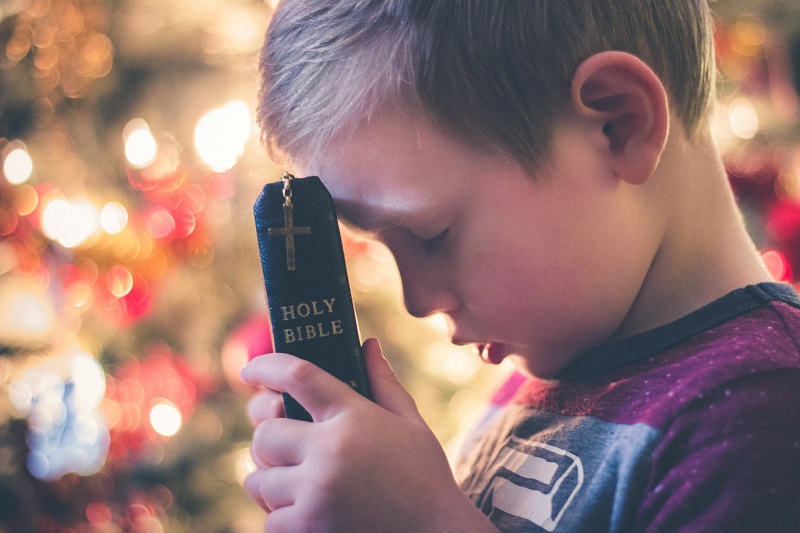
Ezekiel 41 captivates readers with its intricate architectural vision of the temple, symbolizing God’s presence among His people.
The chapter describes the layout, highlighting a sacred space that emphasizes purity and divine order.
As Ezekiel details the measurements and materials, one cannot help but appreciate the meticulous design that reflects the holiness intended for worship.
This emphasis on precision serves as a reminder that our own spiritual lives may benefit from intentionality and care, encouraging reflection on what sacred spaces look like in the modern world.
Moreover, the imagery in Ezekiel 41 connects to the broader theme of restoration and hope that permeates the book.
The temple, with its grandeur, represents not only a physical structure but also a renewed relationship between God and His people.
Each detail can serve as a metaphor for the individual believer’s journey toward spiritual renewal, inviting us to consider how we construct our own spiritual sanctuaries.
This chapter challenges readers to contemplate their lives and the environments they foster, urging us to create spaces that nurture faith and invite divine presence.
✅ Ezekiel 41 Commentary (Key Verses)
Ezekiel 41 continues Ezekiel’s vision by describing the measurements and details of the temple structure.
The chapter emphasizes God’s order, holiness, and careful design for worship and sacred space.
It reminds believers that God is intentional, worthy of reverence, and deeply concerned with how His people approach Him.
The Measurements of the Temple
“He brought me to the nave, and measured the posts, six cubits broad on the one side, and six cubits broad on the other side.” – Ezekiel 41:1 (WEB)
Commentary 1: The detailed measurements reveal God’s precision and intentional planning in His house. Believers are reminded that God works with wisdom and purpose in every detail of life.
Commentary 2: Nothing in God’s design was random or overlooked, reflecting His perfect order. This encourages believers to trust that God is carefully working in situations they may not fully understand.
The Most Holy Place
“He went inward, and measured each post of the entrance, two cubits; and the entrance, six cubits; and the width of the entrance, seven cubits.” – Ezekiel 41:3 (WEB)
Commentary 1: The Most Holy Place represented God’s presence and the sacredness of worship. Believers are reminded that God deserves reverence, honor, and sincere devotion.
Commentary 2: Entering holy space symbolized closeness with God, reminding believers of the privilege of relationship with Him. This encourages deeper spiritual commitment and prayer.
Side Chambers Around the Temple
“The side rooms were wider as they encompassed the temple higher and higher.” – Ezekiel 41:7 (WEB)
Commentary 1: The side chambers reveal thoughtful design and preparation within God’s temple. Believers are reminded that God provides what is needed for faithful service and worship.
Commentary 2: God’s plans include both spiritual meaning and practical provision. This encourages believers to trust God’s wisdom in every area of life.
Decorations of Cherubim and Palm Trees
“It was made with cherubim and palm trees. A palm tree was between cherub and cherub.” – Ezekiel 41:18 (WEB)
Commentary 1: The temple decorations reflected beauty, worship, and reminders of God’s presence. Believers are reminded that worship can reflect joy, reverence, and appreciation for God’s greatness.
Commentary 2: Symbols of life and heavenly beings emphasized God’s glory and holiness. This encourages believers to keep their hearts focused on God’s majesty.
The Wooden Altar
“The altar was of wood, three cubits high, and its length two cubits.” – Ezekiel 41:22 (WEB)
Commentary 1: The altar represented worship, sacrifice, and drawing near to God. Believers are reminded that worship involves dedication and surrender to Him.
Commentary 2: God desires sincere hearts rather than empty rituals. This passage encourages believers to approach God authentically and wholeheartedly.
✅ Ezekiel 41 Lessons & Takeaways
1. God works with purpose
Ezekiel 41 highlights detailed measurements and careful planning throughout the temple. Nothing in God’s design was accidental.
Believers today can trust that God works intentionally in their lives. Even unseen details are under His care.
This truth strengthens patience and faith. God’s plans are always purposeful.
2. God deserves reverence
The Most Holy Place reflected the sacredness of God’s presence. Worship required honor and respect.
Believers today are reminded to approach God sincerely and humbly. Reverence deepens relationship with Him.
This truth inspires worship and devotion. God is worthy of honor.
3. Worship involves preparation
The temple’s structure included spaces for worship and service. Preparation was part of honoring God properly.
Believers today are encouraged to make time for prayer, worship, and spiritual growth. Intentionally seeking God strengthens faith.
This encourages spiritual discipline. Preparation enriches worship.
4. God values beauty and order
The temple decorations reflected God’s creativity and glory. Beauty was part of honoring Him.
Believers today are reminded that God values excellence and intentionality. Living for Him includes honoring Him with care and gratitude.
This truth inspires appreciation. God’s design reflects His greatness.
5. Worship requires sincere hearts
The altar symbolized sacrifice and dedication to God. Worship was meant to come from genuine devotion.
Believers today are encouraged to worship God authentically rather than mechanically. God values sincere faith.
This truth strengthens spiritual connection. True worship honors God deeply.
Ezekiel 41 Summary (Conclusion)
Ezekiel 41 continues Ezekiel’s temple vision by describing measurements, chambers, decorations, and sacred spaces.
The chapter emphasizes God’s order, holiness, and intentional design.
The Most Holy Place highlights the sacredness of God’s presence and worship.
Side chambers and temple structures reveal thoughtful preparation and purpose.
Decorations featuring cherubim and palm trees reflect beauty, life, and reverence toward God.
The wooden altar symbolizes worship, sacrifice, and devotion.
Ezekiel 41 reminds believers that God deserves reverence and wholehearted worship.
It emphasizes intentional living, spiritual preparation, and trust in God’s wisdom.
The chapter encourages believers to honor God with sincere devotion and faithfulness.
Frequently Asked Questions (FAQs) About Ezekiel 41
1. What is Ezekiel 41 about?
Ezekiel 41 describes the measurements, structure, and decorations of the temple in Ezekiel’s vision.
2. Why are the temple measurements important in Ezekiel 41?
They reveal God’s order, intentionality, and careful design for worship.
3. What does the Most Holy Place symbolize?
It symbolizes God’s presence, holiness, and the importance of reverent worship.
4. What do the cherubim and palm trees represent?
They symbolize God’s glory, life, worship, and beauty within His sacred space.
5. What lesson does Ezekiel 41 teach believers today?
It teaches believers to honor God sincerely, trust His plans, and approach worship with reverence.
Other Blog Posts

Grounded in faith and driven by purpose, I’m a Christian blogger and online research specialist with a passion for God’s Word, lifelong learning, and healthy living.