
Picture a world where rituals define community and connect people to the divine — this is the essence of Exodus 30.
This chapter not only outlines sacred practices but also reveals the importance of spiritual preparation and devotion.
In this Exodus 30 summary, we will dissect its critical elements, like the altar of incense and the concept of atonement, providing you with deeper insights into their significance then and now.
Get ready to uncover layers of meaning that may transform your understanding of faith.
Exodus 30 Summary (Explained)
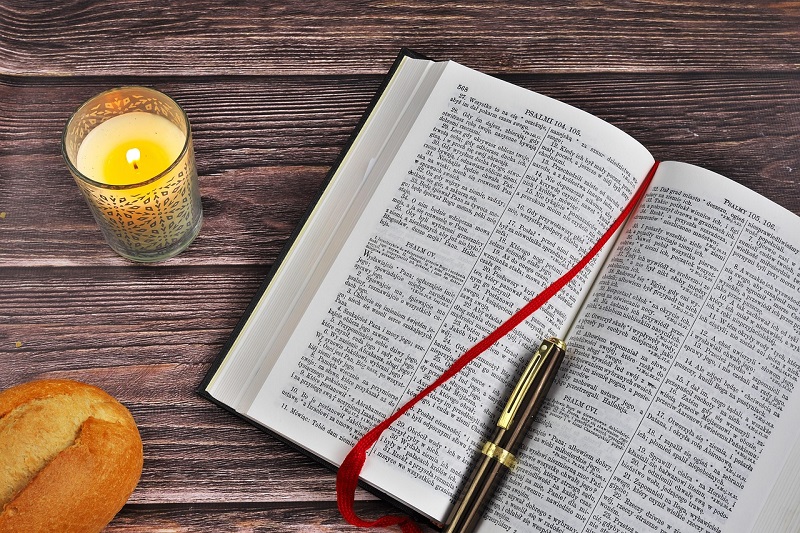
Exodus 30 provides a compelling look into the intricate rituals that defined ancient Israelite worship.
The chapter emphasizes the significance of the altar of incense, illustrating not just its physical importance but also the spiritual symbolism of prayer ascending to God.
The fragrant smoke represents the people’s devotion and connection, reminding us that worship is not merely a formality but an intimate dialogue with the Divine.
Additionally, the chapter addresses the concept of atonement through the half-shekel tax, which underscores a collective responsibility among the Israelites.
This monetary contribution is both a practical means of support for the sanctuary and a deeper expression of the community’s need for redemption.
It invites readers to reflect on their own sacrifices — both material and spiritual — and how these offerings foster a sense of unity and purpose in contemporary faith communities.
In these rituals, one can find a timeless invitation to engage in meaningful practices that bring individuals together in shared devotion.
✅ Exodus 30 Commentary (Key Verses)
Exodus 30 describes instructions for the altar of incense, the census offering, the bronze basin, the holy anointing oil, and the sacred incense.
This chapter highlights prayer, worship, cleansing, holiness, atonement, and dedication to God.
It reminds believers that approaching God requires reverence, purity, and wholehearted devotion to His presence.
The Altar of Incense
“You shall make an altar to burn incense on. You shall make it of acacia wood.” – Exodus 30:1 (WEB)
Commentary 1: The altar of incense symbolized prayer and worship continually rising before God. It was placed near the Most Holy Place, emphasizing closeness to God’s presence.
Commentary 2: Incense represented devotion, reverence, and communion with God. Believers are encouraged to maintain consistent prayer and heartfelt worship before the Lord.
Continual Incense Before God
“Aaron shall burn incense of sweet spices on it every morning.” – Exodus 30:7 (WEB)
Commentary 1: The daily burning of incense showed the importance of continual worship and prayer. Fellowship with God was meant to be ongoing rather than occasional.
Commentary 2: The sweet aroma symbolized worship that pleased God. Believers are reminded that sincere prayers and devotion are precious in God’s sight.
The Annual Atonement Offering
“Aaron shall make atonement on its horns once in the year with the blood of the sin offering of atonement.” – Exodus 30:10 (WEB)
Commentary 1: The altar required atonement because God’s holiness demanded cleansing from sin. This pointed to the seriousness of sin and the need for forgiveness.
Commentary 2: The annual atonement reminded Israel of God’s mercy and provision for reconciliation. Believers are encouraged to value the forgiveness and grace God provides.
The Census Offering
“They shall give every man a ransom for his soul to God, when you count them.” – Exodus 30:12 (WEB)
Commentary 1: The census offering symbolized acknowledgment that the people belonged to God and depended on His mercy. Every life had value before Him.
Commentary 2: Both rich and poor gave equally, showing that all people stood equally before God. Believers are reminded that God values every person without partiality.
The Half-Shekel Offering
“The rich shall not give more, and the poor shall not give less, than the half shekel.” – Exodus 30:15 (WEB)
Commentary 1: God established equality among the people in the offering for atonement. No one could buy greater favor with God through wealth.
Commentary 2: This offering emphasized unity and shared dependence on God’s grace. Believers are reminded that salvation and mercy come from God alone, not human status.
The Bronze Basin for Washing
“You shall also make a basin of bronze, and its base of bronze, in which to wash.” – Exodus 30:18 (WEB)
Commentary 1: The bronze basin was used by the priests for cleansing before ministry and worship. Purity was essential when approaching God’s holy presence.
Commentary 2: Washing symbolized spiritual cleansing and preparation. Believers are reminded to seek purity of heart and repentance before God.
The Priests Were to Wash Before Serving
“They shall wash with water, that they not die.” – Exodus 30:20 (WEB)
Commentary 1: God took holiness seriously, requiring cleansing before ministry in the tabernacle. Worship and service could not be approached carelessly.
Commentary 2: The requirement for washing reflected the need for spiritual purity before God. Believers are encouraged to approach God with humility, sincerity, and reverence.
The Holy Anointing Oil
“You shall make it a holy anointing oil, a perfume compounded after the art of the perfumer.” – Exodus 30:25 (WEB)
Commentary 1: The anointing oil was set apart exclusively for God’s service and worship. It symbolized consecration and dedication to holy purposes.
Commentary 2: God desired His tabernacle, priests, and sacred items to be sanctified for His glory. Believers are reminded to dedicate their lives fully to God.
The Oil Was Holy to God
“It shall be a holy anointing oil to me throughout your generations.” – Exodus 30:31 (WEB)
Commentary 1: The holy oil represented God’s ownership and blessing upon what was consecrated to Him. Holiness involved being set apart for God’s use.
Commentary 2: God warned the people not to misuse what was holy. Believers are reminded to honor sacred things with reverence and respect.
The Sacred Incense Was Unique
“The incense which you shall make, according to its composition you shall not make for yourselves.” – Exodus 30:37 (WEB)
Commentary 1: The sacred incense was reserved solely for worship before God. It was not meant for common or personal use.
Commentary 2: This distinction emphasized God’s holiness and uniqueness. Believers are reminded that worship should remain focused on honoring God sincerely and reverently.
✅ Exodus 30 Lessons & Takeaways
1. Prayer and worship should be continual
The altar of incense symbolized prayers continually rising before God. Worship was meant to be regular and sincere rather than occasional.
Believers today are reminded to maintain consistent prayer and fellowship with God. Daily communion with Him strengthens faith and spiritual growth.
This lesson encourages faithful devotion and worship. God delights in sincere hearts that seek Him continually.
2. God calls His people to holiness
The priests were required to wash and prepare before serving in the tabernacle. Holiness and purity were necessary when approaching God.
Believers today are reminded that God desires purity of heart and sincere repentance. Holiness reflects devotion and respect for God’s presence.
This truth encourages spiritual cleansing and obedience. God calls His people to live lives that honor Him.
3. Every person matters equally before God
The census offering required the same amount from both rich and poor. This showed that all people stood equally before God.
Believers today are reminded that God values every person without favoritism. His love and grace are available to everyone.
This lesson encourages humility and unity. God sees the heart rather than earthly status.
4. God deserves reverence and dedication
The holy oil and sacred incense were set apart exclusively for worship. God instructed the people not to treat holy things casually.
Believers today are reminded to honor God with reverence and wholehearted devotion. Worship should remain focused on Him above all else.
This truth encourages sincere worship and respect for God’s holiness. He alone is worthy of glory and honor.
5. Cleansing is necessary before serving God
The bronze basin emphasized the importance of washing before ministry. Cleansing symbolized spiritual preparation and purity.
Believers today are encouraged to seek God’s forgiveness and renewal regularly. A clean heart strengthens fellowship with God.
This lesson inspires humility and repentance. God graciously cleanses those who come to Him sincerely.
Exodus 30 Summary (Conclusion)
Exodus 30 describes instructions concerning worship, holiness, and service in the tabernacle.
God commanded Moses to build the altar of incense where continual incense would rise before Him.
The chapter also explained the annual atonement for the altar and the census offering required from the Israelites.
Every person gave the same half-shekel offering as a reminder that all belonged equally to God.
God instructed Moses to make a bronze basin for the priests to wash before serving.
The priests were required to cleanse themselves before entering the tabernacle or approaching the altar.
Instructions were also given for the holy anointing oil and the sacred incense reserved only for worship.
Exodus 30 emphasizes prayer, holiness, cleansing, worship, and reverence for God’s presence.
It reminds believers to approach God with sincere devotion, purity, and continual prayer.
Frequently Asked Questions (FAQs) About Exodus 30
1. What is Exodus 30 about?
Exodus 30 gives instructions about the altar of incense, the bronze basin, the census offering, and the holy anointing oil.
2. What did the altar of incense represent?
It symbolized continual prayer and worship rising before God.
3. Why did the priests wash at the bronze basin?
They washed for cleansing and purification before serving in the tabernacle.
4. Why was the sacred incense special?
It was set apart exclusively for worship and could not be used for ordinary purposes.
5. What lesson does Exodus 30 teach today?
It teaches holiness, continual prayer, worship, cleansing, and reverence for God.
Other Blog Posts

Grounded in faith and driven by purpose, I’m a Christian blogger and online research specialist with a passion for God’s Word, lifelong learning, and healthy living.