
Ever wondered how kings navigated the treacherous waters of power and prophecy?
In 2 Chronicles 18, we see a vivid portrayal of politics and spirituality in action.
This summary will delve into the heart of the chapter, highlighting pivotal moments and decisions that shaped the destiny of rulers.
By exploring this narrative, you’ll gain a deeper appreciation for the intertwining of faith and leadership throughout history.
2 Chronicles 18 Summary (Explained)
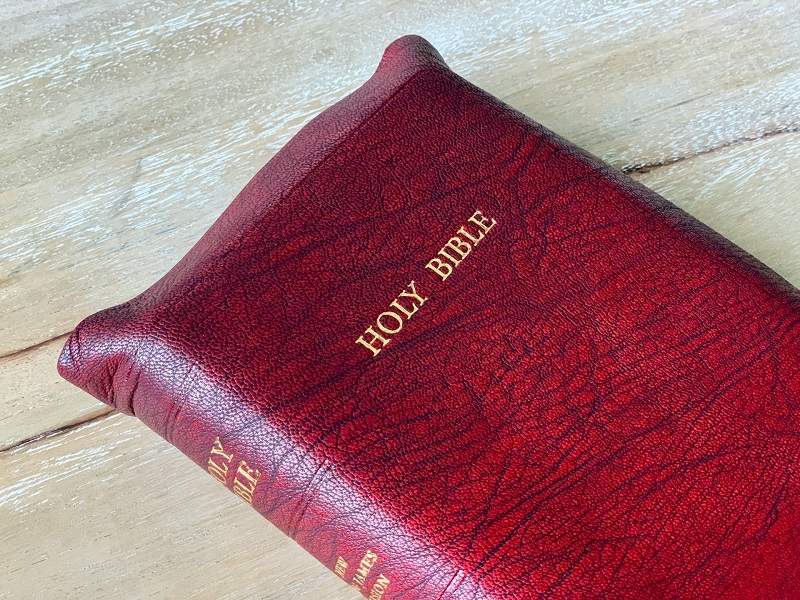
In 2 Chronicles 18, the narrative unfolds around the alliance between King Jehoshaphat of Judah and King Ahab of Israel, showcasing the complexities of their relationship and the spiritual implications of their actions.
The chapter highlights a pivotal moment when Jehoshaphat, eager for peace, aligns himself with Ahab.
However, the contrast between their leadership styles becomes evident as Ahab, driven by ambition, seeks advice solely from prophets who will affirm his desires.
This raises questions about the nature of spiritual counsel and the importance of seeking truth, even when it’s uncomfortable.
As the story progresses, the prophetic voice of Micaiah emerges as a beacon of integrity amid the flattery surrounding Ahab.
His chilling vision of Israel’s defeat in battle serves as a stark reminder of the heavy price of ignoring divine guidance.
Readers are invited to reflect on their own decisions and the voices they choose to heed in times of uncertainty.
Ultimately, this episode in 2 Chronicles 18 challenges us to discern between flattering optimism and harsh truth, urging a deeper commitment to faithfulness and wisdom in our alliances and endeavors.
✅ 2 Chronicles 18 Commentary (Key Verses)
2 Chronicles 18 records King Jehoshaphat’s alliance with King Ahab of Israel and the events that led to Ahab’s death in battle.
The chapter reveals the danger of ungodly partnerships, the importance of listening to God’s true word, and the tragic consequences of rejecting divine warning.
Although many false prophets promised victory, Micaiah faithfully spoke God’s message even when it was unpopular and unwanted.
2 Chronicles 18 reminds believers that truth must be valued above popularity, comfort, or human approval.
Jehoshaphat Allies Himself with Ahab
“Now Jehoshaphat had riches and honor in abundance; and he allied himself with Ahab.” – 2 Chronicles 18:1 (WEB)
Commentary 1: Jehoshaphat was blessed with wealth and honor, yet he allied with Ahab, a wicked king who did not faithfully follow God. This decision placed him in a dangerous spiritual position.
Commentary 2: Believers are reminded that success and blessing do not remove the need for discernment. Partnerships should be guided by God’s wisdom rather than convenience, status, or political advantage.
Ahab Invites Jehoshaphat to War
“Ahab king of Israel said to Jehoshaphat king of Judah, ‘Will you go with me to Ramoth Gilead?’ He answered him, ‘I am as you are, and my people as your people. We will be with you in the war.’” – 2 Chronicles 18:3 (WEB)
Commentary 1: Ahab invited Jehoshaphat to join him in battle against Ramoth Gilead, and Jehoshaphat quickly agreed. His willingness to identify himself with Ahab shows the danger of making commitments before seeking God’s will.
Commentary 2: Important decisions should never be made carelessly. Believers are encouraged to seek God’s guidance before entering commitments that may affect their spiritual life, family, or testimony.
Jehoshaphat Asks for God’s Word
“Jehoshaphat said to the king of Israel, ‘Please inquire first for God’s word.’” – 2 Chronicles 18:4 (WEB)
Commentary 1: Although Jehoshaphat had already agreed to help Ahab, he still recognized the importance of seeking God’s direction. His request showed a desire to hear from the Lord before going into battle.
Commentary 2: Seeking God should come before decisions, not after commitments have already been made. Believers are reminded to place God’s Word first in every matter of life.
False Prophets Promise Victory
“Then the king of Israel gathered the prophets together, four hundred men, and said to them, ‘Shall we go to Ramoth Gilead to battle, or shall I refrain?’ They said, ‘Go up; for God will deliver it into the hand of the king.’” – 2 Chronicles 18:5 (WEB)
Commentary 1: Ahab gathered four hundred prophets who all gave the same favorable message. They promised victory, but their words were shaped by what the king wanted to hear rather than by faithfulness to God’s truth.
Commentary 2: Not every comforting message is from God. Believers must test every teaching by Scripture and seek truth rather than simply accepting words that sound pleasant or convenient.
Jehoshaphat Seeks a True Prophet
“But Jehoshaphat said, ‘Isn’t there here a prophet of God besides, that we may inquire of him?’” – 2 Chronicles 18:6 (WEB)
Commentary 1: Jehoshaphat sensed that something was missing despite the agreement of Ahab’s prophets. He asked whether there was another prophet who could truly speak the word of God.
Commentary 2: Spiritual discernment recognizes when popular voices are not enough. Believers should value faithful truth over majority opinion, especially when decisions carry serious consequences.
Ahab Dislikes Micaiah’s Message
“The king of Israel said to Jehoshaphat, ‘There is yet one man by whom we may inquire of God; but I hate him, for he never prophesies good concerning me, but always evil. He is Micaiah the son of Imla.’” – 2 Chronicles 18:7 (WEB)
Commentary 1: Ahab admitted that Micaiah was a prophet who could speak God’s word, yet he hated him because his messages were not favorable. Ahab preferred flattering words over faithful correction.
Commentary 2: Rejecting truth because it is uncomfortable is spiritually dangerous. Believers are encouraged to receive God’s correction with humility, knowing that His warnings are given for their good.
Micaiah Is Pressured to Agree
“The messenger who went to call Micaiah spoke to him, saying, ‘Behold, the words of the prophets declare good to the king with one mouth. Please let your word therefore be like one of theirs, and speak good.’” – 2 Chronicles 18:12 (WEB)
Commentary 1: Before Micaiah appeared before the kings, he was pressured to conform to the message of the false prophets. The messenger urged him to speak what was favorable rather than what was true.
Commentary 2: Faithfulness to God often requires resisting pressure to compromise. Believers must be willing to speak and follow truth even when others expect them to conform.
Micaiah Commits to Speaking God’s Word
“Micaiah said, ‘As God lives, whatever my God says, that I will speak.’” – 2 Chronicles 18:13 (WEB)
Commentary 1: Micaiah refused to let pressure influence his message. He was determined to speak only what God revealed, regardless of whether the kings accepted it.
Commentary 2: True faithfulness means honoring God’s Word above human approval. Believers are called to stand firmly for truth even when it is unpopular or costly.
Micaiah Warns of Israel’s Defeat
“He said, ‘I saw all Israel scattered on the mountains, as sheep that have no shepherd. God said, “These have no master. Let them return, every man to his house in peace.”’” – 2 Chronicles 18:16 (WEB)
Commentary 1: Micaiah revealed a vision showing Israel scattered without a shepherd, pointing to Ahab’s coming death. The message warned that the battle would not end in the victory promised by the false prophets.
Commentary 2: God’s warnings are acts of mercy. Believers should pay careful attention when God exposes danger, because His truth protects those who are willing to obey.
Ahab Rejects the Warning
“The king of Israel said to Jehoshaphat, ‘Didn’t I tell you that he would not prophesy good concerning me, but evil?’” – 2 Chronicles 18:17 (WEB)
Commentary 1: Ahab responded to Micaiah’s warning with resentment rather than repentance. Instead of considering the message, he focused on his dislike for the prophet.
Commentary 2: A hardened heart often attacks the messenger instead of receiving the message. Believers should respond to God’s truth with humility rather than defensiveness.
Micaiah Reveals the Deception
“Now therefore, behold, God has put a lying spirit in the mouth of these your prophets; and God has spoken evil concerning you.” – 2 Chronicles 18:22 (WEB)
Commentary 1: Micaiah explained that Ahab’s prophets were speaking deception and that judgment had been declared against him. The king had surrounded himself with voices that confirmed his own desires.
Commentary 2: When people continually reject truth, they become vulnerable to deception. Believers are reminded to love truth, submit to God’s Word, and avoid seeking counsel that merely supports their own will.
Micaiah Is Imprisoned
“Then the king of Israel said, ‘Take Micaiah, and carry him back to Amon the governor of the city, and to Joash the king’s son. Say, “The king says, ‘Put this fellow in the prison, and feed him with bread of affliction and with water of affliction, until I return in peace.’”’” – 2 Chronicles 18:25–26 (WEB)
Commentary 1: Ahab punished Micaiah for speaking the truth by sending him to prison. His response showed his refusal to humble himself before God’s warning.
Commentary 2: Speaking truth may bring opposition, but faithfulness to God is never wasted. Believers are encouraged to remain obedient even when truth is rejected by others.
Ahab Tries to Avoid Judgment
“The king of Israel said to Jehoshaphat, ‘I will disguise myself and go into the battle; but you put on your robes.’ So the king of Israel disguised himself, and they went into the battle.” – 2 Chronicles 18:29 (WEB)
Commentary 1: Ahab attempted to avoid the consequences of Micaiah’s prophecy by disguising himself in battle. Yet human schemes cannot escape the judgment or knowledge of God.
Commentary 2: No one can hide from God’s truth. Believers are reminded that humility and repentance are always better than attempting to avoid the consequences of disobedience.
Jehoshaphat Cries Out to God
“It happened, when the captains of the chariots saw Jehoshaphat, that they said, ‘It is the king of Israel!’ Therefore they turned around to fight against him; but Jehoshaphat cried out, and God helped him. God moved them to depart from him.” – 2 Chronicles 18:31 (WEB)
Commentary 1: Jehoshaphat nearly lost his life because of his alliance with Ahab, but when he cried out, God mercifully delivered him from danger. God’s grace protected him despite his unwise decision.
Commentary 2: God is merciful to those who call upon Him. Believers can find hope knowing that even when poor choices place them in danger, sincere prayer can bring divine help and deliverance.
Ahab Dies in Battle
“A certain man drew his bow at random, and struck the king of Israel between the joints of the armor… About sunset, he died.” – 2 Chronicles 18:33–34 (WEB)
Commentary 1: Though Ahab disguised himself, he was struck by an arrow and died just as God’s word through Micaiah had warned. The prophecy was fulfilled despite Ahab’s attempt to escape it.
Commentary 2: God’s Word always comes to pass. Believers are reminded that rejecting God’s truth does not cancel it, and obedience is the only wise response to His warnings.
✅ 2 Chronicles 18 Lessons & Takeaways
1. Godly discernment is essential when choosing relationships
Jehoshaphat was a faithful king in many respects, yet his alliance with Ahab placed him in unnecessary spiritual and physical danger. Although the partnership appeared beneficial from a political standpoint, it ultimately led him into a situation that dishonored God.
Believers today should carefully evaluate their relationships, partnerships, and commitments through the wisdom of God’s Word. Choosing companions who encourage faithfulness to God helps strengthen one’s spiritual walk.
This lesson encourages believers to seek God’s guidance before entering relationships that may influence their obedience to Him.
2. God’s truth is more valuable than popular opinion
Four hundred prophets assured Ahab that victory was certain, yet only Micaiah faithfully delivered God’s true message. The majority supported what the king wanted to hear, while God’s prophet courageously spoke the truth despite opposition.
Believers today are reminded that truth is not determined by popularity. God’s Word remains the final authority, even when it contradicts the opinions of the crowd.
This lesson encourages believers to build their lives upon Scripture rather than following voices that simply affirm personal desires.
3. Faithfulness often requires courage
Micaiah stood alone before two kings and hundreds of false prophets, yet he refused to compromise God’s message. Even the threat of imprisonment did not persuade him to change what God had revealed.
Believers today may also face pressure to remain silent or compromise biblical truth. God honors those who faithfully stand for His Word with humility and courage.
This lesson encourages believers to remain steadfast in speaking and living according to God’s truth regardless of opposition.
4. God’s mercy is available even after poor decisions
Jehoshaphat’s alliance with Ahab nearly cost him his life during the battle. However, when he cried out for help, God graciously rescued him from danger despite the consequences of his earlier mistake.
Believers today can find comfort in knowing that God hears sincere prayers for help. Although poor decisions often carry consequences, God’s mercy remains available to those who turn to Him with humble hearts.
This lesson encourages believers to trust God’s grace while learning from past mistakes and pursuing wiser decisions in the future.
5. God’s Word will always be fulfilled
Ahab attempted to escape God’s judgment by disguising himself during the battle, but God’s prophecy through Micaiah was fulfilled exactly as foretold. No human plan could prevent God’s purposes from coming to pass.
Believers today can confidently trust every promise and warning found in Scripture. God’s truth never fails, and obedience to His Word always remains the wisest path.
This lesson encourages believers to submit to God’s authority, knowing that His Word is completely trustworthy.
2 Chronicles 18 Summary (Conclusion)
2 Chronicles 18 records King Jehoshaphat’s alliance with King Ahab of Israel and the events that resulted in Ahab’s death during the battle of Ramoth Gilead.
Although Jehoshaphat initially agreed to join the campaign, he wisely requested that they first seek God’s guidance.
Ahab gathered four hundred prophets who unanimously predicted victory, but Jehoshaphat requested to hear from a true prophet of God.
Micaiah faithfully declared God’s message, warning that Israel would be scattered and that Ahab would die if the battle proceeded.
Rather than humbling himself before God’s warning, Ahab rejected the prophecy, imprisoned Micaiah, and attempted to avoid judgment by disguising himself during the battle.
Jehoshaphat was mistaken for the king of Israel and found himself in great danger, but God mercifully delivered him when he cried out for help.
Despite Ahab’s efforts to escape the prophecy, he was struck by a random arrow and died exactly as Micaiah had foretold.
The chapter demonstrates that God’s Word cannot be ignored or prevented from being fulfilled, regardless of human plans or deception.
2 Chronicles 18 reminds believers to value God’s truth above popular opinion, exercise wisdom in their relationships, and trust that God’s Word will always prove true.
It encourages every generation to seek God’s guidance before making important decisions and to remain faithful to His truth even when it is unpopular.
Frequently Asked Questions (FAQs) About 2 Chronicles 18
1. What is 2 Chronicles 18 about?
2 Chronicles 18 records King Jehoshaphat’s alliance with King Ahab, the prophecy of Micaiah concerning the coming battle, and Ahab’s death at Ramoth Gilead.
2. Why did Jehoshaphat ask to inquire of God first?
Jehoshaphat wanted to seek God’s direction before going into battle, recognizing that divine guidance was more important than human plans or military strength.
3. Why did Ahab dislike Micaiah?
Ahab disliked Micaiah because the prophet faithfully delivered God’s messages, which often exposed the king’s sin and warned of coming judgment rather than offering flattering predictions.
4. What is the main lesson of 2 Chronicles 18?
2 Chronicles 18 teaches that believers should seek God’s guidance, reject false counsel, remain faithful to His truth, and understand that God’s Word will always be fulfilled.
5. How did Ahab die in 2 Chronicles 18?
Although Ahab disguised himself in battle to avoid the prophecy, he was struck by an arrow that pierced his armor, and he later died exactly as God’s prophet Micaiah had foretold.
Other Blog Posts

Grounded in faith and driven by purpose, I’m a Christian blogger and online research specialist with a passion for God’s Word, lifelong learning, and healthy living.