
Have you ever wondered what it’s like to choose between tradition and transformation?
In 1 Samuel 8, the Israelites grapple with this pivotal moment as they demand a king, risking their unique identity as God’s chosen people.
This article offers a concise summary of 1 Samuel 8, exploring the implications of their choice and what it reveals about leadership and divine authority.
By diving into this chapter, you’ll gain insights into the timeless struggle between human desires and spiritual guidance that still resonates today.
1 Samuel 8 Summary (Explained)
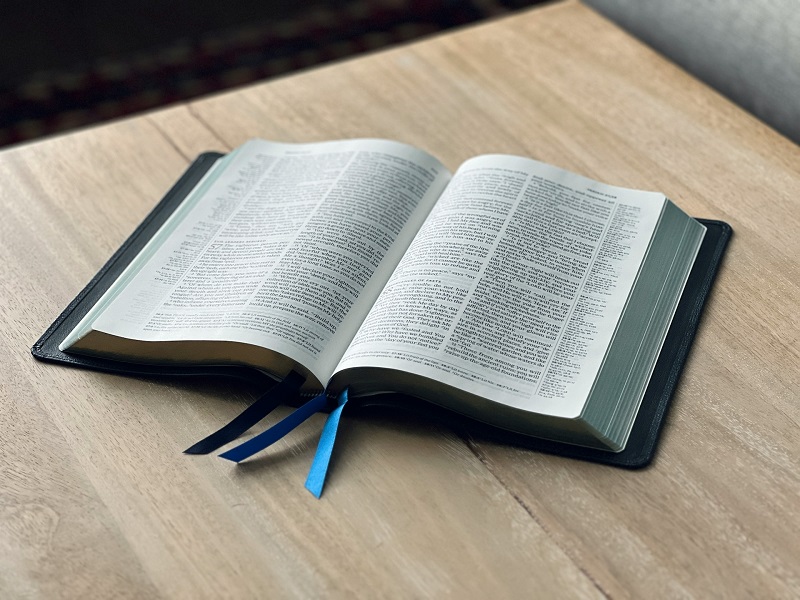
In 1 Samuel 8, we witness the pivotal moment when Israel’s demand for a king reflects a deep-seated desire for societal conformity over divine guidance.
The elders approach Samuel, expressing discontent with his leadership and yearning for a king to lead them like other nations.
This demand, rooted not in a genuine need for governance but rather in a longing for cultural identity, highlights a fundamental struggle between faith and the lure of worldly systems.
Samuel’s response, filled with both frustration and divine wisdom, reveals God’s perspective: Israel’s desire for monarchy is not merely a rejection of Samuel but an outright dismissal of God’s kingship.
As God instructs Samuel to grant the people their request, He provides a sobering warning about the consequences of earthly kingship — tyranny, taxes, and loss of freedom.
This foreshadowing serves as a poignant reminder of the potential pitfalls of placing human authority above divine will.
Readers can glean from this narrative a critical reflection on their own choices: are they seeking earthly validation and leadership, or are they anchored in spiritual principles?
The events in 1 Samuel 8 serve as a cautionary tale, inviting us to consider the balance between following societal norms and adhering to a higher calling.
✅ 1 Samuel 8 Commentary (Key Verses)
1 Samuel 8 records Israel’s request for a king and God’s response through the prophet Samuel.
This chapter highlights the dangers of rejecting God’s leadership, the influence of worldly thinking, and the consequences of demanding our own way instead of trusting God.
It reveals how Israel desired to be like the surrounding nations rather than remaining distinct as God’s people.
1 Samuel 8 reminds believers that God desires to be trusted as King and that human solutions can never replace dependence upon Him.
Samuel’s Sons Do Not Follow His Ways
“His sons didn’t walk in his ways, but turned away after dishonest gain, and took bribes, and perverted justice.” – 1 Samuel 8:3 (WEB)
Commentary 1: Samuel’s sons failed to uphold the integrity and righteousness that characterized their father’s leadership. Their corruption became one of the reasons the people sought a different form of government.
Commentary 2: Spiritual heritage alone does not guarantee faithful living. Believers are reminded that each person must choose to walk in obedience and integrity before God.
The Elders Request a King
“Now make us a king to judge us like all the nations.” – 1 Samuel 8:5 (WEB)
Commentary 1: Israel wanted a king so they could resemble the surrounding nations. Their request reflected dissatisfaction with God’s unique design for them as His covenant people.
Commentary 2: The desire to fit in with the world can lead believers away from God’s best. God calls His people to trust His wisdom rather than imitate every cultural trend.
The Request Displeases Samuel
“The thing displeased Samuel, when they said, ‘Give us a king to judge us.’ Samuel prayed to God.” – 1 Samuel 8:6 (WEB)
Commentary 1: Samuel was grieved by the people’s request because he understood its deeper spiritual significance. Instead of reacting impulsively, he brought the matter before God in prayer.
Commentary 2: Prayer is the right response when facing disappointment or confusion. Believers are encouraged to seek God’s perspective before making major decisions.
God Explains Israel’s Rejection
“Listen to the voice of the people in all that they tell you; for they have not rejected you, but they have rejected me, that I should not be king over them.” – 1 Samuel 8:7 (WEB)
Commentary 1: God revealed that Israel’s request was ultimately a rejection of His leadership. The issue was not merely political but deeply spiritual.
Commentary 2: People often look for visible solutions while overlooking God’s faithful care. Believers are reminded to place their confidence in God above human systems and leaders.
Israel’s Pattern of Unfaithfulness
“According to all the works which they have done since the day that I brought them up out of Egypt even to this day, in that they have forsaken me and served other gods.” – 1 Samuel 8:8 (WEB)
Commentary 1: God reminded Samuel that Israel’s behavior followed a long pattern of spiritual unfaithfulness. Their desire for a king reflected the same tendency to drift away from trust in God.
Commentary 2: Spiritual compromise often develops gradually over time. Believers are encouraged to remain vigilant and continually renew their commitment to God.
Samuel Warns the People
“Now therefore listen to their voice. However you shall protest solemnly to them, and shall show them the way of the king who shall reign over them.” – 1 Samuel 8:9 (WEB)
Commentary 1: God instructed Samuel to grant the people’s request but first warn them about its consequences. God allowed them to choose while ensuring they understood the cost.
Commentary 2: God often allows people to make choices while clearly revealing the outcomes. Believers are reminded to carefully consider God’s warnings and instructions.
The King Will Take Their Sons
“He will take your sons, and appoint them to him, for his chariots, and to be his horsemen; and they will run before his chariots.” – 1 Samuel 8:11 (WEB)
Commentary 1: Samuel warned that a human king would require military service and place demands upon the people. Leadership would bring obligations they had not fully considered.
Commentary 2: Human solutions often carry hidden costs. Believers are encouraged to evaluate decisions carefully rather than focusing only on perceived benefits.
The King Will Take Their Resources
“He will take the tenth of your seed, and of your vineyards, and give to his officers, and to his servants.” – 1 Samuel 8:15 (WEB)
Commentary 1: Samuel explained that a king would impose taxes and claim resources for his administration. The people’s desire for a king would affect many areas of life.
Commentary 2: Earthly leaders and systems are imperfect and limited. Believers are reminded not to place ultimate hope in human institutions.
The King Will Take Their Servants
“He will take your male servants, your female servants, your best young men, and your donkeys, and put them to his work.” – 1 Samuel 8:16 (WEB)
Commentary 1: Samuel continued describing the burdens that monarchy would bring. The king would possess authority that affected the freedom and resources of the people.
Commentary 2: People often desire change without fully understanding its consequences. Believers are encouraged to seek God’s wisdom before pursuing major changes.
The People Will Cry Out
“You shall cry out in that day because of your king whom you shall have chosen for yourselves; and God will not answer you in that day.” – 1 Samuel 8:18 (WEB)
Commentary 1: Samuel warned that the burdens of monarchy would eventually lead to regret. Yet the people remained determined to pursue their request.
Commentary 2: Ignoring God’s counsel can lead to unnecessary hardship. Believers are reminded that God’s instructions are given for their protection and blessing.
The People Refuse to Listen
“Nevertheless the people refused to listen to Samuel’s voice; and they said, ‘No; but we will have a king over us.’” – 1 Samuel 8:19 (WEB)
Commentary 1: Despite receiving clear warnings, the people insisted on having a king. Their desire outweighed their willingness to heed God’s counsel.
Commentary 2: Stubbornness can prevent people from recognizing God’s wisdom. Believers are encouraged to maintain teachable hearts that respond to God’s guidance.
Israel Wants to Be Like Other Nations
“That we also may be like all the nations; and that our king may judge us, and go out before us, and fight our battles.” – 1 Samuel 8:20 (WEB)
Commentary 1: Israel’s motivation became clear—they wanted to be like everyone else. They looked to a human king for security instead of relying upon God.
Commentary 2: God calls His people to be distinct rather than conforming to worldly standards. Believers are reminded to find their identity in God rather than popular culture.
Samuel Brings the Matter to God
“Samuel heard all the words of the people, and he rehearsed them in the ears of God.” – 1 Samuel 8:21 (WEB)
Commentary 1: Once again, Samuel responded by bringing the matter before God. His dependence upon God remained evident throughout the situation.
Commentary 2: Prayer should remain central when facing difficult decisions and disappointing circumstances. Believers are encouraged to seek God continually.
God Allows Their Request
“God said to Samuel, ‘Listen to their voice, and make them a king.’” – 1 Samuel 8:22 (WEB)
Commentary 1: God permitted Israel to have a king, even though their motives were flawed. His sovereignty remained intact despite their choices.
Commentary 2: Sometimes God allows people to experience the consequences of their decisions. Believers are reminded to seek God’s will rather than insisting on their own desires.
✅ 1 Samuel 8 Lessons & Takeaways
1. God desires to be trusted as King
Israel’s request for a king reflected a deeper issue of trust. They looked to human leadership for security rather than relying on God’s faithful care.
Believers today are reminded that it is easy to place confidence in people, systems, or resources instead of God. True security comes from trusting His wisdom and sovereignty.
When God leads, His guidance is always perfect and sufficient. Dependence upon Him provides peace even during uncertain times.
This lesson encourages believers to trust God above all earthly solutions.
2. The desire to fit in can be dangerous
Israel wanted to be like the surrounding nations rather than embracing their unique calling from God.
Believers today face similar pressures to conform to cultural expectations. Following the crowd can sometimes lead away from God’s best plan.
God calls His people to live differently and reflect His values. Distinctive obedience often becomes a powerful testimony to others.
This lesson encourages believers to remain faithful to God’s calling.
3. God’s warnings are acts of love
Before granting Israel’s request, God made sure they understood the consequences through Samuel’s warning.
Believers today are reminded that God’s commands and warnings are intended to protect and guide them. His wisdom sees dangers that may not be immediately obvious.
Ignoring God’s counsel often leads to avoidable difficulties. Listening to His voice brings blessing and direction.
This lesson encourages believers to take God’s warnings seriously.
4. Prayer is the proper response to disappointment
When Samuel was troubled by the people’s request, he brought the matter before God.
Believers today are reminded that prayer provides perspective during confusing and painful situations. God invites His people to bring every concern to Him.
Prayer strengthens faith and helps align the heart with God’s purposes. It allows believers to respond wisely rather than emotionally.
This lesson encourages believers to seek God first in every challenge.
5. God remains sovereign even when people choose poorly
Although Israel’s motives were flawed, God continued to work through the situation and accomplish His purposes.
Believers today can take comfort in knowing that God’s plans are not defeated by human mistakes. His sovereignty allows Him to bring good even from imperfect circumstances.
This truth provides hope when life does not unfold as expected. God remains faithful and in control.
This lesson inspires believers to trust God’s wisdom and sovereignty.
1 Samuel 8 Summary (Conclusion)
1 Samuel 8 records Israel’s request for a king and Samuel’s response to that request.
As Samuel grew older, his sons failed to lead with integrity, causing concern among the people.
The elders approached Samuel and asked for a king so they could be like the surrounding nations.
Samuel was troubled by the request and brought the matter before God in prayer.
God explained that the people were rejecting His leadership rather than Samuel’s.
Samuel then warned Israel about the burdens and consequences that would come with a human king.
Despite these warnings, the people insisted on having a king to lead them and fight their battles.
God instructed Samuel to grant their request and prepare the nation for a monarchy.
The chapter marks a significant turning point in Israel’s history.
1 Samuel 8 emphasizes trust, obedience, prayer, contentment, and God’s sovereign leadership.
It reminds believers that true security is found in God rather than human solutions.
Frequently Asked Questions (FAQs) About 1 Samuel 8
1. What is 1 Samuel 8 about?
1 Samuel 8 describes Israel’s request for a king and God’s response through the prophet Samuel.
2. Why did Israel want a king?
They wanted to be like the surrounding nations and desired a visible leader to govern and defend them.
3. Why was Samuel upset by the request?
Samuel understood that the request reflected a rejection of God’s leadership over the nation.
4. What warning did Samuel give the people?
He warned that a king would take their sons, resources, servants, and freedoms while placing burdens upon the nation.
5. What lesson does 1 Samuel 8 teach today?
It teaches believers to trust God’s leadership, heed His warnings, resist worldly conformity, and seek His guidance through prayer.
Other Blog Posts

Grounded in faith and driven by purpose, I’m a Christian blogger and online research specialist with a passion for God’s Word, lifelong learning, and healthy living.