
Did you know that amidst the chaos of Israel’s early history, a unique leader emerged with a simple vow to God?
The story told in Judges 17 reveals deep complexities of faith, identity, and the societal struggles of ancient Israel.
In this Judges 17 summary, we’ll explore how one man’s choices set off a chain reaction that highlights the moral ambiguities of his time and sheds light on themes that resonate even today.
By the end, you’ll gain a deeper understanding of this pivotal chapter and its implications for contemporary issues.
Judges 17 Summary (Explained)
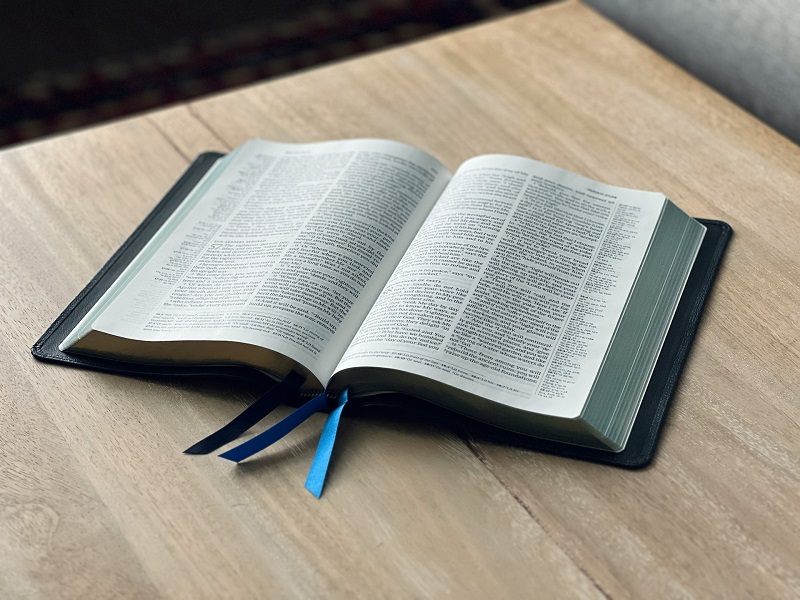
Judges 17 presents a compelling narrative that delves into the multifaceted themes of personal faith and societal morality.
At the center of this chapter lies Micah, a man who creates his own shrine, embodying a profound departure from traditional worship.
This personal sanctuary, complete with a carved idol and a hired priest, highlights a crucial point: the blurring of individual spirituality with communal faith can lead to moral ambiguity.
It raises the question of what authentic worship truly entails.
Furthermore, the chapter underscores the Israelites’ existential struggle during a time when “everyone did what was right in his own eyes.”
This phrase highlights the chaos of a society devoid of unified direction or leadership.
Micah’s story invites readers to reflect on contemporary issues of belief and belonging, challenging us to consider how personal convictions may sometimes clash with collective values.
As the narrative unfolds, it reveals that the quest for meaning can easily become misguided when divorced from a larger ethical framework — a cautionary tale that resonates even today.
✅ Judges 17 Commentary (Key Verses)
Judges 17 introduces the final section of the Book of Judges by describing Micah’s idolatry and the spiritual confusion that existed throughout Israel.
The chapter reveals how personal religion, false worship, and disregard for God’s commands became common during a time when everyone followed their own desires.
Although Micah believed he was honoring God, his actions violated God’s instructions by combining the worship of the Lord with idols and unauthorized priesthood.
Judges 17 reminds believers that sincere intentions are never a substitute for faithful obedience to God’s Word.
Micah Returns the Stolen Silver
“He said to his mother, ‘The eleven hundred pieces of silver that were taken from you… behold, the silver is with me. I took it.’” – Judges 17:2 (WEB)
Commentary 1: Micah confessed that he had stolen silver from his mother after hearing her pronounce a curse upon the thief. His confession led to the return of the stolen money, but it did not result in genuine spiritual reform.
Commentary 2: True repentance involves more than correcting one wrong action. Believers are reminded that God desires transformed hearts that seek complete obedience to His truth.
Micah’s Mother Makes an Idol
“His mother took two hundred pieces of silver, and gave them to the founder, who made of it an engraved image and a molten image.” – Judges 17:4 (WEB)
Commentary 1: Although Micah’s mother claimed to dedicate the silver to the Lord, she used part of it to create carved and cast images. This reflected the spiritual confusion that had spread throughout Israel.
Commentary 2: Worship that mixes God’s truth with human inventions leads people away from genuine faith. Believers are called to worship God according to His revealed Word.
Micah Establishes a Shrine
“The man Micah had a house of gods, and he made an ephod, and teraphim, and consecrated one of his sons, who became his priest.” – Judges 17:5 (WEB)
Commentary 1: Micah created his own place of worship, complete with idols, sacred objects, and a priest chosen from his own family. His actions ignored God’s instructions concerning worship and the priesthood.
Commentary 2: Genuine worship must be founded upon God’s authority rather than personal preferences. Believers are reminded that obedience is more important than creating religion according to human ideas.
A Levite Arrives in Ephraim
“There was a young man out of Bethlehem Judah… who was a Levite; and he stayed there.” – Judges 17:7 (WEB)
Commentary 1: A young Levite traveling in search of a place to live arrived at Micah’s home. His appearance provided Micah with what seemed to be an opportunity to make his personal shrine appear more legitimate.
Commentary 2: Outward appearances do not guarantee spiritual truth. Believers are encouraged to evaluate every teaching and practice according to Scripture rather than external credentials.
Micah Hires the Levite
“Stay with me, and be to me a father and a priest, and I will give you ten pieces of silver by the year, a suit of clothing, and your food.” – Judges 17:10 (WEB)
Commentary 1: Micah offered the Levite a position as his personal priest, providing financial support and provisions in return for his religious service. The Levite accepted the arrangement despite its inconsistency with God’s commands.
Commentary 2: Spiritual service should never be driven primarily by personal benefit or convenience. Believers are reminded that faithfulness to God must come before material reward.
The Levite Accepts the Position
“The Levite was content to dwell with the man; and the young man was to him as one of his sons.” – Judges 17:11 (WEB)
Commentary 1: The Levite settled into Micah’s household and became closely connected with the family. His willingness to participate in false worship demonstrated the widespread spiritual decline of the period.
Commentary 2: Those who lead others spiritually carry great responsibility. Believers are encouraged to remain faithful to God’s truth regardless of personal opportunities or pressures.
Micah Believes God Will Bless Him
“Then Micah said, ‘Now I know that the Lord will do good to me, since I have a Levite as my priest.’” – Judges 17:13 (WEB)
Commentary 1: Micah assumed that having a Levite serve as his priest guaranteed God’s favor. However, his confidence rested on human reasoning instead of obedience to God’s revealed will.
Commentary 2: Religious activity alone does not ensure God’s blessing. Believers are reminded that true faith is demonstrated through humble obedience to His Word.
✅ Judges 17 Lessons & Takeaways
1. Sincerity does not replace obedience
Micah appeared sincere in his desire to worship God, yet he ignored God’s clear instructions by establishing idols and creating his own religious system.
Believers today are reminded that genuine worship must be based upon God’s truth rather than personal preference or tradition. Obedience always honors God more than human sincerity alone.
This lesson encourages believers to build their faith upon Scripture.
2. Idolatry leads people away from God
Micah’s household became centered around carved images, household gods, and unauthorized worship. His actions reflected the spiritual confusion that existed throughout Israel.
Believers today should guard against allowing anything to replace God as the highest priority in their lives. Only He deserves complete worship and devotion.
This lesson encourages believers to reject every form of idolatry.
3. Spiritual leaders must remain faithful to God’s Word
The Levite accepted a position that contradicted God’s instructions concerning worship and the priesthood. His compromise contributed to the spread of false religion.
Believers today are reminded that those who teach or lead others must faithfully uphold Scripture rather than pursuing personal advantage.
This lesson encourages believers to value biblical truth above popularity or convenience.
4. Human religion cannot produce God’s blessing
Micah believed that employing a Levite guaranteed God’s favor, yet his entire system of worship violated God’s commands.
Believers today should avoid trusting in religious rituals, traditions, or appearances apart from genuine obedience to God. True blessing comes through faithful submission to Him.
This lesson encourages believers to pursue authentic faith rather than outward religion.
5. Every generation must worship God according to His truth
Judges 17 demonstrates how quickly people drift from God’s standards when they rely upon personal opinions instead of His revealed Word.
Believers today are called to continually examine their beliefs and practices in light of Scripture. God’s truth remains the foundation for genuine worship.
This lesson encourages believers to remain devoted to God’s Word in every area of life.
Judges 17 Summary (Conclusion)
Judges 17 introduces the final section of the Book of Judges by revealing the widespread spiritual confusion that existed throughout Israel.
Micah confessed to stealing silver from his mother and returned it after hearing her curse the thief.
His mother then used part of the silver to create carved and cast images that were placed in Micah’s household shrine.
Micah established his own religious center by making sacred objects and appointing one of his sons as priest.
Later, a traveling Levite arrived, and Micah hired him to serve as his personal priest in exchange for wages and provisions.
Although Micah believed this arrangement would bring God’s blessing, his worship violated God’s commands concerning idolatry and the priesthood.
The chapter illustrates how personal religion and spiritual compromise replaced faithful obedience during the period of the Judges.
It prepares the way for the events of Judges 18, where Micah’s idols and priest are taken by the tribe of Dan.
Judges 17 reminds believers that true worship is founded upon obedience to God’s Word rather than human ideas or religious appearances.
It encourages every generation to reject idolatry, remain faithful to Scripture, and worship God according to His truth.
Frequently Asked Questions (FAQs) About Judges 17
1. What is Judges 17 about?
Judges 17 tells the story of Micah’s household shrine, his carved idols, and the Levite he hired as a personal priest, revealing Israel’s growing spiritual compromise.
2. Why did Micah make idols?
Although Micah intended to honor God, he ignored God’s commands by creating carved images and establishing a form of worship based on human ideas rather than Scripture.
3. Why did the Levite become Micah’s priest?
The Levite accepted Micah’s offer of financial support and became his personal priest, even though the arrangement violated God’s instructions concerning worship.
4. What is the main lesson of Judges 17?
Judges 17 teaches that sincere intentions cannot replace faithful obedience, and that true worship must always follow God’s revealed Word.
5. How does Judges 17 connect to Judges 18?
Judges 17 introduces Micah’s idols and priest, which become central to the events of Judges 18 when the tribe of Dan steals them and establishes idolatrous worship.
Other Blog Posts

Grounded in faith and driven by purpose, I’m a Christian blogger and online research specialist with a passion for God’s Word, lifelong learning, and healthy living.