
Imagine a world governed by light and darkness, as described in Genesis 1:17 — what does that really mean for us today?
This verse, often taken at face value, reveals crucial insights into the balance of forces that shape our existence.
By diving into the meaning of Genesis 1:17, you will gain a clearer perspective on its implications for both spiritual growth and everyday choices.
Let’s explore how this ancient text continues to illuminate our modern lives.
Genesis 1:17 Meaning (What This Bible Verse Really Means)
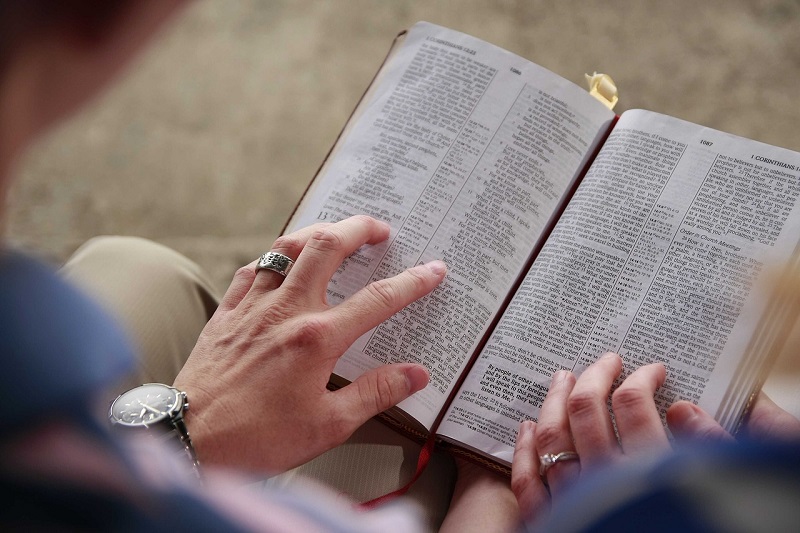
“God set them in the expanse of the sky to give light to the earth,” – Genesis 1:17 (WEB)
Genesis 1:17 describes God placing the sun, moon, and stars in the expanse of the sky so that they would provide light for the earth.
The verse is part of the fourth day of the creation account, when God establishes the heavenly lights and assigns them their purposes.
The central meaning of Genesis 1:17 is that the heavenly bodies occupy their place and perform their functions because God appointed them to do so.
They are presented not as independent powers but as parts of the created order under God’s authority.
The word “them” points back to the heavenly lights described in the preceding verses.
Genesis 1:16 identifies “the two great lights”—the greater light associated with the day and the lesser light associated with the night—and also mentions the stars.
Genesis 1:17 then explains where God placed these lights and one of the purposes for which they were made.
The phrase “God set them” emphasizes God’s deliberate action. The arrangement of the heavens in the creation narrative is not portrayed as accidental or self-directed. God speaks, creates, appoints, and orders.
The verse also says that God placed the lights “in the expanse of the sky.”
Within the language of Genesis 1, this describes their appointed place above the earth, where they carry out the functions God gives them.
One of those functions is “to give light to the earth.” Light had already appeared on the first day of creation, but on the fourth day God appoints the heavenly lights to serve within the ordered pattern of day, night, seasons, days, and years.
Genesis 1:17 therefore contributes to a larger biblical picture of creation as purposeful and ordered under God’s rule. The sun, moon, and stars serve the purposes assigned to them by their Creator.
✅ Genesis 1:17 Context (Understanding the Verse in Its Setting)
Genesis 1:17 appears within the opening chapter of Genesis, which describes God’s creation of the heavens and the earth.
The chapter unfolds through a structured sequence of creation days in which God brings order, fills the world with life, and repeatedly declares His work good.
Genesis 1:14-19 describes the fourth day of creation. God commands that lights appear in the expanse of the sky to separate day from night.
These lights are also appointed to mark signs, seasons, days, and years and to give light upon the earth.
Genesis 1:16 then says that God made “the two great lights”: the greater light to rule the day and the lesser light to rule the night. The verse adds simply, “He also made the stars.”
That immediate context is essential for understanding Genesis 1:17. When the verse says, “God set them,” the pronoun refers to the lights that have just been described.
Genesis 1:17 is therefore part of a continuous description of God creating and assigning functions to the heavenly bodies.
The following verse expands on those functions. Genesis 1:18 explains that the lights were appointed to rule over the day and night and to divide light from darkness.
God then sees that His work is good, and Genesis 1:19 closes the fourth day.
This passage also fits a broader pattern running throughout Genesis 1. God does not merely bring things into existence; He gives them places, distinctions, and purposes.
Light is distinguished from darkness, waters are separated, dry land appears, vegetation grows, and the heavenly lights are appointed to govern the rhythms of time.
Reading Genesis 1:17 in this context prevents the verse from being treated as an isolated statement about astronomy.
Its primary purpose within the narrative is theological: it identifies God as the Creator who establishes and orders the heavenly lights for the benefit and functioning of the created world.
Genesis traditionally stands as the first book of Moses and the first book of the Bible.
Its opening chapter establishes foundational truths that shape everything that follows, beginning with the declaration that God created the heavens and the earth.
Genesis 1:17 contributes to that opening message by showing that even the impressive lights of the heavens belong to the created order.
They are not presented as gods or rival powers. They exist within a world made and ordered by God.
✅ Genesis 1:17 Explained (Breaking Down Each Part of the Verse)
“God set them”
The subject of the statement is God. Genesis 1 consistently places Him at the center of creation: God speaks, makes, separates, names, blesses, and assigns purposes.
The word “them” refers to the heavenly lights described immediately beforehand. Genesis 1:16 speaks of the greater light, the lesser light, and the stars. Genesis 1:17 continues that thought by explaining that God set these lights in their appointed place.
“Set” communicates purposeful placement within the narrative. The heavenly bodies are not described as determining their own roles. God is the one who assigns their place and function.
This short phrase therefore reinforces one of the chapter’s central themes: creation exists according to God’s purposeful ordering.
“in the expanse of the sky”
The “expanse” was introduced earlier in Genesis 1. On the second day, God made the expanse and called it “sky.”
Genesis 1:17 identifies this expanse of the sky as the location in which God set the heavenly lights. The statement connects the work of the fourth day with the ordered environment already established earlier in the creation account.
The emphasis is not merely on where the lights are seen but on their assigned place within God’s created world. The narrative presents the sky, the earth, the seas, the vegetation, the heavenly lights, and eventually living creatures as parts of an ordered whole.
“to give light to the earth”
This phrase states one of the purposes of the heavenly lights. They are positioned to illuminate the earth.
The preceding verses provide additional functions. The lights separate day from night, mark seasons, days, and years, and serve as lights upon the earth. Genesis 1:18 adds that they rule over the day and night and divide light from darkness.
Genesis 1:17 therefore should not be separated from these surrounding statements. Giving light to the earth is part of a larger set of functions assigned to the heavenly bodies.
The phrase also highlights the purposeful relationship between different parts of creation. The lights in the heavens have a function connected to life and order on the earth below. Within Genesis 1, creation is not presented as a collection of unrelated things but as an ordered world in which God’s works have appointed roles.
✅ Genesis 1:17 Lessons (What We Can Learn From This Verse)
1. God is the Creator and ruler of the heavenly bodies
Genesis 1:17 keeps attention on God rather than on the lights themselves. He is the one who sets them in the sky and gives them their function.
This distinction matters because the sun, moon, and stars can appear extraordinarily powerful from a human perspective. Yet Genesis places them firmly within creation. However magnificent they may be, they are not presented as divine beings.
For Christians, this provides a reason for worshiping the Creator rather than the creation. The beauty and grandeur of the heavens can direct our attention beyond themselves to the God who made them.
2. God’s creation displays order and purpose
The heavenly lights have assigned functions. They give light, distinguish day from night, and participate in marking seasons, days, and years.
This reflects the broader pattern of Genesis 1, where God repeatedly brings distinction and order to the created world. Creation is described as purposeful rather than chaotic.
Recognizing this can deepen our appreciation for the ordinary rhythms that structure human life. Day and night, passing seasons, and the regular movement of time are familiar experiences, yet Genesis places these rhythms within God’s ordered creation.
3. Created things should never take the place of the Creator
Genesis 1:17 presents the heavenly lights as objects God has made and positioned. Their greatness does not make them equal to God.
That principle reaches beyond the sun, moon, and stars. Anything created—nature, possessions, achievements, institutions, or people—can be valued appropriately without being given the devotion that belongs to God.
The verse encourages a properly ordered view of creation: appreciate what God has made while recognizing that the Creator remains above His creation.
4. God’s provision can be seen in the functions He gives creation
The lights are appointed “to give light to the earth.” Their purpose is connected to the functioning of the world God is preparing for living creatures and, later in the chapter, humanity.
The surrounding passage also connects the heavenly lights with the measurement of seasons, days, and years. These functions become part of the regular rhythms by which life on earth is ordered.
This provides a simple reason for gratitude. Things we encounter every day—daylight, nighttime, seasons, and the passing of days—can remind us that the world described in Genesis is a world ordered and sustained according to God’s purposes.
5. The heavens point beyond themselves to God’s greatness
Genesis 1:17 is a brief statement, but the objects it describes are immense and awe-inspiring. Scripture consistently treats the heavens as God’s workmanship rather than as rivals to Him.
For believers, looking at the sky can therefore become an occasion for humility and worship. The grandeur of the heavens does not diminish God’s greatness; it helps display the magnitude of His creative work.
The appropriate response is not to worship creation but to recognize the greatness of the One who created it.
Genesis 1:17 Meaning (Conclusion)
The Genesis 1:17 meaning becomes clear when the verse is read within the fourth day of the creation account.
God set the heavenly lights in the expanse of the sky so that they would give light to the earth and fulfill the other purposes described in the surrounding verses.
The statement reinforces a major theme of Genesis 1: God is both Creator and sovereign ruler over creation.
The sun, moon, and stars have their place and purpose because God appoints them.
Genesis 1:17 also helps us see the order and purpose woven throughout the creation narrative.
The heavenly lights serve the earth, distinguish periods of time, and participate in the regular rhythms of the created world.
Ultimately, the verse directs our attention beyond the magnificence of the heavens to their Creator.
The lights above us are impressive, but Genesis presents them as God’s handiwork—created, positioned, and given purpose by Him.
Frequently Asked Questions About Genesis 1:17
What does Genesis 1:17 mean?
Genesis 1:17 means that God placed the heavenly lights in the expanse of the sky to illuminate the earth. In context, the verse shows God’s authority over the sun, moon, and stars and His purposeful ordering of creation.
What did God set in the sky in Genesis 1:17?
The word “them” refers to the heavenly lights described in the preceding verses. Genesis 1:16 identifies the two great lights associated with the day and night and also mentions the stars.
What does “the expanse of the sky” mean in Genesis 1:17?
In the language of Genesis 1, the “expanse” is what God called “sky” earlier in the chapter. Genesis 1:17 describes God setting the heavenly lights in this expanse, where they carry out their assigned functions.
Why did God put the lights in the sky?
According to Genesis 1:14-18, the heavenly lights were appointed to divide day from night, mark signs, seasons, days, and years, give light to the earth, and rule over the day and night.
What day of creation is Genesis 1:17 describing?
Genesis 1:17 is part of the fourth day of creation. The account of this day begins in Genesis 1:14 and concludes in Genesis 1:19.
Does Genesis 1:17 refer to the sun and moon?
Yes. Genesis 1:17 refers back to the lights described in Genesis 1:16, including the greater light associated with the day, the lesser light associated with the night, and the stars.
Why doesn’t Genesis 1:16 call the sun and moon by name?
Genesis 1:16 describes them according to their relative prominence and functions as “the two great lights,” identifying one with the day and the other with the night. The text itself does not explain why the ordinary names “sun” and “moon” are not used, so explanations beyond that should be treated as interpretation rather than something Genesis 1 explicitly states.
How can there be light before the sun in Genesis 1?
Genesis 1 describes light appearing on the first day, while the heavenly lights are made and assigned their functions on the fourth day. The chapter clearly presents these as separate stages in the creation narrative, although it does not provide a detailed scientific explanation of how the earlier light functioned.
What does Genesis 1:17 teach us about God?
Genesis 1:17 presents God as the Creator who has authority to order His creation and assign purposes to what He has made. In its immediate context, even the great lights of the heavens exist and function according to God’s will.
What can Christians learn from Genesis 1:17?
Christians can learn to recognize God’s authority, wisdom, and purposeful ordering of creation. The verse also encourages believers to appreciate the heavens without giving created things the worship and devotion that belong to their Creator.
Other Blog Posts

Grounded in faith and driven by purpose, I’m a Christian blogger and online research specialist with a passion for God’s Word, lifelong learning, and healthy living.