
Imagine receiving detailed blueprints for constructing something sacred; that’s precisely what Exodus 25 offers!
This chapter is pivotal for grasping the cultural and spiritual framework of the Israelite community.
In our Exodus 25 summary, we will explore the chapter’s essential elements and their implications for both historical and modern contexts.
Prepare to uncover the significance of these divine instructions and how they continue to inform religious practices today.
Exodus 25 Summary (Explained)
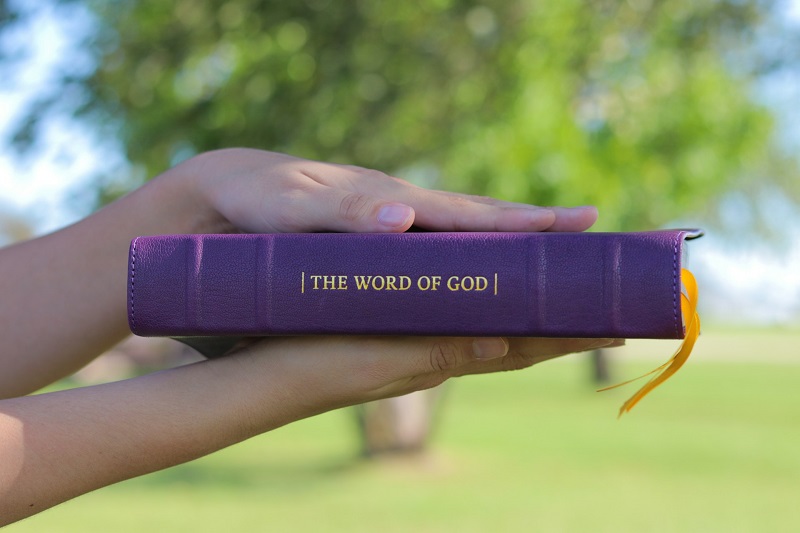
Exodus 25 presents a remarkable moment where divine instruction converges with human creativity, revealing the significance of the Tabernacle.
As God commands the Israelites to offer materials — from gold and silver to acacia wood — He emphasizes the importance of willing contributions, highlighting the relationship between devotion and material giving.
This call to action underscores a communal spirit, inviting each individual to partake in the sacred project, thereby reinforcing a sense of collective identity rooted in shared purpose.
Moreover, the craftsmanship detailed in Exodus 25 serves more than a mere architectural function; it illustrates how sacred space is designed to facilitate encounters with the divine.
The intricate specifications for the Ark of the Covenant, adorned with cherubim, are not just about aesthetics; they symbolize the holiness and mystery of God’s presence among His people.
This chapter invites readers to contemplate how tangible expressions of faith, through art and architecture, are essential in our journey toward spiritual connection, mirroring how we create spaces in our own lives to host the sacred.
✅ Exodus 25 Commentary (Key Verses)
Exodus 25 describes God’s instructions for offerings and the construction of sacred furnishings for the tabernacle.
This chapter highlights worship, generosity, holiness, obedience, and God’s desire to dwell among His people.
It reminds believers that God values willing hearts and desires a close relationship with those who worship Him sincerely.
The Offering for the Sanctuary
“Speak to the children of Israel, that they take an offering for me. From everyone whose heart makes him willing you shall take my offering.” – Exodus 25:2 (WEB)
Commentary 1: God invited the Israelites to give willingly for the construction of the sanctuary. He desired offerings that came from grateful and devoted hearts rather than compulsion.
Commentary 2: Generosity became an act of worship and participation in God’s work among the people. Believers are reminded that God values cheerful and willing giving.
God Desired to Dwell Among His People
“Let them make me a sanctuary, that I may dwell among them.” – Exodus 25:8 (WEB)
Commentary 1: God’s desire to dwell among Israel revealed His love and commitment to a relationship with His people. The sanctuary represented His presence and fellowship with them.
Commentary 2: This verse shows that God is not distant but desires closeness with those who seek Him. Believers are encouraged to value God’s presence and communion with Him.
The Tabernacle Was Built According to God’s Pattern
“According to all that I show you, the pattern of the tabernacle, and the pattern of all its furniture, even so you shall make it.” – Exodus 25:9 (WEB)
Commentary 1: God gave precise instructions for the tabernacle and its furnishings. Worship and service were to follow God’s design rather than human ideas.
Commentary 2: The detailed pattern reflected God’s wisdom, holiness, and order. Believers are reminded that obedience to God’s Word is essential in honoring Him faithfully.
The Ark of the Covenant
“They shall make an ark of acacia wood. Its length shall be two and a half cubits, and its width one and a half cubits.” – Exodus 25:10 (WEB)
Commentary 1: The ark of the covenant represented God’s presence and covenant with Israel. It became the most sacred object within the tabernacle.
Commentary 2: The ark reminded the people that God desired a relationship and fellowship with them. Believers are encouraged to treasure God’s presence above everything else.
The Ark Was Overlaid with Pure Gold
“You shall overlay it with pure gold. Inside and outside you shall overlay it.” – Exodus 25:11 (WEB)
Commentary 1: The gold reflected the holiness, majesty, and glory associated with God’s presence. Every detail of the ark honored God’s greatness.
Commentary 2: The beauty and value of the materials demonstrated reverence and devotion in worship. Believers are reminded that God deserves honor and wholehearted worship.
The Mercy Seat
“You shall make a mercy seat of pure gold.” – Exodus 25:17 (WEB)
Commentary 1: The mercy seat symbolized God’s mercy, forgiveness, and willingness to meet with His people. It was the place associated with atonement and reconciliation.
Commentary 2: God provided a way for sinful people to approach Him through His mercy. Believers are encouraged by the truth that God is compassionate and forgiving.
The Cherubim Covered the Mercy Seat
“The cherubim shall spread out their wings above, covering the mercy seat with their wings.” – Exodus 25:20 (WEB)
Commentary 1: The cherubim symbolized the holiness and heavenly majesty surrounding God’s throne. Their presence reflected awe and reverence before God.
Commentary 2: God’s holiness was central to the design of the tabernacle. Believers are reminded to approach God with humility, respect, and worship.
God Promised to Meet with Moses
“There I will meet with you, and I will tell you from above the mercy seat all that I command you.” – Exodus 25:22 (WEB)
Commentary 1: God promised to speak and meet with Moses from above the mercy seat. This revealed His desire for communication and fellowship with His people.
Commentary 2: God’s presence brought guidance, wisdom, and direction for Israel. Believers are encouraged to seek God’s voice through prayer and devotion.
The Table for the Bread of the Presence
“You shall set bread of the presence on the table before me always.” – Exodus 25:30 (WEB)
Commentary 1: The bread symbolized fellowship, provision, and continual relationship with God. It reminded Israel that God sustained and cared for His people.
Commentary 2: God’s provision extended beyond physical needs to spiritual nourishment and communion. Believers are encouraged to depend on God daily for strength and guidance.
The Golden Lampstand
“You shall make a lamp stand of pure gold.” – Exodus 25:31 (WEB)
Commentary 1: The lampstand symbolized light, truth, and God’s continual presence among His people. Its light illuminated the holy place within the tabernacle.
Commentary 2: The beauty and craftsmanship of the lampstand reflected God’s glory and perfection. Believers are reminded to walk in God’s light and reflect His truth to others.
The Lamps Were to Give Light
“You shall make its lamps seven, and they shall light its lamps to give light to the space in front of it.” – Exodus 25:37 (WEB)
Commentary 1: The continual light represented God’s guidance and truth among His people. His presence brought clarity, direction, and spiritual understanding.
Commentary 2: The lampstand pointed to the importance of remaining close to God’s light. Believers are encouraged to live faithfully and shine God’s truth in the world.
✅ Exodus 25 Lessons & Takeaways
1. God desires relationship with His people
Exodus 25 reveals God’s desire to dwell among Israel through the sanctuary. His presence among the people reflected love, fellowship, and covenant relationship.
Believers today are reminded that God desires closeness and communion with His people. He invites them into fellowship through worship and devotion.
This lesson encourages believers to seek God’s presence daily. True peace and joy are found in relationship with Him.
2. Worship should come from willing hearts
The offerings for the sanctuary were to be given willingly and joyfully. God valued the attitude of the heart behind the gift.
Believers today are encouraged to worship and give with sincerity and gratitude. God delights in cheerful and devoted hearts.
This truth inspires generous and faithful worship. Serving God should flow from love rather than obligation.
3. God is holy and worthy of reverence
The sacred furnishings of the tabernacle reflected God’s holiness and majesty. Every detail was designed to honor His presence.
Believers today are reminded to approach God with humility, respect, and worship. His holiness deserves reverence and obedience.
This lesson encourages sincere devotion and spiritual humility. God is worthy of honor and praise.
4. God provides mercy and guidance
The mercy seat represented forgiveness and God’s willingness to meet with His people. God also promised to speak and guide Israel from His presence.
Believers today are encouraged by God’s mercy, wisdom, and faithfulness. He continues to guide those who seek Him sincerely.
This truth inspires trust and confidence in God’s care. His presence brings direction and hope.
5. God’s light brings truth and direction
The golden lampstand symbolized God’s continual light among His people. His presence illuminated the tabernacle and guided worship.
Believers today are reminded to walk in God’s truth and reflect His light to others. His wisdom provides clarity and spiritual understanding.
This lesson encourages faithful living and dependence on God’s guidance. His light leads His people faithfully.
Exodus 25 Summary (Conclusion)
Exodus 25 describes God’s instructions for offerings and the sacred furnishings of the tabernacle.
The Israelites were invited to bring willing offerings for the construction of the sanctuary.
God declared His desire to dwell among His people through the tabernacle.
Detailed instructions were given for building the ark of the covenant, the mercy seat, the table for the bread of the Presence, and the golden lampstand.
The ark represented God’s covenant and presence among Israel.
The mercy seat symbolized forgiveness and God’s willingness to meet with His people.
The table and bread reflected God’s provision and fellowship with Israel.
The lampstand symbolized God’s light, truth, and continual presence.
Exodus 25 emphasizes worship, holiness, generosity, obedience, and God’s desire for relationship with His people.
It reminds believers that God is holy, merciful, and worthy of wholehearted devotion.
Frequently Asked Questions (FAQs) About Exodus 25
1. What is Exodus 25 about?
Exodus 25 gives instructions for offerings and the construction of sacred furnishings for the tabernacle.
2. Why did God want a sanctuary built?
God desired to dwell among His people and reveal His presence to them.
3. What did the ark of the covenant represent?
It represented God’s covenant and His presence among Israel.
4. What was the purpose of the golden lampstand?
It symbolized God’s light, truth, and continual presence.
5. What lesson does Exodus 25 teach today?
It teaches worship, holiness, generosity, obedience, and the importance of God’s presence.
Other Blog Posts

Grounded in faith and driven by purpose, I’m a Christian blogger and online research specialist with a passion for God’s Word, lifelong learning, and healthy living.