
Imagine a place so sacred that it becomes the heart of a nation’s worship — this is the essence of Solomon’s Temple described in 2 Chronicles 3.
As one of the cornerstones of biblical architecture, this chapter highlights the meticulous planning and divine directives that shaped a symbol of faith for the Israelites.
In our 2 Chronicles 3 summary, you’ll gain a clearer picture of this extraordinary structure and its lasting impact on religious practices, enriching their understanding of its role in both history and spirituality.
2 Chronicles 3 Summary (Explained)
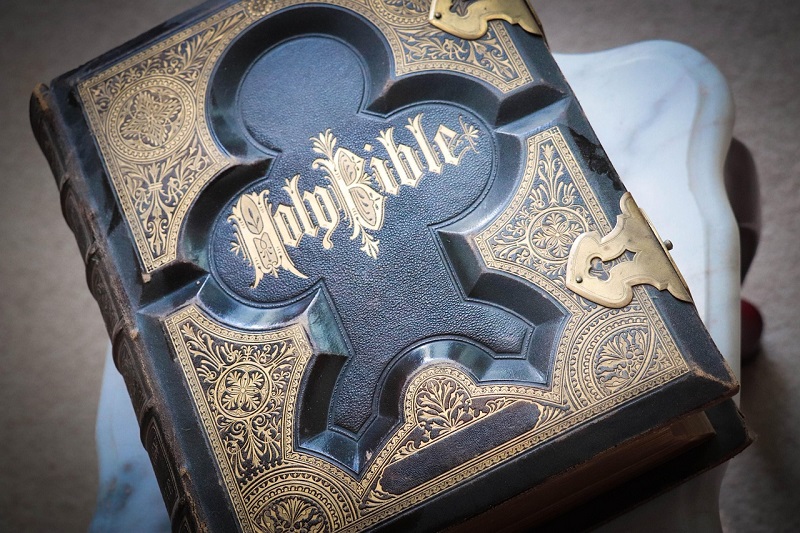
In 2 Chronicles 3, the narrative unfolds as Solomon embarks on the monumental task of building the Temple in Jerusalem, marking a pivotal moment in Israel’s history.
This chapter delves into the architectural details, revealing not just the grandeur of the structure but also the spiritual significance it holds.
Solomon’s choice of Mount Moriah, the very site where Abraham was tested, adds a profound layer of meaning, connecting generations of faith and obedience.
The meticulous descriptions within 2 Chronicles 3 highlight more than just craftsmanship; they emphasize the importance of worship and God’s presence among His people.
The use of precious materials like gold and cedar symbolizes not only the wealth of Solomon’s reign but also the reverence due to the Almighty.
As the temple rises, it becomes a tangible representation of Israel’s covenant relationship with God, inviting reflection on how physical spaces can enhance spiritual experiences.
Through this, the chapter invites readers to consider their own spaces of worship and how they reflect their faith journeys.
✅ 2 Chronicles 3 Commentary (Key Verses)
2 Chronicles 3 recounts the construction of Solomon’s temple, one of the most significant events in Israel’s history and the fulfillment of God’s promise to David.
The chapter carefully describes the location, dimensions, and sacred features of the temple, emphasizing God’s holiness and the importance of worshiping Him according to His instructions.
Every detail of the temple reflected God’s majesty and reminded Israel that He desired to dwell among His covenant people.
2 Chronicles 3 reminds believers that God is worthy of reverence, faithful obedience, and wholehearted worship.
Solomon Begins Building the Temple
“Then Solomon began to build God’s house at Jerusalem on Mount Moriah, where God appeared to David his father.” – 2 Chronicles 3:1 (WEB)
Commentary 1: Solomon began constructing the temple on Mount Moriah, the very place God had revealed Himself to David. The chosen location connected God’s past faithfulness with His continuing covenant promises to Israel.
Commentary 2: God’s plans unfold according to His perfect timing. Believers are encouraged to trust that He faithfully accomplishes His purposes from one generation to the next.
The Foundation Is Carefully Laid
“These are the foundations which Solomon laid for the building of God’s house.” – 2 Chronicles 3:3 (WEB)
Commentary 1: Solomon carefully established the temple’s foundation before any other work progressed. A strong foundation ensured that the house dedicated to God would stand securely.
Commentary 2: Lasting spiritual growth begins with the right foundation. Believers are reminded to build their lives upon God’s Word rather than shifting human opinions.
The Most Holy Place Is Constructed
“He made the most holy house. Its length… and its width…” – 2 Chronicles 3:8 (WEB)
Commentary 1: The Most Holy Place became the sacred center of the temple where the ark of the covenant would be placed. It symbolized God’s holy presence among His people.
Commentary 2: God’s holiness deserves the highest honor and reverence. Believers are encouraged to approach Him with humility, gratitude, and sincere devotion.
The Temple Is Covered with Gold
“He overlaid the house with fine gold.” – 2 Chronicles 3:5 (WEB)
Commentary 1: Solomon decorated the temple with fine gold, reflecting the beauty, glory, and honor appropriate for the house dedicated to God.
Commentary 2: God deserves our very best in worship and service. Believers are encouraged to honor Him wholeheartedly in every aspect of their lives.
Cherubim Are Placed in the Most Holy Place
“In the most holy house he made two cherubim… and overlaid them with gold.” – 2 Chronicles 3:10 (WEB)
Commentary 1: The large cherubim symbolized the majesty and holiness of God’s throne. Their presence emphasized the sacred nature of the temple and God’s covenant relationship with Israel.
Commentary 2: God’s presence should inspire both awe and confidence. Believers are reminded that the holy God graciously invites His people into fellowship with Him.
The Wings of the Cherubim Fill the Sanctuary
“The wings of the cherubim were twenty cubits long… their wings touched one another.” – 2 Chronicles 3:11–13 (WEB)
Commentary 1: The outstretched wings of the cherubim covered the Most Holy Place, visually emphasizing God’s protection, majesty, and sovereign authority.
Commentary 2: God’s sovereign care extends over His people. Believers can rest confidently under His faithful protection and loving guidance.
The Veil Is Made
“He made the veil of blue, purple, crimson, and fine linen, and ornamented it with cherubim.” – 2 Chronicles 3:14 (WEB)
Commentary 1: The veil separated the Holy Place from the Most Holy Place, illustrating both God’s holiness and the limited access people had to His presence under the old covenant.
Commentary 2: God’s holiness reminds believers to approach Him with reverence. Through His grace, He makes fellowship with Him possible according to His perfect plan.
The Two Bronze Pillars Are Completed
“He made two pillars… and called the name of that on the right Jachin, and the name of that on the left Boaz.” – 2 Chronicles 3:15–17 (WEB)
Commentary 1: The impressive bronze pillars stood at the entrance of the temple as symbols of strength and stability. Their names reflected God’s power to establish and sustain His people.
Commentary 2: God alone provides lasting strength and security. Believers are encouraged to build their confidence upon His faithfulness rather than human ability.
✅ 2 Chronicles 3 Lessons & Takeaways
1. God faithfully fulfills His promises
The construction of the temple fulfilled God’s promise to David that his son would build a permanent house for His name. What God had promised years earlier came to pass exactly as He had declared.
Believers today can trust every promise God has spoken in His Word. His faithfulness remains constant throughout every generation.
This lesson encourages believers to patiently rely upon God’s perfect timing.
2. God deserves our highest honor
The beauty and excellence of the temple reflected the greatness of the God who would be worshiped there. Every detail demonstrated reverence for His holiness.
Believers today honor God by giving Him first place in every area of life and serving Him with wholehearted devotion.
This lesson encourages believers to worship God with excellence and sincere gratitude.
3. Holiness should shape our worship
The Most Holy Place and the veil reminded Israel that God is perfectly holy and worthy of reverence. Worship was never to become casual or careless.
Believers today should approach God with humble hearts, recognizing both His holiness and His amazing grace.
This lesson encourages believers to worship God with reverence and joyful obedience.
4. Strong foundations lead to lasting faithfulness
The temple began with a carefully prepared foundation before any visible beauty was added. A secure beginning ensured lasting stability.
Believers today should build their lives upon God’s truth through regular prayer, obedience, and faithful study of Scripture.
This lesson encourages believers to establish a strong spiritual foundation.
5. God alone is our strength
The pillars named Jachin and Boaz reminded Israel that stability and strength ultimately come from God rather than human achievement.
Believers today can confidently depend upon God through every season of life. His strength never fails those who trust Him.
This lesson encourages believers to rely upon God’s power instead of their own abilities.
2 Chronicles 3 Summary (Conclusion)
2 Chronicles 3 records the beginning of Solomon’s construction of the temple in Jerusalem on Mount Moriah, the place God had previously revealed to David.
The chapter carefully describes the dimensions of the temple, the Most Holy Place, and the magnificent craftsmanship that reflected God’s holiness and glory.
Fine gold covered much of the interior, while large cherubim were placed inside the Most Holy Place to symbolize God’s majestic presence among His people.
A beautifully woven veil separated the Holy Place from the Most Holy Place, emphasizing the sacredness of God’s dwelling.
The chapter concludes with the completion of the two bronze pillars named Jachin and Boaz, which stood prominently at the entrance of the temple.
Every detail of the construction reflected careful obedience to God’s design and demonstrated the honor due to His name.
The temple became the central place of worship for Israel and a visible reminder of God’s covenant faithfulness.
2 Chronicles 3 reminds believers that God deserves reverence, faithful obedience, and wholehearted worship.
It encourages every generation to build their lives upon God’s truth and honor Him with excellence in every area of service.
Frequently Asked Questions (FAQs) About 2 Chronicles 3
1. What is 2 Chronicles 3 about?
2 Chronicles 3 describes the beginning of Solomon’s construction of the temple, including its location, structure, the Most Holy Place, the cherubim, the veil, and the bronze pillars.
2. Why was the temple built on Mount Moriah?
The temple was built on Mount Moriah because God had appeared to David there, making it the place He had chosen for His house.
3. What was the purpose of the Most Holy Place?
The Most Holy Place housed the ark of the covenant and represented the sacred place of God’s presence among His covenant people.
4. What is the main lesson of 2 Chronicles 3?
2 Chronicles 3 teaches that God is holy, faithful to His promises, and worthy of reverent worship and wholehearted obedience.
5. What did the names Jachin and Boaz mean?
The names of the two bronze pillars reflected God’s strength and His power to establish and sustain His people, serving as reminders that lasting stability comes from Him.
Other Blog Posts

Grounded in faith and driven by purpose, I’m a Christian blogger and online research specialist with a passion for God’s Word, lifelong learning, and healthy living.