
How can a single chapter transform your perspective on faith during difficult times?
The story of Elijah in 1 Kings 17 is more than just an ancient tale; it’s a powerful lesson in reliance and miracles.
In this summary, we will unravel the dramatic events that led Elijah to confront famine and rely on God’s provision.
By the end of this article, you’ll grasp how this scripture applies to your own challenges today and inspires hope even in the toughest moments.
1 Kings 17 Summary (Explained)
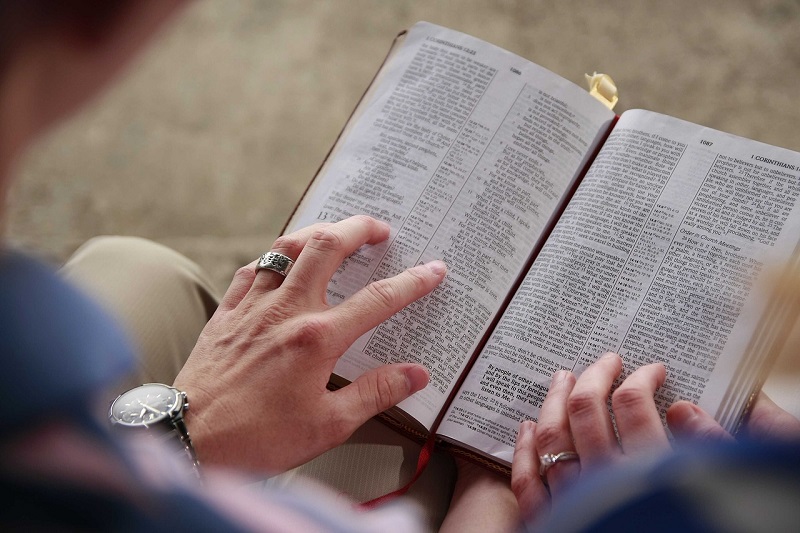
In 1 Kings 17, we witness the dramatic unfolding of Elijah’s prophetic journey as he confronts the stark realities of drought and famine in Israel.
The chapter opens with God’s command to Elijah to deliver a message of judgment to King Ahab, a pivotal moment that underlines the necessity of divine intervention in a nation veering away from faith.
Elijah’s immediate retreat to the Kerith Ravine not only showcases God’s protective measures but also serves as a profound metaphor for spiritual isolation — a place where one can commune with God despite surrounding chaos.
The miraculous provision of food through ravens and the subsequent encounter with the widow of Zarephath reveal layers of divine compassion.
When Elijah requests water and bread from the widow, her initial hesitation highlights societal despair and individual struggle. Yet, her act of faith in sharing what little she has becomes a catalyst for miraculous sustenance.
This intersection of faith and divine provision emphasizes the theme that true abundance often arises from our willingness to give, regardless of our circumstances.
Through these powerful narratives, 1 Kings 17 not only recounts events but also encourages reflection on the transformational power of faith in times of desperation.
✅ 1 Kings 17 Commentary (Key Verses)
1 Kings 17 introduces the prophet Elijah and records several miracles that demonstrate God’s power, provision, and compassion during a time of spiritual decline in Israel.
This chapter highlights God’s faithfulness to provide for His servants, His care for those who trust Him, and His authority over life and death.
It reminds you that God can sustain His people in difficult circumstances and often works through unexpected means to accomplish His purposes.
Elijah Announces the Drought
“Elijah the Tishbite, who was of the settlers of Gilead, said to Ahab, ‘As God, the God of Israel, lives, before whom I stand, there shall not be dew nor rain these years, except by my word.’” – 1 Kings 17:1 (WEB)
Commentary 1: Elijah’s first appearance in Scripture is bold and direct. He confronted King Ahab with a message of judgment, declaring that God would withhold rain from the land because of Israel’s rebellion.
Commentary 2: The drought challenged the false worship of Baal, who was believed by many to control fertility and weather. God demonstrated that He alone has authority over creation.
God Provides for Elijah at the Brook Cherith
“You shall drink from the brook. I have commanded the ravens to feed you there.” – 1 Kings 17:4 (WEB)
Commentary 1: God instructed Elijah to hide near the brook Cherith, where He would provide food through ravens. This unusual provision demonstrated God’s ability to care for His servant in miraculous ways.
Commentary 2: God’s resources are never limited by human expectations. He often uses unexpected methods to meet the needs of His people.
Elijah Obeys God’s Direction
“So he went and did according to God’s word; for he went and lived by the brook Cherith that is before the Jordan.” – 1 Kings 17:5 (WEB)
Commentary 1: Elijah responded with immediate obedience to God’s instructions. His willingness to trust God positioned him to experience divine provision.
Commentary 2: Obedience often precedes blessing. This verse reminds you that following God’s guidance is an important step toward experiencing His faithfulness.
The Brook Dries Up
“After a while, the brook dried up, because there was no rain in the land.” – 1 Kings 17:7 (WEB)
Commentary 1: Even though Elijah was following God’s will, he still faced difficulties. The drying brook showed that obedience does not eliminate every challenge.
Commentary 2: God sometimes allows one source of provision to end in order to lead His people toward the next stage of His plan. His guidance continues even when circumstances change.
God Sends Elijah to a Widow
“Behold, I have commanded a widow there to sustain you.” – 1 Kings 17:9 (WEB)
Commentary 1: God directed Elijah to a widow in Zarephath, an unlikely source of support during a famine. This choice revealed that God’s provision often comes through unexpected people and places.
Commentary 2: The widow’s situation seemed inadequate from a human perspective, but God was preparing to demonstrate His power through her faith.
The Widow Shares Her Last Meal
“She said, ‘As God your God lives, I don’t have a cake, but a handful of meal in a jar, and a little oil in a jar. Behold, I am gathering two sticks, that I may go in and bake it for me and my son, that we may eat it, and die.’” – 1 Kings 17:12 (WEB)
Commentary 1: The widow faced desperate circumstances and believed she had reached the end of her resources. Yet her encounter with Elijah would become the beginning of God’s miraculous provision.
Commentary 2: This verse shows that God often works when situations seem hopeless. Human limitations do not prevent Him from accomplishing His purposes.
God Promises Ongoing Provision
“For God, the God of Israel, says, ‘The jar of meal will not run out, and the jar of oil will not fail, until the day that God sends rain on the earth.’” – 1 Kings 17:14 (WEB)
Commentary 1: Elijah delivered a promise of supernatural provision. God would sustain the widow and her household throughout the famine.
Commentary 2: God’s provision may not always come in abundance, but it is always sufficient. He faithfully supplies what His people need according to His purposes.
The Widow Experiences God’s Faithfulness
“She went and did according to the saying of Elijah; and she, he, and her house ate many days. The jar of meal didn’t run out, neither did the jar of oil fail, according to God’s word.” – 1 Kings 17:15-16 (WEB)
Commentary 1: The widow responded in faith and witnessed God’s promise fulfilled day after day. His provision remained constant throughout the crisis.
Commentary 2: This miracle illustrates the reliability of God’s word. What He promises, He is fully able to accomplish.
The Widow’s Son Dies
“After these things, the son of the woman, the mistress of the house, became sick; and his sickness was so severe that there was no breath left in him.” – 1 Kings 17:17 (WEB)
Commentary 1: Despite experiencing God’s provision, the widow faced another heartbreaking trial. This reminds believers that faith does not exempt people from suffering.
Commentary 2: Difficult circumstances can arise even after seasons of blessing. Yet God remains present and faithful through every challenge.
God Restores the Widow’s Son to Life
“God listened to the voice of Elijah; and the soul of the child came into him again, and he revived.” – 1 Kings 17:22 (WEB)
Commentary 1: Through Elijah’s prayer, God performed a remarkable miracle by restoring the child’s life. This demonstrated His authority over death itself.
Commentary 2: The miracle revealed both God’s power and His compassion. He cares deeply about the suffering of His people and responds according to His perfect will.
The Widow Confirms Elijah’s Calling
“The woman said to Elijah, ‘Now I know that you are a man of God, and that God’s word in your mouth is truth.’” – 1 Kings 17:24 (WEB)
Commentary 1: The widow’s faith grew through witnessing God’s miraculous work. She recognized that Elijah truly spoke on behalf of the Lord.
Commentary 2: God often uses life experiences to deepen faith and reveal His trustworthiness. His faithfulness strengthens confidence in His word.
✅ 1 Kings 17 Lessons & Takeaways
1. God is able to provide in unexpected ways
Elijah received food from ravens and later found provision through a widow facing her own hardship. Both situations demonstrated that God is not limited by human resources or circumstances.
When traditional sources of help seem unavailable, God can open doors that would never have been anticipated. His creativity and power exceed human understanding.
This lesson encourages you to trust God’s provision even when the solution is not yet visible.
2. Obedience positions you to experience God’s faithfulness
Elijah obeyed God’s instructions at every stage of the journey, even when the commands seemed unusual. His obedience allowed him to witness God’s care and miraculous provision.
Faith often requires action before the outcome is known. Trusting God means following His direction even when the path is uncertain.
This lesson encourages you to obey God faithfully and trust Him with the results.
3. God’s provision is sufficient for every season
The widow’s jar of flour and oil never ran out during the famine. Day after day, God supplied exactly what was needed.
God may not always provide in excess, but He consistently provides according to His wisdom and timing. His faithfulness can be trusted through every circumstance.
This lesson encourages you to rely on God’s daily provision and remain confident in His care.
4. Trials do not mean God has abandoned you
Even after experiencing miracles, the widow faced the devastating loss of her son. Her hardship shows that believers can encounter suffering despite walking in faith.
God remains present during painful seasons and continues working even when circumstances are difficult to understand. His purposes are often greater than what can be immediately seen.
This lesson encourages you to trust God’s presence and faithfulness during times of hardship.
5. God has power over life and death
The resurrection of the widow’s son revealed God’s authority over the most impossible situations. Nothing is beyond His ability to restore or redeem.
This miracle pointed to God’s power to bring hope where there appears to be none. His sovereignty extends over every aspect of life.
This lesson encourages you to place your confidence in God’s unlimited power and compassion.
1 Kings 17 Summary (Conclusion)
1 Kings 17 introduces the prophet Elijah during the reign of King Ahab and marks the beginning of a severe drought in Israel.
Elijah announced God’s judgment upon the nation and was then directed to the brook Cherith, where God provided food through ravens and water from the brook.
When the brook eventually dried up, God sent Elijah to a widow in Zarephath. Although she had only a small amount of flour and oil remaining, she obeyed Elijah’s instructions and experienced God’s miraculous provision throughout the famine.
Later, the widow’s son became ill and died. Elijah prayed earnestly, and God restored the child’s life, demonstrating His authority over death.
The chapter concludes with the widow affirming that Elijah is a true prophet and that God’s word is trustworthy.
1 Kings 17 emphasizes God’s provision, faithfulness, power, and compassion.
It reminds you that God is able to sustain His people through difficult circumstances and that His promises remain dependable in every season of life.
Frequently Asked Questions (FAQs) About 1 Kings 17
1. What is 1 Kings 17 about?
1 Kings 17 introduces Elijah, records the beginning of the drought, God’s provision through ravens and a widow, and the resurrection of the widow’s son.
2. Why did God send ravens to feed Elijah?
God used ravens to demonstrate His supernatural provision and care for Elijah during the drought.
3. Who was the widow of Zarephath?
She was a widow whom God used to provide for Elijah and whose household experienced miraculous provision during the famine.
4. What happened to the widow’s son?
The boy became sick and died, but God restored him to life through Elijah’s prayer.
5. What lesson does 1 Kings 17 teach today?
The chapter teaches believers to trust God’s provision, obey His guidance, remain faithful during trials, and rely on His power in every circumstance.
Other Blog Posts

Grounded in faith and driven by purpose, I’m a Christian blogger and online research specialist with a passion for God’s Word, lifelong learning, and healthy living.