
What if the secrets to navigating our trials were hidden in the pages of an oft-ignored biblical prophecy?
Zephaniah 2 serves as a stark reminder of accountability and renewal, calling both ancient Israel and modern readers to self-examination and hope.
This article will offer an insightful Zephaniah 2 summary, unpacking its key messages and their applications today.
By delving into this text, you’ll discover powerful lessons that can guide you in your personal and spiritual journey.
Zephaniah 2 Summary (Explained)
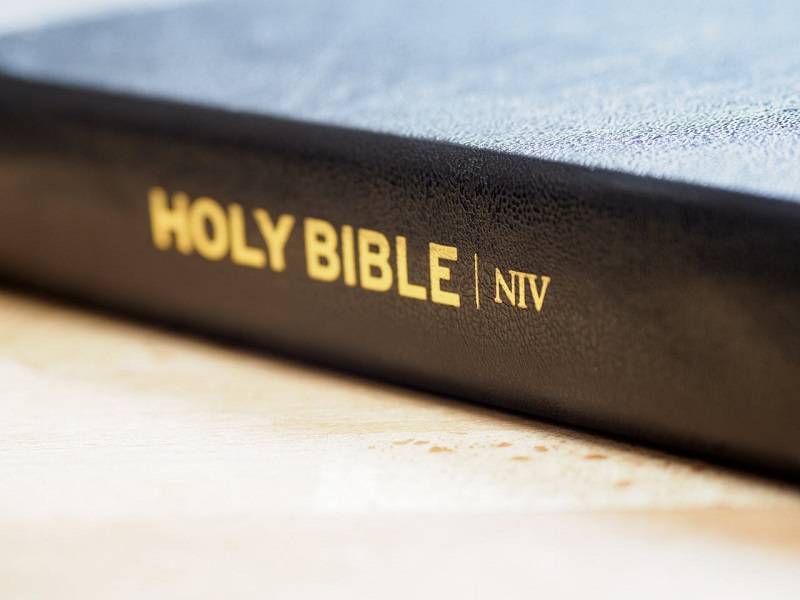
Zephaniah 2 urges a deep reflection on the importance of humility and repentance.
The chapter serves as a call to the nations surrounding Judah, warning them of impending judgment while simultaneously inviting them to seek refuge in the Lord.
The imagery of devastation directed at both historical cities and their cultures resonates powerfully, urging readers to consider the long-term consequences of their moral choices.
Within this Zephaniah 2 summary, we see a unique blend of hope and foreboding.
The chapter not only forewarns the destruction of places like Nineveh and Moab but also highlights the promise of restoration for the meek.
This duality emphasizes that amidst divine wrath, there is a path to redemption for those who align themselves with righteousness.
This balance invites contemporary readers to ponder their own spiritual state — are they standing in faith or at risk of judgment?
Ultimately, Zephaniah 2 presents a striking reminder that the call to accountability is universal.
While nations may be judged, the chapter underscores that true strength lies in humility, urging individuals and communities alike to pursue justice and compassion in a world that often prioritizes power over peace.
The stark contrasts drawn in the chapter continue to reverberate today, challenging us to engage thoughtfully with our moral landscapes.
✅ Zephaniah 2 Commentary (Key Verses)
Zephaniah 2 records God’s call to repentance before judgment and His pronouncements against the surrounding nations because of their pride, violence, and idolatry.
Throughout this chapter, God reveals His justice toward the wicked while offering hope to those who humbly seek Him.
The message encourages believers to pursue humility, righteousness, and wholehearted devotion, trusting that God faithfully judges evil and preserves those who seek Him.
Seek the Lord Before Judgment Comes
“Gather yourselves together, yes, gather together, undesirable nation, before the appointed time when the day passes as the chaff, before the fierce anger of God comes on you, before the day of God’s anger comes on you.” – Zephaniah 2:1-2 (WEB)
Commentary 1: God graciously called His people to gather and repent before His judgment arrived. Even in the face of coming punishment, His invitation demonstrated His desire for repentance rather than destruction.
Commentary 2: The warning reminds believers not to delay responding to God. His patience provides an opportunity to turn from sin and walk in faithful obedience before consequences unfold.
Seek Righteousness and Humility
“Seek God, all you humble of the land, who have kept his ordinances. Seek righteousness. Seek humility. It may be that you will be hidden in the day of God’s anger.” – Zephaniah 2:3 (WEB)
Commentary 1: Rather than relying on their own strength, the humble were instructed to pursue God, righteousness, and humility. These qualities reflected hearts that desired to honor the Lord.
Commentary 2: An important lesson from this verse is that humility positions people to receive God’s mercy. Those who sincerely seek Him can confidently trust His protection and care.
Judgment Against Philistia
“For Gaza will be forsaken, and Ashkelon a desolation. They will drive out Ashdod at noonday, and Ekron will be rooted up.” – Zephaniah 2:4 (WEB)
Commentary 1: God announced judgment upon the Philistine cities because of their wickedness and hostility. No nation, regardless of its strength, could escape His righteous justice.
Commentary 2: The prophecy demonstrates that earthly security cannot replace obedience to God. Nations and individuals alike are accountable before the Lord.
The Coastland Will Belong to God’s People
“The sea coast will be pastures, with cottages for shepherds and folds for flocks. The coast will be for the remnant of the house of Judah.” – Zephaniah 2:6-7 (WEB)
Commentary 1: Following judgment, God promised restoration for His faithful remnant. Places once occupied by Israel’s enemies would become blessings for His people.
Commentary 2: This promise reveals that God is able to transform places of loss into places of provision. Believers can trust His ability to restore what seems beyond recovery.
Moab and Ammon Are Judged for Pride
“I have heard the reproach of Moab, and the insults of the children of Ammon, with which they have reproached my people.” – Zephaniah 2:8 (WEB)
Commentary 1: God had not ignored the insults and hostility shown toward His people. The pride of Moab and Ammon would ultimately bring them under His judgment.
Commentary 2: Pride often leads people to oppose both God and His purposes. The passage encourages believers to reject arrogance and instead cultivate humility before the Lord.
The Lord Alone Will Be Worshiped
“God will be awesome to them, for he will famish all the gods of the land. Men will worship him, everyone from his place, even all the shores of the nations.” – Zephaniah 2:11 (WEB)
Commentary 1: This prophecy points beyond judgment to a future when people from many nations will worship the one true God. His authority extends over every false religion and idol.
Commentary 2: The verse encourages believers to remain devoted to God alone. Every false object of trust will ultimately fail, but His kingdom endures forever.
Ethiopia Will Face God’s Judgment
“You Cushites also, you will be killed by my sword.” – Zephaniah 2:12 (WEB)
Commentary 1: God’s judgment was not limited to nearby nations. Even distant kingdoms were accountable to Him because His authority reaches across the entire earth.
Commentary 2: The passage reminds believers that no one lives beyond God’s knowledge or justice. His righteous rule extends to every nation and every generation.
Nineveh Will Become Desolate
“He will stretch out his hand against the north, destroy Assyria, and will make Nineveh a desolation, as dry as the wilderness.” – Zephaniah 2:13 (WEB)
Commentary 1: Assyria appeared powerful and invincible, yet God declared that its capital would become a wasteland. Human empires cannot stand forever against His sovereign will.
Commentary 2: The downfall of Nineveh reminds believers not to place confidence in worldly power. Lasting security is found only in God.
The Proud City Will Be Humbled
“This is the joyous city that lived carelessly, that said in her heart, ‘I am, and there is no one else besides me.’” – Zephaniah 2:15 (WEB)
Commentary 1: Nineveh’s confidence had turned into pride and self-sufficiency. The city believed it was beyond judgment, but God exposed the emptiness of its arrogance.
Commentary 2: Pride blinds people to their need for God. This closing warning encourages believers to remain humble and recognize that every blessing ultimately comes from the Lord.
✅ Zephaniah 2 Lessons & Takeaways
1. God calls people to repentance before judgment
Zephaniah 2 opens with an urgent invitation for God’s people to gather, repent, and seek Him before His judgment arrives. Even while announcing coming punishment, God still offered an opportunity to return to Him.
For believers today, this reveals the mercy of God. He patiently calls people to repentance because He desires restored fellowship rather than destruction.
This lesson encourages immediate obedience. Responding to God’s voice today is always wiser than delaying until tomorrow.
2. Humility attracts God’s favor
The prophet urged the humble to seek God, pursue righteousness, and walk in humility. Those who trusted Him could find refuge during difficult times.
One important truth is that God honors humble hearts. He delights in those who depend upon Him instead of relying on pride or self-confidence.
This lesson inspires believers to cultivate humility in every area of life. True greatness begins with surrender to God.
3. God judges pride and injustice
The judgments against Philistia, Moab, Ammon, Ethiopia, and Assyria demonstrate that God holds every nation accountable for its actions. Pride, cruelty, and idolatry never escape His notice.
Believers can be encouraged that God sees every act of injustice. His judgment is perfect, impartial, and always righteous.
This truth strengthens faith during times of evil. God will ultimately deal with every wrong according to His justice.
4. God remains sovereign over every nation
No kingdom mentioned in Zephaniah 2 was beyond God’s authority. Even the strongest empires eventually fell because His power exceeds every earthly government.
For believers today, this provides great confidence. Political powers may rise and fall, but God’s kingdom remains forever.
This lesson encourages unwavering trust in the Lord. His purposes will always prevail despite changing circumstances.
5. God promises restoration for His faithful people
Although much of the chapter focuses on judgment, God also promised blessings for the faithful remnant. He would provide for them and restore what had been lost.
This promise reminds believers that God’s final purpose is restoration for those who trust Him. His discipline is never separated from His faithfulness.
The chapter closes with hope that God will ultimately vindicate His people and establish His righteous purposes.
Zephaniah 2 Summary (Conclusion)
Zephaniah 2 begins with God’s call for His people to gather, repent, and seek Him before the day of judgment arrives.
The humble were urged to pursue righteousness and humility while trusting in God’s mercy.
God announced judgment against Philistia and declared that its cities would become desolate.
He promised that the faithful remnant of Judah would one day possess the coastal lands.
Moab and Ammon were condemned because of their pride and their insults against God’s people.
The chapter also foretold judgment upon Ethiopia and the mighty empire of Assyria.
Nineveh, once powerful and proud, would become a deserted ruin because of its arrogance.
Despite these judgments, God revealed that people from many nations would eventually worship Him alone.
Zephaniah 2 emphasizes repentance, humility, God’s justice, His sovereignty over the nations, and His faithfulness to His people.
It reminds believers that while God opposes pride and wickedness, He graciously preserves and restores those who humbly seek Him.
Frequently Asked Questions (FAQs) About Zephaniah 2
1. What is Zephaniah 2 about?
Zephaniah 2 is about God’s call to repentance and His judgments against Philistia, Moab, Ammon, Ethiopia, and Assyria.
2. Why does God tell the people to seek humility?
God calls His people to seek humility because humble hearts are willing to trust Him, obey Him, and receive His mercy.
3. Why were Moab and Ammon judged?
They were judged because of their pride and because they insulted and opposed God’s people.
4. What happened to Nineveh in Zephaniah 2?
God declared that Nineveh would become desolate despite its power and confidence because of its pride and wickedness.
5. What lesson does Zephaniah 2 teach today?
It teaches believers to seek God with humility, reject pride, trust His justice, and remain confident that He faithfully rules over every nation.
Other Blog Posts

Grounded in faith and driven by purpose, I’m a Christian blogger and online research specialist with a passion for God’s Word, lifelong learning, and healthy living.