
What happens when leadership fails, and betrayal ensues?
Zechariah 11 provides a vivid account of these themes, emphasizing the consequences faced by both leaders and their followers.
This summary is not just an ancient story; it’s a relevant commentary on today’s societal challenges.
By exploring the key elements of Zechariah 11, you’ll gain insights that resonate beyond biblical times, shedding light on trust and accountability in our own lives.
Zechariah 11 Summary (Explained)
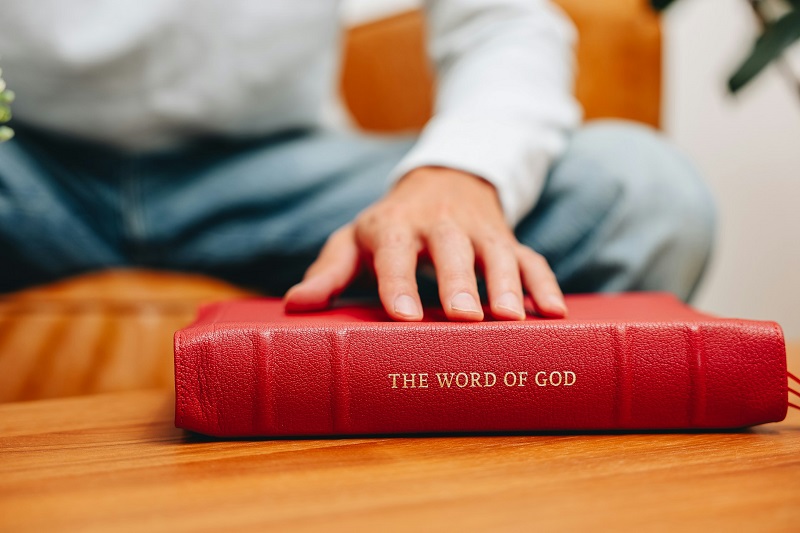
In Zechariah 11, the prophet presents a vivid allegory that speaks to the tumultuous relationship between God, His people, and their leaders.
The chapter begins with an evocative call to the cedar trees, symbolizing the mighty leaders of Israel, to lament the devastation that awaits them.
This destruction serves as a metaphor for the nation’s spiritual decay, showing how leaders, once strong, will fall because they fail to shepherd the flock diligently.
The imagery in Zechariah 11 powerfully contrasts the roles of the true shepherd and the worthless shepherd.
The latter represents corrupt leaders who exploit and neglect their responsibilities, emphasizing the disconnection between leadership and the community’s spiritual well-being.
As Zechariah acts out the role of the shepherd, he ultimately resigns in disillusionment, reflecting the profound loss of trust in those who were meant to guide.
This chapter invites readers to reflect on the importance of genuine leadership grounded in accountability and compassion, urging a deeper examination of both spiritual and communal governance in contemporary settings.
✅ Zechariah 11 Commentary (Key Verses)
Zechariah 11 examines the rejection of God’s appointed Shepherd and the tragic consequences that follow when His people refuse His leadership.
The chapter uses vivid imagery to portray coming judgment, corrupt leaders, and the breaking of God’s covenant relationship because of persistent rebellion.
It also contains a remarkable prophecy concerning the rejection of the coming Messiah and the thirty pieces of silver.
Zechariah 11 reminds believers that rejecting God’s guidance always leads to spiritual loss, while trusting the Good Shepherd brings hope, security, and lasting peace.
The Land Mourns Under Judgment
“Open your doors, Lebanon, that the fire may devour your cedars.” – Zechariah 11:1 (WEB)
Commentary 1: The chapter opens with a poetic picture of widespread destruction sweeping through the land. Lebanon’s majestic cedars, Bashan’s mighty oaks, and the lush forests are portrayed as falling under divine judgment, symbolizing the collapse of human pride and national strength.
Commentary 2: Believers are reminded that no earthly power or achievement can stand against God’s righteous judgment. True security is found not in worldly strength but in faithfully walking with the Lord.
The Shepherds Lament Their Loss
“Wail, you shepherds, for your glory has been destroyed!” – Zechariah 11:3 (WEB)
Commentary 1: The shepherds, representing Israel’s leaders, mourn because their authority and prosperity have come to an end. Their failure to care faithfully for God’s people has resulted in judgment upon both the leaders and the nation.
Commentary 2: God holds leaders accountable for the way they influence others. Believers who serve in positions of responsibility should lead with humility, integrity, and genuine concern for those entrusted to their care.
The Good Shepherd Cares for the Flock
“So I fed the flock of slaughter, especially the oppressed of the flock. I took for myself two staffs. The one I called Favor, and the other I called Union.” – Zechariah 11:7 (WEB)
Commentary 1: Zechariah symbolically acts as a shepherd caring for a flock destined for slaughter. His two staffs, named Favor and Union, represent God’s blessing and the unity He desired for His people.
Commentary 2: This picture reflects God’s compassionate care even toward people who continually reject Him. Believers are encouraged to appreciate God’s faithful guidance and remain united under His leadership.
The Staff Called Favor Is Broken
“I took my staff Favor and cut it apart, that I might break my covenant which I had made with all the peoples.” – Zechariah 11:10 (WEB)
Commentary 1: The breaking of the staff named Favor symbolized the withdrawal of God’s special protection because of the people’s persistent disobedience. Their rejection of the Shepherd brought serious covenant consequences.
Commentary 2: God’s patience is great, but continual rebellion carries consequences. Believers are reminded to respond quickly to God’s correction and remain faithful to His Word.
Thirty Pieces of Silver
“So they weighed for my wages thirty pieces of silver.” – Zechariah 11:12 (WEB)
Commentary 1: The people valued the shepherd’s work at only thirty pieces of silver, the price commonly associated with a slave. This prophetic act foreshadows the betrayal of the Messiah, who was likewise valued at thirty pieces of silver.
Commentary 2: This prophecy reminds believers of the tragic reality that people often fail to recognize God’s priceless gift. Christ’s worth cannot be measured by human standards, and He deserves wholehearted devotion.
The Silver Is Thrown into the House of God
“I took the thirty pieces of silver, and threw them to the potter in God’s house.” – Zechariah 11:13 (WEB)
Commentary 1: God instructs Zechariah to throw the silver into the house of God for the potter, further emphasizing the people’s rejection of the Shepherd. This prophecy finds remarkable fulfillment in the events surrounding Judas Iscariot’s betrayal of Jesus.
Commentary 2: God’s prophetic Word is completely trustworthy. Believers can have confidence that every promise and prophecy He gives will ultimately come to pass according to His perfect plan.
The Staff Called Union Is Broken
“Then I cut apart my other staff, even Union, that I might break the brotherhood between Judah and Israel.” – Zechariah 11:14 (WEB)
Commentary 1: The second staff symbolized the unity that existed among God’s people. Its breaking illustrated the division and fractured relationships that resulted from rejecting God’s Shepherd.
Commentary 2: Sin not only damages a person’s relationship with God but also affects relationships with others. Believers are encouraged to pursue unity by living in obedience to God’s truth.
The Worthless Shepherd
“Woe to the worthless shepherd who leaves the flock!” – Zechariah 11:17 (WEB)
Commentary 1: Because the people rejected the Good Shepherd, God allowed a worthless shepherd to arise. Unlike the faithful shepherd, this leader neglected and exploited the flock for personal gain.
Commentary 2: This passage warns believers about the danger of following ungodly leadership. It highlights the importance of discerning leaders who faithfully teach God’s Word and care for His people.
✅ Zechariah 11 Lessons & Takeaways
1. Rejecting God’s Shepherd leads to spiritual loss
Throughout Zechariah 11, the people repeatedly rejected God’s appointed Shepherd. Their refusal resulted in judgment, division, and the removal of God’s favor.
Believers today are called to follow Christ, the Good Shepherd, who lovingly leads His people in truth and righteousness.
This lesson encourages believers to remain close to the Shepherd and trust His direction every day.
2. God values faithful leadership
The chapter contrasts the faithful shepherd with the worthless shepherd who neglected the flock. God clearly distinguishes between leaders who serve others and those who seek personal gain.
Believers today should pray for godly leaders and strive to demonstrate humility, compassion, and integrity in every area of influence.
This lesson encourages believers to lead others with Christlike character.
3. God’s Word is always fulfilled
The prophecy concerning the thirty pieces of silver demonstrates God’s perfect knowledge of future events. What Zechariah foretold centuries earlier was fulfilled in the betrayal of Jesus Christ.
Believers today can trust every promise found in Scripture because God always keeps His Word.
This lesson encourages believers to build their lives upon the truth of God’s promises.
4. Sin brings division and brokenness
The breaking of the staff called Union illustrates how rebellion against God damages relationships and destroys unity among His people.
Believers today are called to pursue peace, forgiveness, and reconciliation through obedience to God’s Word.
This lesson encourages believers to become peacemakers within their families, churches, and communities.
5. Christ is worthy of wholehearted devotion
Although the Shepherd was valued at only thirty pieces of silver, His true worth is beyond measure. The chapter points forward to the Messiah, whose sacrifice would bring salvation to the world.
Believers today are invited to honor Christ above every earthly possession or ambition.
This lesson encourages believers to worship the Lord with grateful hearts and unwavering faith.
Zechariah 11 Summary (Conclusion)
Zechariah 11 records a prophetic picture of Israel’s rejection of God’s Shepherd and the consequences that followed.
The chapter begins with images of judgment sweeping across the land, demonstrating that human pride and worldly strength cannot stand before God’s righteousness.
Zechariah then assumes the role of a shepherd, caring for a flock that continually rejects his leadership. His two staffs, Favor and Union, symbolize God’s blessing and the unity He desired for His people.
As the people continue in unbelief, both staffs are broken, illustrating the removal of God’s favor and the division that results from persistent rebellion.
The prophecy reaches its most significant moment when the shepherd is valued at thirty pieces of silver, foreshadowing the betrayal of Jesus Christ centuries later.
Finally, the chapter warns of the rise of a worthless shepherd who neglects the flock after the Good Shepherd is rejected.
Zechariah 11 reminds believers that God’s Word is trustworthy, His leadership is perfect, and rejecting His guidance always leads to spiritual loss.
It encourages every believer to follow Christ faithfully, value His sacrifice, and remain united under the care of the Good Shepherd.
Frequently Asked Questions (FAQs) About Zechariah 11
1. What is Zechariah 11 about?
Zechariah 11 prophesies the rejection of God’s Shepherd, the coming judgment on Israel, and the rise of a worthless shepherd because of the people’s unbelief.
2. What do the two staffs represent in Zechariah 11?
The staffs named Favor and Union symbolize God’s blessing and the unity He desired for His covenant people.
3. Why are the thirty pieces of silver important?
The thirty pieces of silver prophetically foreshadow the amount paid to Judas Iscariot for betraying Jesus Christ.
4. Who is the worthless shepherd in Zechariah 11?
The worthless shepherd represents ungodly leadership that neglects and exploits God’s people instead of caring for them faithfully.
5. What is the main lesson of Zechariah 11?
Zechariah 11 teaches that rejecting God’s Shepherd brings spiritual consequences, while trusting His leadership leads to blessing, unity, and lasting hope.
Other Blog Posts

Grounded in faith and driven by purpose, I’m a Christian blogger and online research specialist with a passion for God’s Word, lifelong learning, and healthy living.