
Your last relationship may have ended in heartbreak, confusion, disappointment, or emotional exhaustion, but it did not leave you empty-handed.
It taught you something.
It showed you what you need, what you ignored, what hurt you, and what you should never normalize again.
Sometimes, the hardest part of moving on is not forgetting the person.
It is facing the truth about what you tolerated, excused, or misunderstood in the name of love.
If you do not take time to learn from your past relationship, you may find yourself repeating the same painful patterns with someone new.
Different face, different name, same emotional cycle.
This is why reflection matters.
Your last relationship was not just a painful chapter.
It was a lesson. And if you pay attention, it can help you choose healthier love next time.
✅ The 8 Signs You Should Not Miss Again in A New Relationship
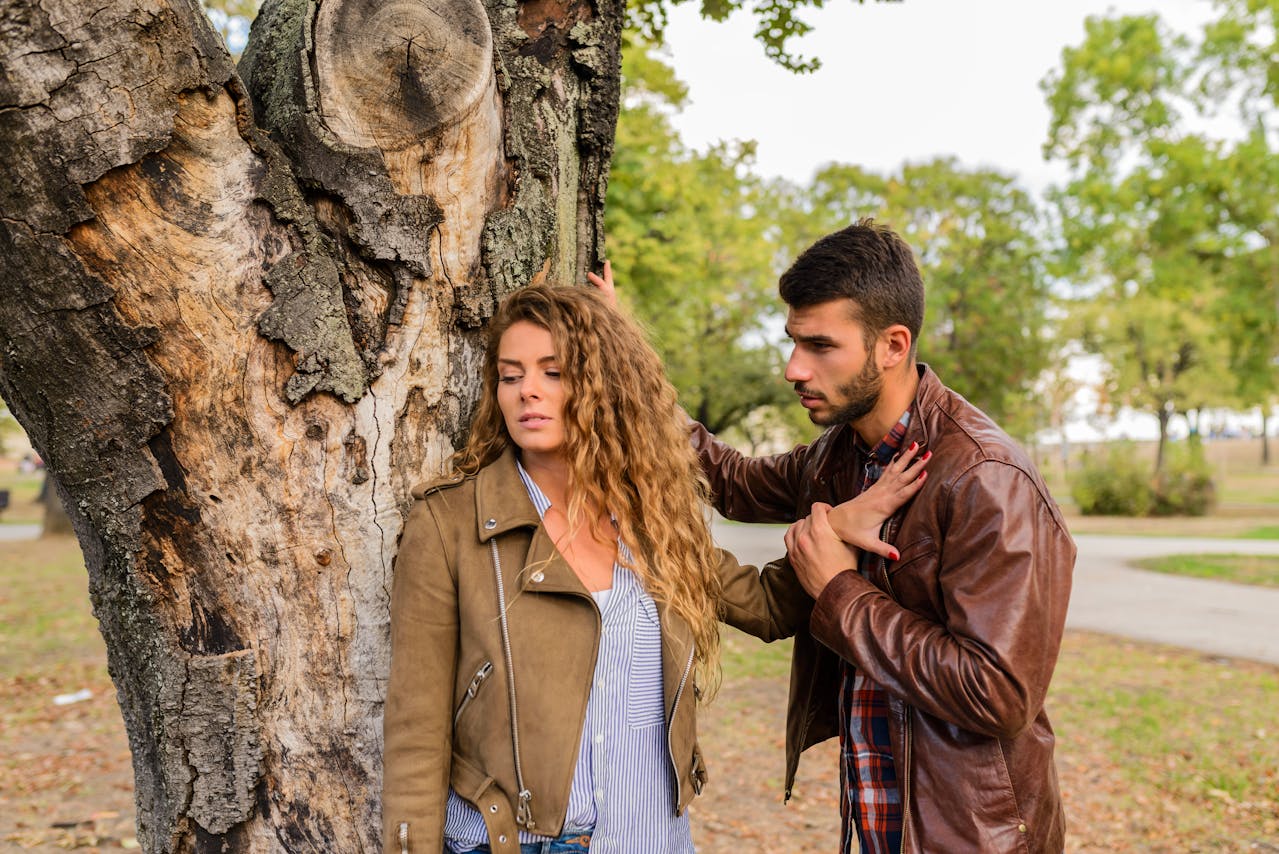
1. The Red Flags You Explained Away But Shouldn’t Have
One of the biggest lessons your last relationship may have taught you is that red flags rarely appear all at once.
They often show up quietly, disguised as small discomforts, minor disappointments, or behavior you convince yourself is “not that serious.”
Maybe they were inconsistent.
Maybe they made promises they rarely kept. Maybe they dismissed your feelings, avoided accountability, or made you feel like asking for basic respect was too much.
At the time, you may have explained it away.
You told yourself they were stressed. You believed they would change.
You focused on their potential instead of their pattern. You held onto the good moments so tightly that you ignored the painful ones.
But love should not require you to constantly negotiate with your own discomfort.
A red flag is not always a dramatic betrayal. Sometimes it is a repeated feeling of confusion.
Sometimes it is realizing you are always the one apologizing, always the one adjusting, always the one trying to make things work.
The lesson is simple but powerful: when someone repeatedly shows you who they are, believe the pattern, not the promise.
2. Did You Ignore Your Gut Feeling? Here’s Why It Matters More Than You Think
Your intuition often notices emotional danger before your mind is ready to admit it.
That uneasy feeling you had in your last relationship may not have been random. It may have been your inner wisdom trying to protect you.
Maybe something felt off, but you could not explain it. Maybe their words sounded right, but their actions did not feel safe.
Maybe you felt anxious, insecure, or emotionally unsettled around them, even when nothing obvious had happened yet.
Many people ignore their gut feeling because they fear being unfair, insecure, dramatic, or overly sensitive. But intuition is not always loud.
Sometimes it whispers through discomfort, tension, hesitation, or emotional exhaustion.
Of course, it is important to know the difference between anxiety and intuition.
Anxiety often creates fear without evidence. Intuition often notices patterns before you consciously connect the dots.
If your body felt tense around someone, if you constantly felt like you had to prepare for disappointment, or if peace felt impossible in that relationship, your gut may have been telling you the truth long before your heart accepted it.
Next time, do not silence your inner warning system just because you want the relationship to work.
3. The Patterns You Keep Attracting Are Not a Coincidence
If your last relationship felt painfully similar to one before it, that is worth paying attention to.
Sometimes, we do not just choose people. We choose emotional patterns that feel familiar.
You may keep attracting emotionally unavailable partners. You may find yourself drawn to people who need fixing, chasing, proving, or rescuing.
You may mistake inconsistency for excitement because stability feels unfamiliar.
This does not mean you are responsible for someone else’s hurtful behavior.
But it does mean your healing requires honest reflection.
Ask yourself: what did I tolerate because it felt familiar? What did I call love because I had experienced it before?
What kind of behavior did I normalize even though it hurt me?
Sometimes, the relationship pattern is not about who keeps choosing you. It is about who you keep making room for.
Breaking the cycle begins when you stop asking, “Why do they keep treating me this way?” and start asking, “Why did I keep accepting this as love?”
4. The Love-Bombing Trap That Felt Like a Fairytale
Love-bombing can feel intoxicating in the beginning.
Constant attention, intense compliments, fast commitment, big promises, and overwhelming affection can make you feel chosen, desired, and special.
But intensity is not always intimacy.
Your last relationship may have taught you that someone can come on strong without being emotionally stable.
They may say everything you want to hear before they have built the character to follow through.
Healthy love develops with consistency, honesty, respect, and time.
Love-bombing rushes emotional attachment before trust has been earned.
If someone tries to move too fast, declares deep love before truly knowing you, pressures you into commitment, or makes you feel guilty for needing time, pay attention.
The beginning of a relationship should feel exciting, but it should also feel grounded. You should not feel swept away so quickly that you lose your ability to think clearly.
Next time, do not confuse emotional intensity with emotional safety.
5. The Communication Clues You Wish You Had Paid Attention To
Communication reveals the future of a relationship faster than almost anything else.
Your last relationship may have shown you that love is not enough when communication is unhealthy.
Pay attention to how someone handles disagreement.
- Do they listen, or do they attack?
- Do they take responsibility, or do they blame you?
- Do they want understanding, or do they only want control?
Poor communication can look like stonewalling, silent treatment, defensiveness, gaslighting, yelling, sarcasm, avoidance, or constantly turning the issue back on you.
If you often felt afraid to express your needs, that was a sign.
If every conversation became an argument, that was a sign. If you had to carefully choose every word to avoid upsetting them, that was a sign.
Healthy communication does not mean you never disagree.
It means both people can talk through tension without destroying each other emotionally.
In your next relationship, notice whether communication brings clarity or confusion.
A healthy partner may not always agree with you, but they will care about understanding you.
6. Were You Settling Without Realizing It?
Sometimes, people settle not because they have low standards, but because they are tired.
Tired of dating. Tired of being alone. Tired of starting over. Tired of hoping for something better.
Your last relationship may have taught you that loneliness can make bare minimum effort look impressive.
You may have accepted inconsistency because at least they were there sometimes.
You may have tolerated emotional distance because they occasionally showed affection.
You may have ignored incompatibility because you wanted the relationship to become what you imagined it could be.
Settling often sounds like:
- “At least they don’t cheat.”
- “Nobody is perfect.”
- “Maybe I’m asking for too much.”
- “They might change eventually.”
- “I don’t want to start over.”
But you are not asking for too much when you want respect, effort, honesty, emotional safety, and consistency.
The lesson is this: do not lower your standards just to keep someone who is not meeting your needs.
7. The Boundaries You Didn’t Have But Need Next Time
Boundaries are not walls. They are standards that protect your peace, emotional health, and self-respect.
Your last relationship may have revealed that your boundaries were too flexible.
Maybe you allowed disrespect because you did not want conflict. Maybe you gave too many chances.
Maybe you ignored your own needs to keep the relationship alive.
When you do not have boundaries, love can become self-abandonment.
Healthy boundaries sound like:
- “I need consistency, not mixed signals.”
- “I will not stay in conversations where I am being insulted.”
- “I need honesty, even when the truth is uncomfortable.”
- “I will not keep proving my worth to someone who keeps devaluing me.”
- “I can love someone and still walk away if the relationship is hurting me.”
The right person will not punish you for having boundaries. They may not love every boundary, but they will respect your right to have them.
Next time, pay attention to how someone reacts when you say no. Their response will tell you a lot about their character.
8. What Healthy Love Actually Looks Like Because Chaos Isn’t Chemistry
If your last relationship was full of emotional highs and lows, healthy love may feel unfamiliar at first.
It may even feel boring because your nervous system has become used to chaos.
But peace is not boring. Stability is not a lack of passion. Consistency is not weakness.
Healthy love feels safe. It does not leave you constantly guessing where you stand.
It does not make you beg for basic respect. It does not make you feel like you have to earn kindness.
Healthy love includes:
- Consistent effort
- Emotional honesty
- Mutual respect
- Accountability
- Clear communication
- Shared values
- Peace after conflict
- Freedom to be yourself
A healthy relationship will not be perfect, but it will not constantly make you feel unsafe, unwanted, or uncertain.
Your last relationship may have taught you that butterflies are not enough. Sometimes, the real green flag is peace.
✅ The Questions You Must Ask Before Falling Too Fast Again
Before you give your heart to someone new, ask better questions.
Not just about their favorite food, hobbies, or dreams, but about their emotional maturity, values, and relationship patterns.
Early conversations can reveal a lot if you are willing to listen carefully.
Ask questions like:
- How do they handle conflict?
- Do their actions match their words?
- Are they emotionally available?
- Do they respect your boundaries?
- Can they apologize without making excuses?
- Do they speak respectfully about past partners?
- Are your values aligned?
- Do you feel calm or constantly anxious around them?
The goal is not to interrogate someone. The goal is to observe clearly before emotional attachment clouds your judgment.
Falling in love is beautiful, but falling too fast without paying attention can lead you back into familiar pain.
Next time, let trust build slowly. Let consistency prove what chemistry only suggests.
✅ Don’t Waste the Lesson: How to Break the Cycle for Good
Moving on is not the same as healing. You can stop talking to someone and still carry the same wounds into your next relationship.
Healing means becoming aware of what happened, what you ignored, what you need to change, and what you will no longer accept.
To break the cycle, you must be honest with yourself. Not cruel, not ashamed, but honest.
Ask yourself:
- What did this relationship reveal about my standards?
- Where did I abandon myself?
- What warning signs did I ignore?
- What do I need to heal before dating again?
- What will I do differently next time?
Your last relationship does not have to define your future. But it should inform it.
When you learn the lesson, you stop repeating the pain.
You stop mistaking inconsistency for love.
You stop chasing people who cannot meet you with maturity. You stop ignoring the signs your heart already recognizes.
Conclusion: Your Last Relationship Wasn’t Just Heartbreak — It Was a Lesson
Your last relationship may have hurt you, but it also taught you valuable lessons about love, boundaries, self-worth, communication, and emotional safety.
The pain you experienced does not have to be wasted.
It can become wisdom if you are willing to reflect honestly and choose differently next time.
Do not ignore the signs again just because someone feels familiar, exciting, or full of potential.
Pay attention to consistency. Listen to your intuition.
Notice how someone communicates, handles conflict, respects your boundaries, and makes you feel emotionally.
You are not starting over from nothing.
You are starting over with experience, clarity, and a deeper understanding of what you truly deserve.
The next relationship does not need to repeat the last one.
When you honor the lesson, protect your peace, and stop settling for almost-love, you make room for something healthier, safer, and more genuine.
FAQs About Learning From Your Last Relationship
1. What can your last relationship teach you?
Your last relationship can teach you about your emotional needs, boundaries, attachment patterns, communication style, and relationship standards. It can also reveal red flags you ignored, behaviors you tolerated, and qualities you should look for in a healthier partner next time.
2. How do I stop repeating the same relationship mistakes?
To stop repeating the same relationship mistakes, reflect honestly on your past patterns. Identify what you ignored, why you stayed, what attracted you to that person, and what boundaries you need moving forward. Healing, self-awareness, and stronger standards help break the cycle.
3. Why do I keep attracting the same type of partner?
You may keep attracting the same type of partner because familiar emotional patterns can feel comfortable, even when they are unhealthy. Sometimes people confuse chemistry with familiarity. Becoming aware of your patterns helps you choose compatibility, emotional safety, and consistency instead of repeating old pain.
4. What are signs I ignored in my last relationship?
Common signs include inconsistent effort, poor communication, emotional unavailability, disrespect, defensiveness, broken promises, lack of accountability, love-bombing, boundary-pushing, and feeling anxious or confused more often than secure. These signs often appear early but become clearer over time.
5. How do I know if I am ready for a healthier relationship?
You may be ready for a healthier relationship when you understand your past lessons, know your boundaries, no longer feel desperate to be chosen, and can recognize both red flags and green flags. Readiness means you are willing to choose peace, respect, and consistency over familiar chaos.

Grounded in faith and driven by purpose, I’m a Christian blogger and online research specialist with a passion for God’s Word, lifelong learning, and healthy living.