
Have you ever wondered what happens when hope meets despair?
Jeremiah 14 serves as a vivid representation of this conflict, depicting a nation grappling with a severe drought and seeking divine intervention.
This summary will delve into the emotional and theological depths of the chapter, revealing why it remains relevant today as we face our own challenges.
You will walk away with a clearer understanding of Jeremiah’s role as a prophet and the broader implications of his message for contemporary faith communities.
Jeremiah 14 Summary (Explained)
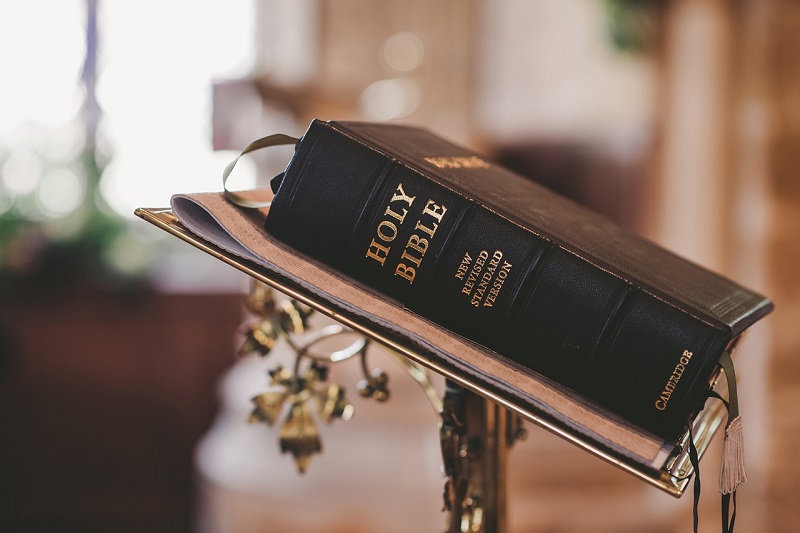
In Jeremiah 14, we witness a poignant portrayal of a nation in crisis, grappling with drought and divine silence.
The prophet Jeremiah intercedes for the people of Judah, expressing their desperation as they face both physical and spiritual barrenness.
The stark imagery of parched land and dying crops serves as a metaphor for the spiritual desolation sweeping through the community.
Here, the natural calamity reflects deeper moral failings, symbolizing a nation cut off from divine favor due to idolatry and sin.
What stands out in this chapter of Jeremiah 14 is the tension between hope and hopelessness.
While Jeremiah pleads for mercy, he is met with the harsh reality of God’s judgment, emphasizing the consequences of unrepentant behavior.
This duality invites readers to reflect on the importance of repentance and the need for authentic connection with the divine.
The chapter ultimately challenges us to consider how our actions can lead to desolation, not just physically but spiritually, urging a return to faith as the remedy for societal and personal droughts.
Through this lens, Jeremiah 14 becomes not just an ancient text, but a resonant call to self-examination and renewal.
✅ Jeremiah 14 Commentary (Key Verses)
Jeremiah 14 describes a severe drought in Judah, the people’s cries for help, false prophets, and God’s response to persistent rebellion.
This chapter highlights judgment, prayer, repentance, false teaching, suffering, mercy, and trust in God.
It reminds believers that while hardship may reveal spiritual need, true restoration comes through sincere repentance and trust in God.
A Severe Drought Comes Upon Judah
“The word of God that came to Jeremiah concerning the drought.” – Jeremiah 14:1 (WEB)
Commentary 1: The drought became a visible sign of the nation’s spiritual condition. Physical suffering reflected deeper issues of rebellion and separation from God.
Commentary 2: Believers are reminded that difficult seasons can reveal spiritual needs. Hardship often invites reflection, dependence, and renewed trust in God.
The Land Mourns Because of Drought
“Judah mourns, and its gates languish. They sit in black on the ground. The cry of Jerusalem has gone up.” – Jeremiah 14:2 (WEB)
Commentary 1: The drought affected every level of society, bringing sorrow and desperation. Human strength could not solve what the people faced.
Commentary 2: This verse reminds believers that earthly resources are limited. True hope is found in turning toward God during times of need.
People Search for Water but Find None
“Their nobles send their little ones to the waters. They come to the cisterns, and find no water.” – Jeremiah 14:3 (WEB)
Commentary 1: Judah’s leaders discovered that wealth and influence could not overcome the crisis. The drought revealed human helplessness apart from God.
Commentary 2: Believers are reminded not to place ultimate confidence in human ability. God alone provides lasting provision and security.
Even Creation Suffers
“Because of the ground which is cracked, for there has been no rain in the land, the plowmen are disappointed.” – Jeremiah 14:4 (WEB)
Commentary 1: The effects of sin and judgment touched the land itself. Brokenness spread through every part of daily life and work.
Commentary 2: This verse reminds believers that spiritual choices often affect wider communities and environments. Faithfulness to God influences more than personal life.
The People Cry Out to God
“Though our iniquities testify against us, work for your name’s sake, God.” – Jeremiah 14:7 (WEB)
Commentary 1: The people acknowledged their sin while pleading for mercy. Even during judgment, there remained an awareness that hope could still be found in God.
Commentary 2: Believers are reminded that confession matters. Honest repentance opens hearts to God’s grace and restoration.
God Is Called the Hope of Israel
“You hope of Israel, its Savior in the time of trouble.” – Jeremiah 14:8 (WEB)
Commentary 1: Jeremiah recognized God as the nation’s true source of rescue and hope. Even in crisis, God remained the One who could save.
Commentary 2: Believers are reminded that God remains dependable during uncertainty. He is a refuge in seasons of fear, hardship, and disappointment.
God Reveals the People Loved to Wander
“Thus says God to this people: ‘Even so they have loved to wander. They have not restrained their feet.’” – Jeremiah 14:10 (WEB)
Commentary 1: God exposed Judah’s repeated pattern of drifting away from Him. Their rebellion was not accidental but chosen repeatedly.
Commentary 2: This verse reminds believers to guard against spiritual drifting. Staying close to God requires intentional faithfulness and humility.
Jeremiah Is Told Not to Pray for Their Prosperity
“Don’t pray for this people for their good.” – Jeremiah 14:11 (WEB)
Commentary 1: This difficult statement revealed the seriousness of Judah’s hardened rebellion. The people had repeatedly rejected opportunities to repent.
Commentary 2: Believers are reminded not to take God’s patience lightly. His mercy is abundant, but hearts should respond while there is opportunity.
Fasting and Sacrifices Alone Would Not Help
“When they fast, I will not hear their cry; and when they offer burnt offering and meal offering, I will not accept them.” – Jeremiah 14:12 (WEB)
Commentary 1: Religious rituals without genuine repentance could not restore the relationship. God desired transformed hearts rather than empty actions.
Commentary 2: Believers are reminded that worship involves sincerity. True faith reaches beyond outward actions into wholehearted devotion.
False Prophets Spread False Hope
“The prophets tell them, ‘You shall not see the sword, neither shall you have famine; but I will give you assured peace in this place.’” – Jeremiah 14:13 (WEB)
Commentary 1: False prophets comforted people with messages that ignored reality and repentance. They offered peace without truth.
Commentary 2: Believers are reminded to seek wisdom and discernment. God’s truth may be difficult at times, but it always leads toward life.
God Rejects the Lies of False Prophets
“The prophets prophesy lies in my name. I didn’t send them.” – Jeremiah 14:14 (WEB)
Commentary 1: God strongly opposed those who falsely claimed His authority while misleading people. Spiritual deception carried serious consequences.
Commentary 2: Believers are reminded to measure teachings against God’s Word. Discernment protects hearts from deception.
Jeremiah Is Overwhelmed with Sorrow
“Let my eyes run down with tears night and day, and let them not cease.” – Jeremiah 14:17 (WEB)
Commentary 1: Jeremiah deeply grieved over Judah’s condition and coming suffering. His sorrow reflected genuine compassion for the people.
Commentary 2: Believers are reminded to care deeply for others. Compassion reflects God’s heart toward hurting and wandering people.
Jeremiah Questions Where Hope Can Be Found
“Are there any among the vanities of the nations that can cause rain? Or can the heavens give showers?” – Jeremiah 14:22 (WEB)
Commentary 1: Jeremiah declared that idols and false gods could not provide what only God could give. Hope remained rooted in the Creator alone.
Commentary 2: Believers are reminded that ultimate hope belongs in God. Human systems and false promises cannot replace His faithfulness.
✅ Jeremiah 14 Lessons & Takeaways
1. Hardship can reveal spiritual need
The drought exposed Judah’s dependence and weakness. Physical suffering revealed deeper spiritual problems.
Believers today are reminded that difficult seasons can become opportunities for spiritual growth. Hardship often leads hearts back toward dependence on God.
This lesson encourages reflection. God can use struggles to deepen faith.
2. God desires sincere repentance
The people prayed and fasted, but many hearts remained unchanged. Outward religion alone could not restore relationship with God.
Believers today are reminded that genuine repentance begins in the heart. God values sincerity more than religious appearance.
This lesson encourages authenticity. True worship flows from humble hearts.
3. False teaching is dangerous
False prophets gave comforting messages without truth. They ignored sin and falsely promised peace.
Believers are reminded to stay rooted in Scripture. Discernment protects faith from deception.
This truth encourages wisdom. God’s truth leads toward life and restoration.
4. God remains the true source of hope
Jeremiah recognized God as Israel’s Savior during trouble. No idol or earthly solution could replace Him.
Believers today are reminded that God remains faithful during uncertainty. He is the ultimate source of help and peace.
This lesson encourages trust. Hope grows stronger when rooted in God.
5. Compassion matters during suffering
Jeremiah wept over the people’s condition instead of becoming bitter. His sorrow reflected genuine care.
Believers are reminded to respond to suffering with compassion and prayer. God calls people to care deeply for others.
This lesson encourages empathy. Love reflects God’s heart.
Jeremiah 14 Summary (Conclusion)
Jeremiah 14 describes a severe drought that came upon Judah during a time of spiritual rebellion.
The land mourned as people searched desperately for water and relief.
The drought exposed human weakness and the seriousness of Judah’s sin.
The people cried out to God, acknowledging their wrongdoing and asking for mercy.
Jeremiah called God the hope and Savior of Israel during trouble.
Yet God explained that the people had continually wandered from Him.
Religious practices alone would not restore the relationship because true repentance was missing.
False prophets misled the people by promising peace instead of warning of judgment.
Jeremiah grieved deeply over the coming suffering.
The chapter closes with a declaration that only God could truly provide help and restoration.
Jeremiah 14 emphasizes repentance, truth, dependence on God, and spiritual sincerity.
It reminds believers to trust God fully, reject false hope, and seek Him with genuine hearts.
Frequently Asked Questions (FAQs) About Jeremiah 14
1. What is Jeremiah 14 about?
Jeremiah 14 is about a severe drought in Judah, the people’s cries for help, false prophets, and God’s response to rebellion.
2. Why was there a drought in Jeremiah 14?
The drought reflected Judah’s spiritual rebellion and served as a warning of coming judgment.
3. Why did God reject fasting and sacrifices?
God rejected them because the people practiced religion outwardly without genuine repentance.
4. What role did false prophets play in Jeremiah 14?
False prophets misled the people by falsely promising peace and denying the coming judgment.
5. What lesson does Jeremiah 14 teach today?
It teaches believers to trust God sincerely, pursue genuine repentance, avoid deception, and place hope in Him.
Other Blog Posts

Grounded in faith and driven by purpose, I’m a Christian blogger and online research specialist with a passion for God’s Word, lifelong learning, and healthy living.