
Have you ever wondered why some people seem to speak with wisdom and influence while others sow discord with just a few words?
James 3 provides timeless wisdom on the power of language and the responsibilities that come with it.
This summary will illuminate the teachings of James, exploring their implications for our daily interactions and guiding us towards more thoughtful and constructive dialogue.
James 3 Summary (Explained)
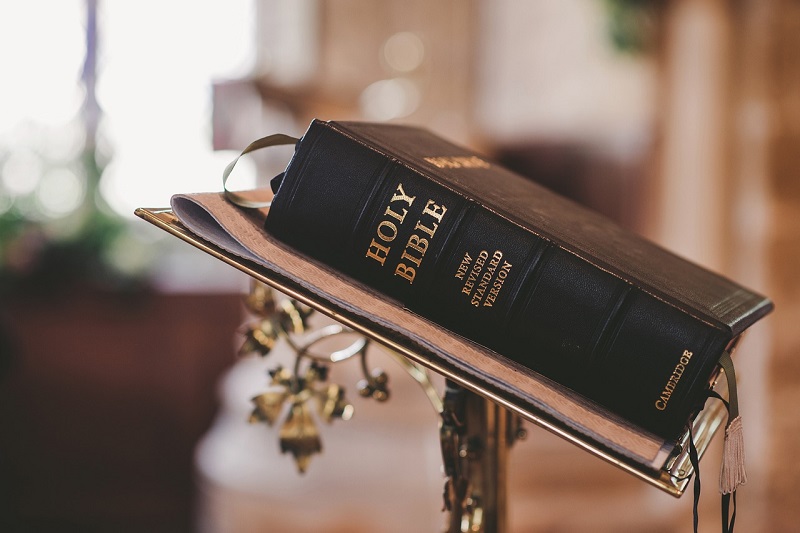
James 3 offers profound insights into the power and peril of the tongue, emphasizing how even small words can ignite significant turmoil.
The chapter illustrates the tongue’s dual nature — it can either bless or curse, highlighting our responsibility in shaping not only our conversations but also our communities.
This dichotomy serves as a reminder that our words are not merely expressions of thought; they hold the potential to construct or destroy relationships.
Furthermore, the passage delves into the wisdom that comes from humility versus the chaos stemming from envy and ambition.
It presents a compelling contrast between earthly wisdom, rife with selfish zeal, and the heavenly wisdom that manifests through purity, peace, and gentleness.
In reflecting on this, readers are encouraged to pursue a deeper understanding of how authentic communication fosters unity and spiritual growth.
Ultimately, the exhortations found in James 3 challenge us to consider the lasting impact of our dialogue, inviting us to wield our words with intention and grace.
✅ James 3 Commentary (Key Verses)
James 3 teaches believers about the power of the tongue, the responsibility of spiritual leadership, and the difference between earthly wisdom and wisdom that comes from God.
Throughout this chapter, James warns that words have the power to build up or destroy, illustrates the difficulty of controlling the tongue, and encourages Christians to pursue humility and godly wisdom.
It reminds believers that genuine faith is demonstrated through careful speech, righteous living, and wisdom that produces peace and good fruit.
Teachers Will Be Judged More Strictly
“Don’t let many of you be teachers, my brothers, knowing that we will receive heavier judgment.” – James 3:1 (WEB)
Commentary 1: James begins by reminding believers that teaching God’s Word is a serious responsibility. Those who instruct others are accountable not only for what they say but also for how they live.
Commentary 2: This passage encourages Christians to approach leadership with humility and reverence. Spiritual influence should always be exercised with wisdom, integrity, and faithfulness to God’s truth.
The Tongue Directs Our Lives
“If we put bits into the horses’ mouths so that they may obey us, we guide their whole body also.” – James 3:3 (WEB)
Commentary 1: James compares the tongue to a small bit that controls a powerful horse. Although the tongue is small, it has tremendous influence over the direction of a person’s life.
Commentary 2: Believers are reminded that their words matter. Speaking with wisdom, grace, and self-control reflects spiritual maturity and honors God in everyday conversations.
The Tongue Is Like a Small Fire
“See how a small fire can spread to a large forest! And the tongue is a fire.” – James 3:5-6 (WEB)
Commentary 1: James warns that careless words can cause enormous damage. Just as a small spark can destroy a forest, harmful speech can ruin relationships, reputations, and communities.
Commentary 2: Christians are encouraged to guard their speech carefully. Words should be used to encourage, comfort, and glorify God rather than to spread hurt or division.
No One Can Tame the Tongue Alone
“But nobody can tame the tongue. It is a restless evil, full of deadly poison.” – James 3:8 (WEB)
Commentary 1: James emphasizes humanity’s inability to control the tongue through personal effort alone. Lasting change requires God’s transforming work within the heart.
Commentary 2: Believers should continually seek the Holy Spirit’s help in controlling their words. As God changes the heart, He also changes the speech that flows from it.
Blessing and Cursing Should Not Come Together
“Out of the same mouth comes blessing and cursing. My brothers, these things ought not to be so.” – James 3:10 (WEB)
Commentary 1: James points out the inconsistency of praising God while speaking harshly to people made in His image. Genuine faith should produce consistent and gracious speech.
Commentary 2: This verse encourages believers to use their words in ways that reflect God’s love. Speech that honors God also blesses and encourages others.
A Tree Is Known by Its Fruit
“Can a fig tree, my brothers, yield olives, or a vine figs? Thus no spring yields both salt water and fresh water.” – James 3:12 (WEB)
Commentary 1: James illustrates that the nature of something is revealed by what it produces. In the same way, a believer’s words reveal the condition of the heart.
Commentary 2: Christians are encouraged to cultivate hearts filled with God’s truth. Pure hearts naturally produce speech that reflects kindness, wisdom, and integrity.
Show Wisdom Through Good Conduct
“Who is wise and understanding among you? Let him show by his good conduct that his deeds are done in gentleness of wisdom.” – James 3:13 (WEB)
Commentary 1: James teaches that true wisdom is demonstrated by actions rather than claims. Humility and good works are evidence of genuine spiritual maturity.
Commentary 2: Believers should pursue wisdom that shapes both character and conduct. A wise life consistently reflects gentleness, humility, and obedience to God.
Earthly Wisdom Produces Disorder
“For where jealousy and selfish ambition are, there is confusion and every evil deed.” – James 3:16 (WEB)
Commentary 1: James warns that worldly wisdom is driven by selfish ambition and envy. Such attitudes create disorder, conflict, and spiritual instability.
Commentary 2: Christians are encouraged to reject attitudes rooted in pride and competition. God calls His people to pursue peace, humility, and selfless love.
Wisdom from Above
“The wisdom that is from above is first pure, then peaceful, gentle, reasonable, full of mercy and good fruits.” – James 3:17 (WEB)
Commentary 1: James describes the beautiful characteristics of godly wisdom. Wisdom from God transforms both attitudes and actions, producing a life that honors Him.
Commentary 2: Believers are encouraged to seek heavenly wisdom rather than relying on human understanding. God’s wisdom leads to peace, compassion, and righteous living.
Peacemakers Sow Righteousness
“Now the fruit of righteousness is sown in peace by those who make peace.” – James 3:18 (WEB)
Commentary 1: James concludes by showing that those who pursue peace produce lasting spiritual fruit. God’s righteousness flourishes where peace and love are intentionally cultivated.
Commentary 2: Christians are called to become peacemakers in their homes, churches, and communities. Living in harmony reflects the wisdom and character of Christ.
✅ James 3 Lessons & Takeaways
1. Words have great power
James 3 repeatedly teaches that the tongue, though small, has enormous influence. Words can encourage, heal, or deeply wound those who hear them.
Believers today are reminded to speak with wisdom, grace, and self-control. Every conversation is an opportunity to honor God and bless others.
This lesson encourages thoughtful speech that reflects a transformed heart.
2. True wisdom is shown by humble living
James explains that wisdom is demonstrated through good conduct and gentleness rather than pride or self-promotion.
Believers today should pursue lives marked by humility, kindness, and faithful obedience to God’s Word.
This truth encourages Christians to let their actions match their profession of faith.
3. Earthly wisdom leads to conflict
Jealousy and selfish ambition create confusion and division. James warns that worldly thinking cannot produce lasting peace.
Believers today are called to reject selfish motives and pursue God’s wisdom instead.
This lesson encourages unity, humility, and Christ-centered living.
4. God’s wisdom produces good fruit
The wisdom that comes from above is pure, peaceful, gentle, merciful, and full of good fruit. It transforms every area of a believer’s life.
Christians should continually seek God’s wisdom through prayer and His Word.
This truth inspires righteous living that blesses both God and others.
5. Be a peacemaker
James concludes by encouraging believers to pursue peace and righteousness. Peacemakers reflect God’s character in the way they treat others.
Believers today can strengthen relationships by choosing forgiveness, humility, and loving speech.
This lesson inspires Christians to become instruments of peace wherever God places them.
James 3 Summary (Conclusion)
James 3 begins by warning that teachers carry greater responsibility because they will be judged more strictly.
James explains that the tongue, though small, has tremendous power to influence lives for good or evil.
He teaches that no one can fully tame the tongue without God’s help and warns against using the same mouth to bless God while cursing others.
The chapter compares people’s words to the fruit produced by trees and springs, showing that speech reflects the condition of the heart.
James contrasts earthly wisdom, which produces jealousy and disorder, with heavenly wisdom that is pure, peaceful, gentle, merciful, and full of good fruit.
He concludes by teaching that peacemakers sow righteousness in peace.
James 3 emphasizes wise speech, humility, godly wisdom, and peaceful living.
It reminds believers that mature faith is revealed through both gracious words and righteous actions.
Frequently Asked Questions (FAQs) About James 3
1. What is James 3 about?
James 3 teaches about controlling the tongue, the responsibility of teachers, and the difference between earthly wisdom and wisdom from God.
2. Why does James compare the tongue to a fire?
James uses the illustration to show that small words can have enormous consequences, either for good or for harm.
3. What is the wisdom from above in James 3?
It is wisdom that is pure, peaceful, gentle, reasonable, merciful, and full of good fruits, reflecting God’s character.
4. Why does James warn teachers?
Teachers have greater responsibility because they influence others with God’s Word and will receive stricter judgment.
5. What lesson does James 3 teach today?
It teaches believers to guard their speech, seek God’s wisdom, live humbly, and become peacemakers in their relationships.
Other Blog Posts

Grounded in faith and driven by purpose, I’m a Christian blogger and online research specialist with a passion for God’s Word, lifelong learning, and healthy living.