
Imagine facing an overwhelming enemy while clinging to your beliefs — this tension echoes throughout Isaiah 36.
The chapter unfolds a gripping account of King Sennacherib’s siege of Jerusalem and the audacious challenge he poses to the faith of the Israelites.
Understanding this confrontation is essential for grasping the broader narrative of redemption and divine faithfulness in the Bible.
Join us as we delve into this summary of Isaiah 36, unlocking its lessons that are strikingly applicable to today’s challenges.
Isaiah 36 Summary (Explained)
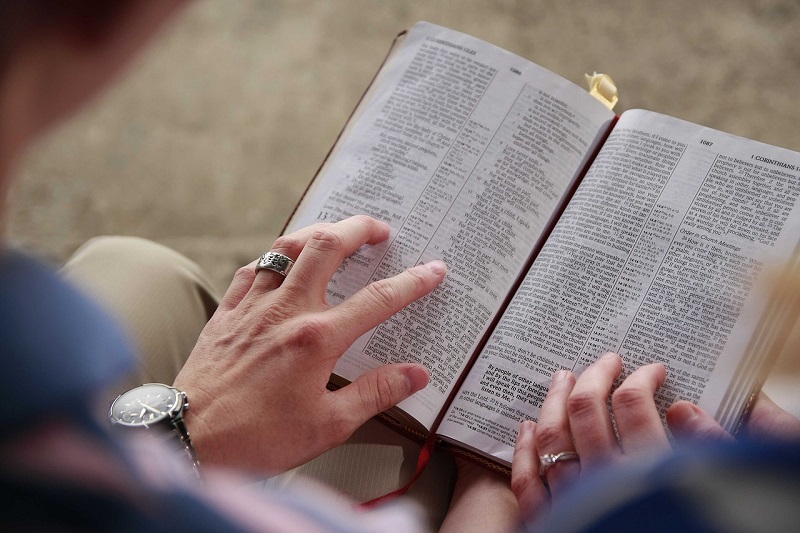
In Isaiah 36, the Assyrian emissary Rabshakeh delivers a chilling message to King Hezekiah of Judah, employing psychological warfare to undermine both the king’s authority and the faith of his people.
His rhetoric is crafted to evoke fear, discrediting God’s power by highlighting the futility of relying on divine support against such a formidable foe.
The vivid imagery he conjures serves as a potent reminder of the intense pressures faced during times of crisis and the challenge of maintaining faith in turmoil.
What stands out in this Isaiah 36 summary is not just the threat of invasion but the larger commentary on trust and vulnerability.
The negotiations between Rabshakeh and the representatives of Jerusalem reveal the broader implications of political alliances and spiritual allegiance.
This encounter forces us to confront our own moments of doubt and the external voices that seek to sway us from our convictions.
In a modern context, how often do we find ourselves wrestling with competing narratives that challenge our core beliefs?
Thus, Isaiah 36 invites readers to reflect on the importance of steadfast faith amidst uncertainty, prompting a renewed commitment to look beyond intimidation and doubt.
✅ Isaiah 36 Commentary (Key Verses)
Isaiah 36 describes the confrontation between the Assyrian army and Judah, highlighting intimidation, fear, and the challenge of trusting God in the face of overwhelming threats.
This chapter sets the stage for a spiritual test, showing how fear and doubt can be used to weaken faith, while calling believers to stand firm in their trust in God.
The Assyrian Threat Against Judah
“In the fourteenth year of King Hezekiah’s reign, Sennacherib king of Assyria attacked all the fortified cities of Judah and captured them.” – Isaiah 36:1
Commentary 1: This verse introduces a moment of national crisis, as a powerful enemy rises against Judah. It reminds believers that challenges and trials are a part of life, even for those who follow God.
Commentary 2: The strength of Assyria represents situations that seem overwhelming and impossible to overcome. Believers are encouraged to remember that no challenge is greater than God’s power.
The Field Commander’s Message
“On what are you basing this confidence of yours?” – Isaiah 36:4
Commentary 1: This question challenges the foundation of Judah’s trust, attempting to create doubt. It reflects how fear often begins by questioning faith and confidence in God.
Commentary 2: Believers face similar challenges when their faith is tested by circumstances or opposing voices. This verse encourages them to examine and strengthen their trust in God.
False Confidence Exposed
“Look, I know you are depending on Egypt… but it is a splintered reed of a staff.” – Isaiah 36:6
Commentary 1: The Assyrian commander points out the weakness of relying on human alliances. It highlights the danger of placing trust in worldly solutions instead of God.
Commentary 2: This serves as a reminder that human strength is unreliable compared to God’s power. Believers are encouraged to place their full trust in God rather than temporary supports.
Mocking Trust in God
“Who of all the gods of these countries has been able to save his land from me?” – Isaiah 36:20
Commentary 1: This statement mocks faith in God, attempting to weaken the people’s confidence. It reflects how doubt and fear can challenge belief during difficult times.
Commentary 2: Believers are reminded that God is unlike any other and cannot be compared to false gods. Trust in Him remains secure regardless of external threats.
The Call to Surrender
“Make peace with me and come out to me… then each of you will eat fruit from your own vine.” – Isaiah 36:16
Commentary 1: The enemy offers false promises of peace and prosperity to lure the people away from trusting God. It shows how temptation can appear attractive but lead to compromise.
Commentary 2: Believers are encouraged to discern between true peace from God and false security offered by the world. True peace comes only through faith in God.
The People Remain Silent
“But the people remained silent and said nothing in reply, because the king had commanded, ‘Do not answer him.’” – Isaiah 36:21
Commentary 1: The silence of the people reflects wisdom and restraint in the face of intimidation. It shows that not every challenge requires a verbal response.
Commentary 2: This moment teaches believers the value of trusting God rather than engaging with fear-driven voices. Sometimes, faith is expressed through quiet confidence and obedience.
Hezekiah’s Officials Report Back
“Then Eliakim… and Shebna… and Joah… went to Hezekiah, with their clothes torn, and told him what the field commander had said.” – Isaiah 36:22
Commentary 1: The torn clothes symbolize distress and urgency, showing the seriousness of the situation. It reminds believers that fear and concern are natural responses to challenges.
Commentary 2: This moment prepares the way for turning to God in the next chapter. Believers are encouraged to bring their fears to God rather than allowing them to lead to despair.
✅ Isaiah 36 Lessons & Takeaways
1. Faith is tested in difficult situations
The Assyrian threat created a moment of fear and uncertainty for Judah. It shows that faith is often tested during times of crisis.
Believers today can expect challenges that test their trust in God. These moments provide opportunities to grow stronger in faith.
2. Do not rely on human strength alone
The warning about Egypt highlights the weakness of human solutions. Trusting in worldly support without God leads to instability.
Believers are encouraged to depend on God above all else. His strength provides a firm and reliable foundation.
3. Fear often challenges faith
The enemy’s words were designed to create doubt and fear. This reflects how negative voices can influence belief.
Believers must guard their hearts and focus on God’s promises. Faith grows stronger when it resists fear.
4. Discern false promises
The offer of peace from the enemy was deceptive and misleading. It shows that not all opportunities are beneficial.
Believers should seek God’s wisdom in every decision. True peace comes from following His guidance.
5. Trust God even in silence
The people’s silence demonstrates faith and obedience under pressure. Sometimes the best response is to trust God quietly.
Believers can find strength in remaining steadfast and patient. God works on their behalf even when they do not respond.
Isaiah 36 Summary (Conclusion)
Isaiah 36 presents a tense moment in Judah’s history as the Assyrian army threatens Jerusalem.
Through intimidation and psychological pressure, the enemy attempts to weaken the people’s trust in God.
The chapter highlights the danger of relying on human strength and the importance of remaining faithful under pressure.
Despite the threatening words and fear, the people respond with silence, showing restraint and obedience.
This moment sets the stage for seeking God’s help and experiencing His deliverance.
For believers today, this chapter emphasizes the reality of spiritual testing and the need to stand firm in faith.
It encourages discernment, trust in God, and confidence in His power over every situation.
Ultimately, Isaiah 36 teaches that faith must remain strong even when circumstances appear overwhelming.
Frequently Asked Questions (FAQs) About Isaiah 36
1. What is Isaiah 36 about?
It describes the Assyrian threat against Judah and the attempt to weaken their faith through intimidation.
2. Who was Sennacherib?
He was the king of Assyria who attacked Judah during Hezekiah’s reign.
3. What was the field commander’s goal?
He aimed to create fear and doubt, encouraging Judah to surrender.
4. Why did the people remain silent?
They followed King Hezekiah’s command not to respond to the enemy.
5. What lesson does Isaiah 36 teach?
It teaches the importance of trusting God and resisting fear during difficult times.
Other Blog Posts

Grounded in faith and driven by purpose, I’m a Christian blogger and online research specialist with a passion for God’s Word, lifelong learning, and healthy living.