
A place can hold meaning far beyond its physical appearance.
An old family home, a piece of inherited land, or a burial ground may seem ordinary to outsiders, yet represent years of history and a connection that people are unwilling to lose.
This sense of connection provides an interesting perspective on Genesis 49:32, where Jacob refers to a particular burial place and how it was acquired.
Why was this detail important enough to mention in his final instructions?
Genesis 49:32 Meaning (What This Bible Verse Really Means)
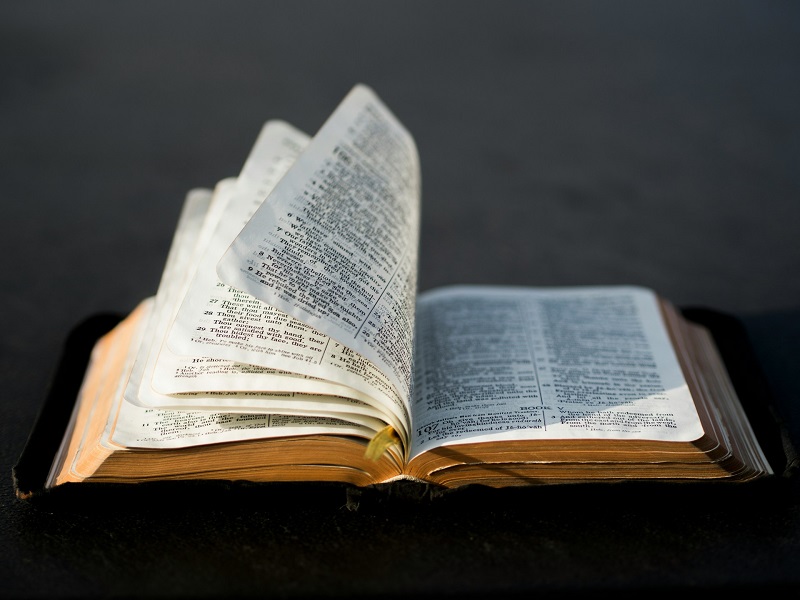
“The field and the cave that is therein were purchased from the children of Heth.” – Genesis 49:32 (WEB)
Genesis 49:32 refers to the burial property that Abraham purchased from the Hittites in the land of Canaan, where several members of Jacob’s family had already been buried.
The verse appears near the end of Jacob’s life, as he gives his sons final instructions about where they should bury him after his death.
Although the statement is brief, it carries considerable significance within the history of God’s covenant relationship with Abraham and his descendants.
The meaning of Genesis 49:32 becomes clearer when we understand why Jacob emphasizes that the field and its cave were purchased from the children of Heth.
He is referring to the cave of Machpelah, a burial place that had belonged to his family since Abraham acquired it following Sarah’s death.
The property was located in Canaan, the land God had promised to Abraham and his descendants.
At the time Jacob speaks these words, however, he and his family are living in Egypt.
Jacob knows that his life is approaching its end, and he wants his sons to understand that his final resting place should be among his ancestors rather than in the foreign land where he has spent his remaining years.
By mentioning the purchase of the field and cave, Jacob identifies a specific property that legitimately belongs to his family.
This detail connects his burial instructions with an earlier event in Genesis 23, when Abraham negotiated with the Hittites and paid for the land.
The purchase established a recognized family burial place in Canaan.
It also became a lasting reminder of the patriarchs’ connection to the land associated with God’s promises.
Genesis 49:32 therefore does more than provide historical information about a piece of property.
It reinforces the importance of family heritage, the continuity of God’s covenant promises, and Jacob’s desire to remain connected to the land of his ancestors.
The verse also prepares readers for the events of Genesis 50, when Joseph and his brothers carry out Jacob’s burial instructions.
At its heart, Genesis 49:32 shows that the burial place purchased by Abraham remained important to his descendants generations later.
Jacob’s reference to the field and cave reflects his determination to be buried within the family inheritance in Canaan, even though his death would occur in Egypt.
✅ Genesis 49:32 Explained (Breaking Down Each Part of the Verse)
“The field and the cave that is therein”
The opening words identify the property Jacob wants his sons to remember as they prepare for his burial.
The field and cave refer to the burial site known as the cave of Machpelah, located near Mamre in the land of Canaan.
The preceding verses already mention this location, where Jacob instructed his sons to bury him with his ancestors.
Genesis 49:30 identifies the cave as being in the field of Machpelah, which is before Mamre.
The field was not merely land surrounding the burial place.
It formed part of the property Abraham had acquired when he needed a place to bury his wife Sarah.
Genesis 23 records how Abraham approached the people of the land and requested a burial possession.
He eventually purchased the field belonging to Ephron, including the cave situated within it.
By the time Jacob gives his final instructions, this property has become an established burial place for several generations of his family.
Abraham and Sarah were buried there, as were Isaac and Rebekah.
Jacob also states in Genesis 49:31 that he buried Leah at the same location.
The reference to both the field and the cave is important because it identifies the complete property associated with these burials.
Jacob is not speaking vaguely about being buried somewhere in Canaan.
He is directing his sons to a particular place with a well-established family history.
The wording also emphasizes the continuity between Abraham’s original purchase and the burial arrangements being made generations later.
What began as a burial place for Sarah had become a shared resting place for members of the patriarchal family.
“were purchased”
The phrase “were purchased” draws attention to the legal acquisition of the property.
Jacob specifically reminds his sons that the field and cave had been bought rather than simply occupied or taken without agreement.
This detail refers back to the events recorded in Genesis 23.
After Sarah died, Abraham approached the Hittites and requested permission to obtain a burial place among them.
Ephron offered the field and cave, but Abraham insisted on paying the full price for the property.
Genesis 23:16 records that Abraham weighed out four hundred shekels of silver according to the amount agreed upon.
The transaction took place in the presence of witnesses, establishing the field and cave as Abraham’s possession.
This background explains why Jacob considers the purchase worth mentioning.
The property had a recognized history of ownership within his family.
Its significance did not depend only on the fact that several relatives were buried there.
It was also land that Abraham had formally acquired in Canaan.
Within the broader Genesis narrative, the purchase is especially noteworthy because Abraham had received God’s promise concerning the land, yet he lived much of his life there as a foreign resident.
The burial property became a small but tangible possession in the land associated with that promise.
Jacob’s reference to the purchase preserves this connection.
Although the family had moved to Egypt because of famine, the field and cave remained part of their history in Canaan.
The phrase therefore reinforces the legitimacy and continuing importance of the burial site.
“from the children of Heth”
The final words identify the people from whom Abraham acquired the property.
The “children of Heth” refers to the Hittites mentioned in Genesis 23.
They were among the inhabitants of Canaan during Abraham’s lifetime.
When Sarah died, Abraham approached these people to arrange for a burial place.
The biblical account describes Abraham interacting respectfully with the local community as he negotiated the purchase.
Ephron, the owner of the field containing the cave of Machpelah, was one of the people involved in the transaction.
The purchase was publicly recognized, with the details recorded in the presence of those gathered at the city gate.
By mentioning the children of Heth, Jacob connects his instructions to this earlier historical event.
The phrase identifies the original sellers and confirms that the burial property had been acquired through an established transaction.
It also reminds readers that Abraham and his descendants had a continuing relationship with the land of Canaan long before Jacob’s family settled in Egypt.
The property had been purchased during Abraham’s lifetime and remained meaningful through the generations of Isaac and Jacob.
This reference gives Jacob’s burial request a clear historical foundation.
He is asking to be buried in a place that his family already possesses and where his ancestors have been laid to rest.
The children of Heth are therefore mentioned not because they are the central subject of the verse, but because their role in the original purchase helps identify the property and its ownership.
✅ Genesis 49:32 Context (Understanding the Verse in Its Setting)
Genesis 49:32 belongs to the final section of Genesis 49, where Jacob gives instructions concerning his burial shortly before his death.
The chapter begins with Jacob gathering his twelve sons together to speak about their future.
His words include blessings, warnings, and declarations concerning the descendants who will come from each son.
These statements are significant because Jacob’s sons become the ancestors of the tribes of Israel.
After completing his declarations, Jacob turns his attention to what should happen to his body when he dies.
Genesis 49:29 records his instruction that his sons should bury him with his fathers in the cave located in the field of Ephron the Hittite.
He then identifies the location more precisely in Genesis 49:30.
The cave is in the field of Machpelah, near Mamre in Canaan, which Abraham purchased as a burial possession.
Genesis 49:31 adds further details about the family members buried there.
Jacob mentions Abraham and Sarah, Isaac and Rebekah, and Leah, his own wife.
These names show that the cave had become an important burial place for the patriarchal family.
Genesis 49:32 then repeats the fact that the field and cave were purchased from the children of Heth.
This statement serves to reinforce the identity and ownership of the burial site.
The background to this purchase is found in Genesis 23.
After Sarah died at Kiriath Arba, also known as Hebron, Abraham sought a permanent burial place for her.
He approached the Hittites and requested a suitable property.
Ephron offered the field containing the cave of Machpelah, and Abraham purchased it for four hundred shekels of silver.
The transaction was publicly acknowledged, and the field, cave, and associated trees became Abraham’s possession.
Sarah was then buried in the cave.
Later, Genesis 25:9 records that Isaac and Ishmael buried Abraham in the same location.
Genesis 35:29 describes Isaac’s death, while Jacob’s later instructions identify the cave as the burial place of Isaac and Rebekah.
By Genesis 49, the property has become closely associated with several generations of the family.
Another important part of the context is Jacob’s presence in Egypt.
Jacob had moved there after discovering that Joseph, the son he had long believed dead, was still alive.
Joseph had risen to authority in Egypt and had arranged for his family to settle there during a severe famine.
Although Jacob spent the final seventeen years of his life in Egypt, he did not want to be buried there.
His concern about burial had already appeared in Genesis 47:29-31, where he asked Joseph to promise that he would carry him out of Egypt and bury him in the resting place of his ancestors.
The instructions in Genesis 49 repeat and expand upon that earlier request.
They reveal how strongly Jacob associated his family identity with Canaan.
The land was central to the promises God had made to Abraham, Isaac, and Jacob.
Even though the family was living elsewhere, Jacob wanted his burial to reflect that continuing connection.
After Genesis 49:32, the next verse records Jacob’s death.
Genesis 50 then describes Joseph arranging for his father’s body to be prepared for burial and eventually taking him to Canaan.
The burial takes place in the cave of Machpelah, fulfilling the instructions Jacob had given.
Understanding this context shows that Genesis 49:32 is not an unrelated statement about an ancient land transaction.
It is part of Jacob’s final effort to ensure that his burial would connect him with his ancestors and the land associated with God’s covenant promises.
✅ Genesis 49:32 Lessons (What We Can Learn From This Verse)
1. God’s promises can remain significant across generations
Genesis 49:32 refers to a property purchased by Abraham long before Jacob’s final days.
The field and cave had passed through the family history, remaining important during the lifetimes of Isaac and Jacob.
Although the original purchase took place generations earlier, Jacob still regarded the property as meaningful.
This reminds Christians that God’s work is not always confined to a single generation.
The promises given to Abraham continued to shape the lives and decisions of his descendants.
Jacob’s desire to be buried in Canaan reflected his continuing connection to the land associated with those promises.
Believers can learn that faithfulness sometimes involves recognizing the importance of God’s purposes beyond their immediate circumstances.
What God begins in one generation may continue to influence those who come afterward.
2. Remembering our spiritual heritage can strengthen our sense of identity
Jacob’s reference to the burial property shows that he had not forgotten his family’s history.
He knew where his ancestors were buried and understood the importance of that location.
Even after spending years in Egypt, he wanted his final resting place to reflect his connection to Abraham and Isaac.
This provides a valuable lesson about remembering the spiritual foundations that have shaped our lives.
Christians can benefit from reflecting on the examples of faith, obedience, and perseverance found in Scripture and in the lives of faithful believers who came before them.
Such remembrance is not about treating the past as more important than the present.
It is about recognizing how earlier experiences and examples can provide wisdom for current decisions.
Jacob’s concern for his ancestral burial place illustrates how deeply family history can influence a person’s understanding of belonging.
3. Integrity in practical matters has lasting value
The purchase mentioned in Genesis 49:32 was a formal transaction between Abraham and the children of Heth.
Genesis 23 records that Abraham paid the agreed price for the property in the presence of witnesses.
The transaction established the field and cave as a recognized possession of his family.
Generations later, Jacob could still identify the property by referring to that purchase.
This demonstrates the lasting importance of handling practical matters carefully and honorably.
Christians are encouraged to act with integrity not only in spiritual activities but also in ordinary responsibilities involving property, agreements, and relationships.
Honest dealings can prevent confusion and provide stability for those who come afterward.
Abraham’s purchase illustrates how a practical decision made with care can remain beneficial long after the original participants have died.
4. Our present location does not erase our deeper commitments
Jacob was living in Egypt when he gave his final burial instructions.
He had spent the closing years of his life there and had experienced the joy of being reunited with Joseph.
Nevertheless, he wanted to be buried in Canaan.
His request reflected a connection that went beyond his immediate surroundings.
Canaan remained important because of his ancestors and the promises associated with their family.
For Christians, this offers a reminder that circumstances and surroundings do not necessarily determine a person’s deepest commitments.
Believers may experience changes in location, responsibilities, relationships, or personal circumstances.
Yet their commitment to God can remain central through those changes.
Jacob’s example encourages thoughtful consistency between what a person believes and the decisions that person makes.
5. Preparing for the future is an important responsibility
Genesis 49:32 forms part of Jacob’s careful instructions concerning his burial.
Rather than leaving his sons uncertain about his wishes, he identifies the location and explains its connection to the family.
His instructions are specific enough for his children to understand and carry out.
This highlights the value of preparing responsibly for matters that will affect others.
Christians can apply this principle by considering how their decisions, instructions, and responsibilities may influence their families after they are gone.
Thoughtful preparation can reduce confusion and help loved ones fulfill important obligations.
Jacob’s concern for his burial place also shows that practical arrangements can reflect deeply held convictions.
His final instructions were not merely about where his body would be placed.
They expressed the importance of his family history and his continuing identification with the land associated with God’s promises.
Genesis 49:32 Meaning (Conclusion)
The Genesis 49:32 meaning centers on the field and cave that Abraham purchased from the children of Heth as a burial possession in Canaan.
Jacob mentions this property while giving his sons final instructions concerning his burial.
The verse identifies the burial site as land that had been formally acquired by Abraham and preserved within the family across several generations.
Its importance becomes clearer when read alongside Genesis 23, where Abraham purchases the field and cave of Machpelah following Sarah’s death.
Over time, the location becomes the burial place of several members of the patriarchal family.
By the time Jacob approaches death, the cave represents a lasting connection with his ancestors.
Although he has spent his final years in Egypt, Jacob wants to be buried in the land associated with God’s promises to Abraham and his descendants.
His reference to the original purchase reinforces the legitimacy of the property and the continuity of his family’s relationship with Canaan.
Genesis 49:32 also illustrates how an event from an earlier generation can remain important long after it takes place.
Abraham’s decision to purchase a burial place became part of the family history that Jacob continued to honor.
The verse therefore brings together several important themes within Genesis: family heritage, rightful ownership, remembrance of ancestors, and the continuing significance of God’s covenant promises.
For Christians, the passage encourages reflection on the value of spiritual inheritance and the importance of making decisions that reflect enduring commitments.
It also reminds readers that seemingly ordinary historical details can carry meaning within the larger biblical narrative.
The purchase of a field and cave may appear to be a small event, but its significance extends through the lives of Abraham, Isaac, Jacob, and their descendants.
Genesis 49:32 ultimately points to the lasting connection between Jacob’s family and the land of Canaan.
Even as Jacob prepares to die far from that land, he remains determined that his burial should take place in the property his grandfather Abraham purchased and where his ancestors were laid to rest.
Frequently Asked Questions About Genesis 49:32
What does Genesis 49:32 mean?
Genesis 49:32 refers to the field and cave that Abraham purchased from the children of Heth in Canaan. Jacob mentions this property as part of his final burial instructions because it was the established burial place of his ancestors. The verse emphasizes the property’s recognized ownership and its importance within the family’s history.
What is the context of Genesis 49:32?
Genesis 49:32 appears near the end of Jacob’s life, after he has spoken to his twelve sons about their futures. He instructs them to bury him in the cave of Machpelah in Canaan, where several of his ancestors were buried. The verse confirms that the field and cave had been purchased from the children of Heth.
What field and cave are mentioned in Genesis 49:32?
The field and cave refer to the property at Machpelah, near Mamre in Canaan. Abraham purchased this property from Ephron the Hittite after Sarah’s death. It became an important burial place for members of the patriarchal family.
Who were the children of Heth in Genesis 49:32?
The children of Heth were the Hittites mentioned in Genesis 23. They were inhabitants of the land of Canaan during Abraham’s lifetime. Abraham negotiated with them when purchasing the field and cave of Machpelah for use as a family burial place.
Who purchased the field and cave mentioned in Genesis 49:32?
Abraham purchased the field and cave from Ephron the Hittite. Genesis 23 describes the transaction, which took place after the death of Sarah. Abraham paid four hundred shekels of silver for the property, establishing it as his burial possession.
Why did Abraham purchase the cave of Machpelah?
Abraham purchased the cave of Machpelah because he needed a burial place for his wife Sarah. He acquired the field containing the cave through a recognized transaction with Ephron the Hittite. The property later became a burial place for other members of Abraham’s family.
Who was buried in the cave of Machpelah?
According to Genesis 49:31, Abraham and Sarah, Isaac and Rebekah, and Leah were buried in the cave of Machpelah. Jacob also requested burial there, and Genesis 50 records that his sons fulfilled his instructions.
Why did Jacob want to be buried in Canaan instead of Egypt?
Jacob wanted to be buried in Canaan because it was the land associated with God’s promises to Abraham, Isaac, and their descendants. The cave of Machpelah was also the burial place of his ancestors. His request reflected his continuing identification with his family heritage despite living in Egypt.
How much did Abraham pay for the field of Machpelah?
Genesis 23:16 states that Abraham paid four hundred shekels of silver for the property. The transaction was conducted in the presence of the children of Heth and established Abraham’s ownership of the field and cave.
What is the significance of the cave of Machpelah in the Bible?
The cave of Machpelah is significant because it became the burial place of several biblical patriarchs and their wives. It was also a property Abraham formally purchased in Canaan, giving his family a recognized possession in the land associated with God’s covenant promises.
What happened after Genesis 49:32?
Genesis 49:33 records Jacob’s death after he finishes giving instructions to his sons. Genesis 50 then describes Joseph mourning his father, arranging for his body to be prepared for burial, and taking him to Canaan, where Jacob was buried in the cave of Machpelah.
What can Christians learn from Genesis 49:32?
Christians can learn the importance of remembering spiritual heritage, acting with integrity in practical matters, and maintaining commitments that reflect their faith. The verse also illustrates how decisions made by one generation can have lasting significance for future generations.
Other Blog Posts

Grounded in faith and driven by purpose, I’m a Christian blogger and online research specialist with a passion for God’s Word, lifelong learning, and healthy living.