
Imagine standing before an audience, knowing your words could seal your fate.
In Acts 7, Stephen does just that, delivering a stirring summary of Israel’s history while facing persecution.
This summary of Acts 7 is not just about Stephen’s courage; it’s a lens through which we can examine the broader conflict between faith and authority.
Dive into this article to explore the key elements of this chapter and discover why its lessons resonate powerfully in our modern world.
Acts 7 Summary (Explained)
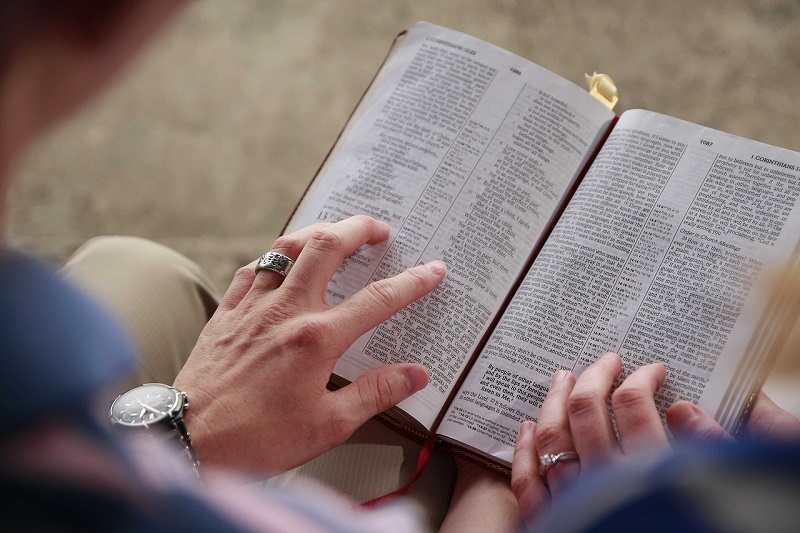
In Acts 7, we witness Stephen’s powerful defense before the Sanhedrin, where he masterfully recounts the history of Israel, shedding light on God’s faithfulness amid human resistance.
His speech serves not only to answer the charges against him but also to highlight a recurring theme in biblical history: the rejection of God’s chosen servants.
From Abraham to Moses and ultimately to Jesus, Stephen illustrates how prophets were often met with skepticism and hostility by their own people, calling into question the blinding effects of familiarity and tradition when it comes to recognizing divine authority.
As Stephen recounts these pivotal moments, he underscores that God’s plans extend beyond the confines of the Temple, challenging the deeply held beliefs of his audience.
This moment becomes a catalyst for reflection on how religious institutions can sometimes hinder personal encounters with the divine.
Stephen’s bold confrontation of the Sanhedrin culminates in his vision of the glorified Christ, which not only solidifies his faith but also serves as a prophetic invitation for others to embrace the broader, radical message of the Gospel.
This Acts 7 summary reveals the transformative power of faith and the perennial struggle against spiritual complacency.
✅ Acts 7 Commentary (Key Verses)
Acts 7 records Stephen’s powerful speech before the Sanhedrin and his unwavering faith even in the face of death.
This chapter highlights God’s faithfulness throughout history and calls believers to remain steadfast in truth.
It reminds believers that standing for God may come with challenges, but His presence and promises remain constant.
Stephen Begins His Defense
“The high priest said, ‘Are these things so?’ He said, ‘Brothers and fathers, listen. The God of glory appeared to our father Abraham when he was in Mesopotamia, before he lived in Haran, and said to him, “Get out of your land, and from your relatives, and come into a land which I will show you.”’” – Acts 7:1-3 (WEB)
Commentary 1: Stephen begins by reminding his listeners of God’s faithfulness from the very beginning. It encourages believers to trust that God has always been guiding His people with purpose and love.
Commentary 2: Reflecting on God’s past works strengthens faith in His present and future promises. Believers are inspired to remember how God has led them and trust Him moving forward.
God’s Promise to Abraham
“He gave him no inheritance in it, no, not so much as to set his foot on. He promised that he would give it to him in possession, and to his offspring after him, when as yet he had no child.” – Acts 7:5 (WEB)
Commentary 1: This passage highlights the importance of trusting God’s promises even when they are not immediately fulfilled. It encourages believers to walk by faith, knowing God is always faithful.
Commentary 2: God’s timing is perfect, and His promises never fail. Believers are reminded to remain patient and confident in His plan.
Joseph’s Story of Faithfulness
“The patriarchs, moved with jealousy against Joseph, sold him into Egypt. God was with him, and delivered him out of all his afflictions, and gave him favor and wisdom before Pharaoh, king of Egypt.” – Acts 7:9-10 (WEB)
Commentary 1: Joseph’s story shows that God remains present even in difficult and unjust situations. It encourages believers to trust that God is working for their good.
Commentary 2: God’s favor can turn hardship into opportunity and blessing. Believers are inspired to remain faithful, knowing God is always with them.
Moses Called by God
“When forty years were fulfilled, an angel of the Lord appeared to him in the wilderness of Mount Sinai, in a flame of fire in a bush. When Moses saw it, he wondered at the sight. As he came near to see, a voice of the Lord came to him, ‘I am the God of your fathers, the God of Abraham, Isaac, and Jacob.’ Moses trembled, and dared not look.” – Acts 7:30-32 (WEB)
Commentary 1: This moment reveals God’s holiness and His calling upon Moses’ life. It encourages believers to respond to God’s call with reverence and faith.
Commentary 2: God’s presence transforms ordinary moments into divine encounters. Believers are reminded that God is near and actively working in their lives.
God Sends Deliverance
“This Moses, whom they refused, saying, ‘Who made you a ruler and a judge?’ God has sent as both a ruler and a deliverer by the hand of the angel who appeared to him in the bush.” – Acts 7:35 (WEB)
Commentary 1: This verse shows that God often chooses unlikely people to accomplish His purposes. It encourages believers to trust that God can use anyone He calls.
Commentary 2: Rejection by others does not cancel God’s plan. Believers are inspired to remain confident in God’s calling.
Israel’s Resistance
“Our fathers wouldn’t be obedient to him, but rejected him, and turned back in their hearts to Egypt, saying to Aaron, ‘Make us gods that will go before us.’” – Acts 7:39-40 (WEB)
Commentary 1: This passage reminds believers of the danger of turning away from God. It encourages them to remain faithful and focused on Him.
Commentary 2: God’s patience is evident even when people fall short. Believers are encouraged to return to Him with sincere hearts.
The Most High Does Not Live in Temples
“However, the Most High doesn’t dwell in temples made with hands, as the prophet says, ‘Heaven is my throne, and the earth a footstool for my feet. What kind of house will you build me?’ says the Lord.” – Acts 7:48-49 (WEB)
Commentary 1: This truth reminds believers that God is not confined to physical places. He is present everywhere and accessible to all.
Commentary 2: God desires a relationship with His people, not just rituals. Believers are encouraged to worship Him with sincere hearts.
Stephen’s Bold Rebuke
“You stiff-necked and uncircumcised in heart and ears, you always resist the Holy Spirit! As your fathers did, so do you.” – Acts 7:51 (WEB)
Commentary 1: Stephen boldly spoke truth, even when it was difficult. It encourages believers to stand firm in their faith.
Commentary 2: Speaking truth can lead to opposition, but it honors God. Believers are inspired to remain courageous.
Stephen Sees God’s Glory
“But he, being full of the Holy Spirit, looked up steadfastly into heaven, and saw the glory of God, and Jesus standing on the right hand of God.” – Acts 7:55 (WEB)
Commentary 1: This moment shows the reward of faithfulness and the reality of God’s presence. It encourages believers to keep their focus on God.
Commentary 2: Seeing God’s glory gave Stephen strength and peace. Believers are reminded that God’s presence sustains them.
Stephen’s Final Prayer
“They stoned Stephen as he called out, saying, ‘Lord Jesus, receive my spirit!’ He kneeled down and cried with a loud voice, ‘Lord, don’t hold this sin against them!’ Having said this, he fell asleep.” – Acts 7:59-60 (WEB)
Commentary 1: Stephen’s prayer reflects forgiveness and trust in God even in his final moments. It encourages believers to show love and grace to others.
Commentary 2: His faithfulness demonstrates a deep relationship with God. Believers are inspired to live with that same devotion.
✅ Acts 7 Lessons & Takeaways
1. God is faithful throughout history
Acts 7 highlights how God has always guided and protected His people. His faithfulness remains constant across generations.
Believers today can trust that God is still at work. His promises continue to bring hope and assurance.
This strengthens faith and confidence. It reminds believers that God never changes.
2. Faith requires courage
Stephen boldly spoke the truth despite opposition. His example shows that courage is essential in following God.
Believers today may face challenges, but God provides strength. Standing firm in faith brings honor to God.
This encourages boldness and confidence. It reminds believers to trust God in every situation.
3. God’s presence brings peace
Stephen experienced peace even in the face of death. His focus on God gave him strength.
Believers today can experience that same peace. God’s presence comforts and sustains them.
This truth provides hope. It reminds believers that God is always near.
4. Forgiveness reflects God’s love
Stephen forgave those who harmed him. His example shows the power of grace.
Believers today are encouraged to forgive others. Forgiveness brings healing and freedom.
This reflects God’s character. It strengthens relationships and faith.
5. God’s glory is the ultimate reward
Stephen’s vision of God’s glory shows the reward of faithfulness. It reminds believers of the hope of eternal life.
Believers today can live with that hope. God’s promises bring encouragement and purpose.
This inspires perseverance. It reminds believers to keep their eyes on God.
Acts 7 Summary (Conclusion)
Acts 7 records Stephen’s defense before the Sanhedrin and his powerful testimony of God’s faithfulness.
He recounted Israel’s history, highlighting God’s guidance and the people’s resistance.
Stephen boldly spoke the truth, calling out their rejection of God’s messengers.
Despite opposition, he remained faithful and focused on God.
In his final moments, he saw God’s glory and prayed for those who were harming him.
Stephen became the first Christian martyr, demonstrating unwavering faith.
Acts 7 emphasizes courage, faithfulness, and trust in God.
It reminds believers that standing for truth may come with challenges.
The chapter encourages believers to remain steadfast and faithful.
Frequently Asked Questions (FAQs) About Acts 7
1. What is Acts 7 about?
It describes Stephen’s speech and his martyrdom for his faith.
2. Who was Stephen?
He was a faithful believer and one of the first deacons in the early church.
3. Why was Stephen persecuted?
He spoke boldly about Jesus and challenged the religious leaders.
4. What happened to Stephen?
He was stoned to death but remained faithful to God.
5. What lesson does Acts 7 teach today?
It teaches courage, faithfulness, and trust in God.
Other Blog Posts

Grounded in faith and driven by purpose, I’m a Christian blogger and online research specialist with a passion for God’s Word, lifelong learning, and healthy living.