
What does it mean to receive a special blessing after spending much of your life facing rejection and hardship?
For someone who has endured painful experiences, words of honor and favor can carry a significance that others may struggle to appreciate.
In Genesis 49:26, Jacob pronounces remarkable blessings upon Joseph, the son who had once been separated from his brothers.
His words raise an interesting question about Joseph’s unique position and the future being declared over him.
Genesis 49:26 Meaning (What This Bible Verse Really Means)
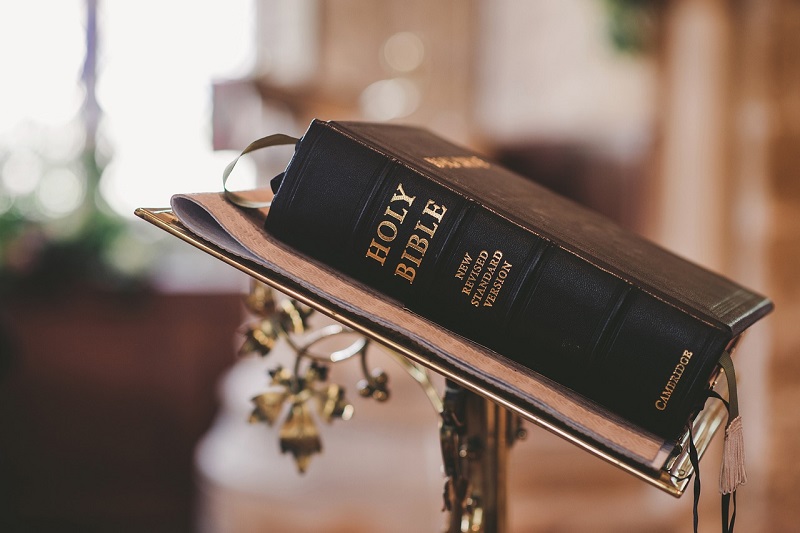
“The blessings of your father have prevailed above the blessings of my ancestors, above the boundaries of the ancient hills. They will be on the head of Joseph, on the crown of the head of him who is separated from his brothers.” – Genesis 49:26 (WEB)
Genesis 49:26 describes the extraordinary blessings Jacob pronounces upon his son Joseph, emphasizing their abundance, lasting significance, and connection to God’s faithfulness throughout the family’s history.
The verse forms the conclusion of Jacob’s extended blessing upon Joseph, one of the most important figures in the final chapters of Genesis.
As Jacob approaches death, he gathers his twelve sons and speaks concerning their futures and the generations that will descend from them.
His words to Joseph are particularly remarkable.
Unlike some of his brothers, who receive brief declarations or warnings concerning their behavior, Joseph receives an extended blessing filled with images of fruitfulness, strength, protection, and abundance.
Genesis 49:26 brings these themes together by describing blessings that surpass those associated with earlier generations.
Jacob declares that the blessings of his father have prevailed above the blessings of his ancestors.
He then uses the imagery of ancient hills to communicate the greatness of these blessings.
Finally, he announces that they will rest upon Joseph, whom he describes as separated from his brothers.
The meaning of Genesis 49:26 becomes clearer when we consider Joseph’s remarkable life.
Joseph had experienced rejection, betrayal, slavery, false accusation, and imprisonment.
His brothers had sold him into slavery, separating him from his father and the family he had known.
Yet those painful circumstances did not prevent God from working through his life.
In Egypt, Joseph eventually rose to a position of authority under Pharaoh.
Through the wisdom God gave him, Joseph helped prepare Egypt for a devastating famine.
His position also enabled him to preserve the lives of his brothers and their families when they came to Egypt seeking food.
By the time Jacob speaks the words of Genesis 49:26, Joseph has become an important instrument of provision for the entire household.
The blessings Jacob pronounces therefore come after years of suffering and unexpected developments.
Joseph’s life demonstrates that difficult circumstances do not necessarily reveal the outcome of a person’s story.
The verse also emphasizes the relationship between Joseph’s blessing and the promises God had made to Abraham, Isaac, and Jacob.
These promises concerned descendants, land, and the continuing development of the covenant family.
Jacob’s declaration looks beyond Joseph’s immediate circumstances toward the future associated with his descendants.
Joseph’s two sons, Ephraim and Manasseh, would later become important tribal groups within Israel.
The description of Joseph as one who was separated from his brothers also recalls his unusual place within the family.
He had been physically separated from them for many years, and his experiences had distinguished him from the rest of Jacob’s sons.
Despite that separation, Joseph became the means through which his family survived the famine.
Genesis 49:26 therefore presents a blessing that is deeply connected to Joseph’s past while looking toward the future of his descendants.
At its heart, the verse reveals Jacob’s recognition of God’s abundant provision in Joseph’s life and his desire that those blessings continue upon the son who had endured so much.
✅ Genesis 49:26 Explained (Breaking Down Each Part of the Verse)
“The blessings of your father have prevailed above the blessings of my ancestors”
The opening statement compares the blessings Jacob pronounces with those associated with earlier generations of his family.
Jacob speaks as Joseph’s father, declaring that his blessings have prevailed above the blessings of his ancestors.
The language emphasizes greatness and abundance.
Within the context of Genesis, blessings hold considerable significance because of God’s covenant relationship with Abraham and his descendants.
God had promised Abraham that He would make him into a great nation and give his descendants the land of Canaan.
Those promises were reaffirmed to Isaac and later to Jacob.
Each generation experienced God’s provision and guidance in different ways.
Abraham received promises concerning descendants and land, even though he and Sarah waited many years for the birth of Isaac.
Isaac inherited the covenant promises and experienced God’s provision during his lifetime.
Jacob also received divine promises, including assurances concerning his descendants and the land associated with his ancestors.
Now, near the end of his life, Jacob speaks about blessings that exceed those of earlier generations.
The statement should be understood within the poetic language of his declaration.
It does not necessarily mean that Jacob possessed greater spiritual worth than Abraham or Isaac.
Neither does it suggest that God’s earlier promises were inadequate.
Instead, Jacob uses language of surpassing abundance to emphasize the greatness of the blessing he is pronouncing upon Joseph.
The preceding verse helps explain this emphasis.
Genesis 49:25 speaks about blessings from heaven above, the deep beneath, and the breasts and womb.
These expressions describe provision and fruitfulness in several dimensions of life.
Genesis 49:26 continues that language of abundance.
Jacob’s words suggest that the blessings associated with Joseph are extraordinary in their extent.
They also connect Joseph’s future with the continuing development of God’s promises to the patriarchal family.
This is important because Joseph’s descendants would eventually occupy a significant place among the tribes of Israel.
His sons Ephraim and Manasseh would become the ancestors of two important tribal groups.
The opening phrase therefore emphasizes the exceptional abundance of Jacob’s blessing while placing it within the larger history of God’s dealings with his family.
“above the boundaries of the ancient hills”
This phrase uses the imagery of ancient hills to describe the greatness of the blessings Jacob pronounces.
Hills and mountains are often associated with permanence, strength, and great age.
They appear to endure through generations, remaining in place while human lives come and go.
Jacob draws upon this familiar imagery to communicate something extraordinary about the blessing given to Joseph.
The expression suggests abundance that reaches beyond ordinary limits.
It continues the comparison introduced in the previous phrase, emphasizing how far-reaching Jacob considers these blessings to be.
The ancient hills also create a sense of duration.
Unlike human circumstances, which can change quickly, mountains and hills appear stable across long periods.
This imagery is especially meaningful when connected to the covenant promises that had continued through Abraham, Isaac, and Jacob.
God’s purposes for the family were not limited to one generation.
They extended into the future through their descendants.
However, it is important to recognize that the phrase is poetic rather than a literal geographical prediction.
Jacob is not identifying specific hills that Joseph will own.
Nor is he describing the physical height of a mountain as the precise measurement of Joseph’s blessing.
The language expresses the greatness and far-reaching character of what Jacob is declaring.
Different Bible translations render this part of the verse somewhat differently because the underlying Hebrew wording is difficult.
Some translations emphasize the surpassing greatness of the blessings, while others use language associated with everlasting hills.
The central image remains one of extraordinary magnitude and enduring significance.
Within Genesis 49, this expression contributes to the portrayal of Joseph as receiving a particularly abundant blessing.
It also prepares readers for the next statement, which declares that these blessings will rest upon Joseph himself.
“They will be on the head of Joseph”
The next phrase identifies Joseph as the recipient of the blessings Jacob has described.
The word “they” refers to the blessings mentioned in the preceding statements.
Jacob declares that these blessings will be upon Joseph’s head.
In biblical language, placing something upon a person’s head can symbolize honor, favor, responsibility, or a special designation.
Here, the expression portrays Joseph as the one upon whom the declared blessings will rest.
The imagery is personal.
Jacob is not merely speaking about prosperity in an abstract sense.
He is directing the blessing toward a particular son whose life has been marked by unusual experiences.
Joseph had endured years of suffering after being sold into slavery.
He had been separated from his father and brothers, falsely accused in Egypt, and imprisoned.
Yet he eventually became a ruler under Pharaoh.
His position allowed him to provide food during the famine and preserve the lives of his family.
Jacob’s declaration recognizes Joseph’s distinctive place within the household.
The blessing also has implications beyond Joseph’s individual life.
Genesis 48 records Jacob blessing Joseph’s sons, Ephraim and Manasseh.
He gave them a special place within the family, treating them as his own sons for purposes connected to the family inheritance.
This arrangement would later become important in the tribal structure of Israel.
Consequently, the blessings pronounced upon Joseph can also be understood in relation to the future of his descendants.
The phrase does not mean that Joseph would never experience further difficulties.
It describes the favor and abundance Jacob declares over him and his family line.
The imagery of blessings resting upon Joseph’s head emphasizes the personal and lasting significance of Jacob’s words.
“on the crown of the head of him who is separated from his brothers”
The final phrase describes Joseph as one who was separated from his brothers.
This is one of the most meaningful expressions in the verse because it connects Jacob’s blessing to Joseph’s personal history.
Joseph’s separation from his brothers began with jealousy and betrayal.
Genesis 37 records that Jacob loved Joseph and gave him a special garment.
Joseph’s brothers resented the favoritism shown toward him.
Their hostility increased after Joseph shared dreams suggesting that his family would one day bow before him.
Eventually, his brothers plotted against him.
They sold him to traders who took him to Egypt, separating him from his family for many years.
During that period, Jacob believed Joseph was dead.
Joseph experienced slavery and imprisonment before rising to authority in Egypt.
His separation was therefore both painful and significant.
However, the expression translated as “separated from his brothers” may carry more than one shade of meaning.
The Hebrew wording can also suggest someone distinguished or set apart from others.
Some translations reflect this by describing Joseph as a prince among his brothers or as one distinguished from them.
This interpretation fits Joseph’s later position of authority.
Although his brothers had rejected him, Joseph eventually became a ruler in Egypt.
When they came seeking food, they bowed before him without initially recognizing who he was.
The dreams that had contributed to their jealousy were fulfilled through these events.
The expression may therefore recall both Joseph’s painful separation and the distinctive position he eventually occupied.
The image of the crown of his head further emphasizes the blessing resting upon him.
It does not necessarily refer to Joseph wearing a literal royal crown.
Rather, it is part of the poetic language describing the honor and favor associated with him.
The final phrase is particularly powerful because Joseph’s earlier separation had seemed to bring loss and suffering.
Yet the same man who had been rejected by his brothers became the means through which their lives were preserved.
Genesis 49:26 closes Joseph’s blessing by recognizing his unusual place within the family and declaring abundant blessings upon him.
✅ Genesis 49:26 Context (Understanding the Verse in Its Setting)
Genesis 49:26 appears near the conclusion of Jacob’s final declarations to his twelve sons.
The chapter records Jacob gathering his children shortly before his death and speaking about their futures.
Joseph receives one of the longest and most favorable declarations in the chapter.
To understand why Jacob speaks about him in such extraordinary terms, it is helpful to examine Joseph’s history and the events leading to this moment.
Joseph was the son of Jacob and Rachel.
Rachel had experienced years of childlessness before giving birth to him.
Genesis 30:22-24 records Joseph’s birth and Rachel’s recognition of God’s involvement in answering her prayers.
Joseph later became especially beloved by Jacob.
Genesis 37 describes Jacob giving him a distinctive garment, which contributed to resentment among his brothers.
The relationship became more difficult when Joseph shared dreams that appeared to predict his future authority over his family.
His brothers reacted with jealousy and hostility.
Eventually, they plotted against him while he was visiting them in the fields.
Although some initially considered killing him, Joseph was instead sold into slavery.
He was taken to Egypt, where he became a servant in the household of Potiphar.
Despite his difficult circumstances, Genesis describes the Lord being with Joseph and causing his work to prosper.
Joseph eventually received responsibility over Potiphar’s household.
However, he was falsely accused by Potiphar’s wife and imprisoned.
While in prison, Joseph continued to experience God’s help.
He interpreted the dreams of Pharaoh’s cupbearer and baker, and his interpretations came to pass.
Later, Pharaoh experienced troubling dreams that none of his advisers could explain.
Joseph was brought from prison to interpret them.
He explained that Egypt would experience seven years of abundance followed by seven years of severe famine.
Joseph also recommended a plan for storing food during the years of abundance.
Pharaoh recognized his wisdom and appointed him to a position of authority over Egypt.
Joseph was thirty years old when he entered Pharaoh’s service.
During the years of abundance, he oversaw the collection and storage of food.
When the famine began, Egypt had provisions available.
The famine eventually affected Canaan, where Jacob and his family were living.
Jacob sent his sons to Egypt to purchase grain.
When they appeared before Joseph, they did not recognize him.
Joseph recognized them, however, and began a series of encounters that eventually led to the revelation of his identity.
During these events, Joseph tested his brothers and observed their concern for Benjamin, his younger brother.
Judah’s willingness to take responsibility for Benjamin demonstrated a significant change in the brothers’ behavior.
Joseph eventually revealed himself to them.
Genesis 45 records his emotional reunion with his brothers and his explanation that God had used the circumstances to preserve life.
He did not deny the wrongdoing they had committed.
Instead, he recognized that God had worked through the painful events to accomplish a larger purpose.
Joseph then arranged for Jacob and the rest of the family to move to Egypt.
When Jacob learned that Joseph was alive, he was overwhelmed.
He eventually traveled to Egypt and was reunited with his son.
Genesis 47:28 records that Jacob lived in Egypt for seventeen years and reached the age of 147.
As his death approached, Jacob began preparing his family for the future.
Genesis 48 describes him blessing Joseph’s two sons, Ephraim and Manasseh.
Jacob gave them a special place within the family and spoke concerning their descendants.
This event is particularly important because Joseph’s family line would later be represented through both sons in Israel’s tribal arrangements.
Genesis 49 then records Jacob gathering his twelve sons.
He begins by addressing Reuben, Simeon, Levi, and Judah before continuing through the other brothers.
The declarations differ considerably.
Some sons receive warnings connected to their earlier behavior, while others receive statements concerning future prosperity, strength, or leadership.
Joseph’s blessing begins in Genesis 49:22.
Jacob describes him as a fruitful vine whose branches extend over a wall.
The imagery emphasizes fruitfulness and growth.
Genesis 49:23 then recalls the hostility Joseph experienced, describing archers who attacked him and persecuted him.
This language corresponds with the opposition Joseph had faced throughout his life.
However, Genesis 49:24 declares that Joseph’s bow remained strong and that his hands were strengthened by the mighty God of Jacob.
The verse emphasizes divine help as the source of Joseph’s endurance.
Genesis 49:25 continues by describing blessings from the God of his father and the Almighty.
These include blessings associated with heaven, the deep, and fruitfulness.
Genesis 49:26 then brings the blessing to its conclusion.
Jacob declares that his blessings have prevailed above those of his ancestors and uses the imagery of ancient hills to emphasize their greatness.
He announces that these blessings will rest upon Joseph, the one separated or distinguished from his brothers.
The following verse, Genesis 49:27, contains Jacob’s declaration concerning Benjamin.
Genesis 49:28 then summarizes the entire series of blessings and identifies the sons as the twelve tribes of Israel.
Afterward, Jacob gives instructions concerning his burial in Canaan.
Genesis 49:33 records his death.
The wider biblical context shows that Joseph’s descendants would occupy a significant place in Israel’s history.
Ephraim and Manasseh became important tribal groups.
Their descendants received territories in the land of Canaan, and Ephraim later became particularly prominent among the northern tribes.
These developments help explain the significance of Jacob’s blessing upon Joseph.
The words of Genesis 49:26 are therefore not isolated expressions of affection.
They belong to a larger declaration concerning Joseph’s life, God’s provision, and the future of his descendants.
✅ Genesis 49:26 Lessons (What We Can Learn From This Verse)
1. Difficult circumstances do not prevent God from accomplishing His purposes
Joseph’s life provides one of the clearest examples in Genesis of a person experiencing suffering before receiving unexpected responsibility and influence.
He was betrayed by his brothers, sold into slavery, falsely accused, and imprisoned.
For many years, his circumstances appeared to move him farther away from the future suggested by his dreams.
Yet the biblical narrative repeatedly emphasizes God’s presence with him.
Joseph eventually became a ruler in Egypt and helped preserve many lives during the famine.
Genesis 49:26 reflects the remarkable outcome of that journey.
For Christians, this provides encouragement during difficult circumstances.
Suffering should not automatically be interpreted as evidence that God has abandoned someone.
The passage does not promise that every hardship will end in wealth, authority, or public recognition.
However, Joseph’s story demonstrates that God’s purposes can continue even when circumstances appear unfavorable.
Believers can learn to remain faithful while recognizing that they may not immediately understand the significance of what they are experiencing.
2. God’s blessings can extend beyond one generation
Jacob’s words in Genesis 49:26 connect Joseph’s blessing with the history of Abraham, Isaac, and Jacob.
The covenant promises had continued through successive generations.
Now Joseph and his descendants would occupy an important place within that continuing history.
Genesis 48 had already established a special position for Joseph’s sons, Ephraim and Manasseh.
The blessings pronounced in Genesis 49 therefore have implications beyond Joseph’s personal circumstances.
This reminds Christians that God’s work is not always limited to the lifetime of one individual.
A person’s faithfulness, decisions, and influence may affect future generations.
Parents and other family members can contribute to a spiritual legacy through instruction, example, encouragement, and responsible living.
However, the passage does not teach that spiritual faithfulness is automatically inherited.
Each generation remains responsible for its own response to God.
The broader lesson is that God’s purposes can unfold over long periods, and the influence of one life may extend beyond what that person can personally observe.
3. Being rejected by others does not determine a person’s worth
Genesis 49:26 describes Joseph as separated from his brothers.
His earlier separation had resulted from their jealousy and betrayal.
They rejected him and sold him into slavery, treating him as someone they no longer wanted within the family.
Yet their rejection did not determine the final direction of Joseph’s life.
He eventually became an important leader in Egypt and was able to provide for the very brothers who had mistreated him.
Jacob’s blessing recognizes Joseph’s distinctive position after those painful experiences.
For Christians, this offers a meaningful reminder about the limitations of human judgment.
Other people’s opinions, unfair treatment, or rejection do not establish a person’s ultimate value.
The Bible teaches that human beings should be treated with dignity and that wrongdoing should not be confused with rightful judgment.
Joseph’s example also encourages perseverance without allowing bitterness to control one’s response.
His later treatment of his brothers demonstrates the possibility of forgiveness and reconciliation, even after serious harm.
4. True strength involves remaining faithful through adversity
Joseph’s blessing in Genesis 49 emphasizes more than the abundance he eventually experienced.
The preceding verses also recall the hostility he endured and the strength God provided.
Joseph faced situations in which compromise, resentment, or despair might have seemed easier than remaining faithful.
Yet the narrative repeatedly portrays him acting with responsibility and integrity.
He resisted the advances of Potiphar’s wife, continued serving faithfully in prison, and used his authority in Egypt to prepare for the famine.
These actions reveal a kind of strength that goes beyond physical power.
For Christians, Joseph’s example encourages faithfulness during difficult seasons.
Strength may involve resisting temptation, carrying out responsibilities, or refusing to repay wrongdoing with further wrongdoing.
It can also involve continuing to serve others when circumstances are disappointing.
Genesis 49:26 celebrates Joseph’s blessing, but the surrounding narrative shows that his life was also marked by endurance.
The lesson is that spiritual maturity involves more than receiving favorable circumstances.
It includes remaining faithful through challenges.
5. Blessings should lead us to recognize God’s goodness rather than personal superiority
Jacob’s declaration emphasizes the extraordinary blessings associated with Joseph.
However, the preceding verses identify God as the source of Joseph’s strength and provision.
Joseph’s success in Egypt was not presented merely as the result of his intelligence or determination.
The narrative repeatedly describes God’s involvement in his circumstances.
Joseph himself recognized this when speaking to his brothers.
In Genesis 50:20, he acknowledged that although they had intended evil against him, God had worked through the situation to preserve many lives.
This perspective provides an important lesson for Christians.
Receiving opportunities, resources, influence, or success should not become a reason for arrogance.
Such circumstances can instead become opportunities for gratitude and responsible service.
Joseph used his position to preserve lives during the famine.
His story demonstrates how personal blessing can also benefit other people.
Genesis 49:26 encourages readers to recognize abundance while remembering the responsibility that accompanies it.
Genesis 49:26 Meaning (Conclusion)
The Genesis 49:26 meaning centers on the extraordinary blessings Jacob pronounces upon Joseph near the end of his life.
The verse describes blessings that surpass those associated with earlier generations and uses the imagery of ancient hills to emphasize their greatness.
Jacob then declares that these blessings will rest upon Joseph, whom he identifies as separated from his brothers.
This final description connects the blessing to Joseph’s remarkable personal history.
Joseph had experienced betrayal, slavery, false accusation, and imprisonment.
His brothers had rejected him and separated him from the family.
Yet those painful circumstances did not prevent God from working through his life.
Joseph eventually became a ruler in Egypt and played an important role in preserving his family during a severe famine.
Jacob’s blessing recognizes the extraordinary outcome of Joseph’s journey while looking toward the future of his descendants.
The verse also connects Joseph’s blessing to the covenant history of Abraham, Isaac, and Jacob.
God’s promises had continued through several generations, and Joseph’s family line would become an important part of Israel’s future.
The imagery of ancient hills emphasizes the greatness and enduring significance of the blessings being declared.
The statement about Joseph’s head portrays him as the recipient of these blessings.
The description of him as separated from his brothers recalls both the painful circumstances of his earlier life and the distinctive position he eventually occupied.
Together, these expressions create a powerful conclusion to Jacob’s blessing.
For Christians, Genesis 49:26 offers encouragement concerning God’s faithfulness through difficult circumstances.
It reminds readers that rejection and suffering do not necessarily determine the final outcome of a person’s life.
The passage also highlights the importance of perseverance, gratitude, and responsible use of the opportunities God provides.
Joseph’s story is not simply about moving from hardship to prosperity.
It is also about the preservation of life, the restoration of family relationships, and the continuation of God’s purposes through generations.
Genesis 49:26 ultimately presents Joseph as a man whose extraordinary blessings came after years of adversity.
Jacob’s final words honor his distinctive place within the family and anticipate the importance of his descendants.
The verse closes Joseph’s blessing with a reminder that God’s work can extend beyond painful experiences and produce results far greater than those involved could have anticipated.
Frequently Asked Questions About Genesis 49:26
What does Genesis 49:26 mean?
Genesis 49:26 describes Jacob pronouncing extraordinary blessings upon Joseph. He compares these blessings with those of earlier generations, uses the imagery of ancient hills to emphasize their greatness, and declares that they will rest upon Joseph, who had been separated from his brothers. The verse highlights Joseph’s distinctive place within the family and the future significance of his descendants.
What is the context of Genesis 49:26?
Genesis 49:26 appears at the conclusion of Jacob’s blessing upon Joseph. Jacob is addressing his twelve sons shortly before his death in Egypt. The preceding verses describe Joseph’s fruitfulness, the hostility he endured, God’s help, and abundant blessings. Genesis 49:26 brings these themes together before Jacob turns to Benjamin.
What does “the blessings of your father” mean in Genesis 49:26?
The expression refers to the blessings Jacob pronounces upon Joseph. Jacob speaks as Joseph’s father and connects his declaration with the blessings associated with earlier generations of the patriarchal family. The language emphasizes the extraordinary abundance of the blessing given to Joseph.
What does “above the boundaries of the ancient hills” mean?
The phrase uses poetic imagery to describe the greatness and far-reaching character of Joseph’s blessing. Ancient hills suggest strength, endurance, and great age. The wording emphasizes abundance rather than identifying a specific geographical boundary or mountain that Joseph would possess.
Why was Joseph blessed more than his brothers?
Genesis 49 gives Joseph an especially extensive blessing that reflects his distinctive experiences and the important future associated with his descendants. Joseph had endured serious hardship and later became instrumental in preserving his family during the famine. However, the chapter does not suggest that every other son was without significance or that Joseph’s blessing made him morally superior in every respect.
What does it mean that the blessings will be on Joseph’s head?
The expression means that Joseph is the recipient of the blessings Jacob has declared. Placing blessings upon someone’s head is figurative language emphasizing personal favor and honor. In this context, the declaration also has significance for Joseph’s descendants.
Why is Joseph described as separated from his brothers?
Joseph was separated from his brothers when they sold him into slavery and he was taken to Egypt. The underlying Hebrew expression can also suggest someone distinguished or set apart. The description may therefore recall both Joseph’s painful separation and the prominent position he eventually occupied.
Does Genesis 49:26 refer to Joseph becoming a ruler?
The verse does not explicitly describe Joseph’s appointment as a ruler, but its language is consistent with his distinctive position within the family. Joseph had already become a powerful official in Egypt, and the description of him as separated or distinguished from his brothers can be understood in light of that history.
Who were Joseph’s descendants?
Joseph’s two sons were Ephraim and Manasseh. Genesis 48 records Jacob blessing them and giving them a special place within the family. Their descendants later became important tribal groups within Israel.
What is the significance of Ephraim and Manasseh in Joseph’s blessing?
Ephraim and Manasseh became important representatives of Joseph’s family line within Israel. Jacob had already blessed them in Genesis 48. The blessings pronounced upon Joseph in Genesis 49 therefore have implications for the future of his descendants as well as his individual life.
Is Genesis 49:26 a prophecy?
Genesis 49:26 forms part of Jacob’s declarations concerning the future of his sons and their descendants. It contains poetic language about the abundance and significance of Joseph’s blessing. The verse is commonly understood as having a prophetic dimension because Jacob’s words look beyond Joseph’s immediate circumstances toward his family line.
How does Genesis 49:26 relate to God’s promise to Abraham?
The verse connects Joseph’s blessing with the history of the patriarchal family through whom God’s promises were being carried forward. Abraham received promises concerning descendants and land, and these promises continued through Isaac and Jacob. Joseph’s descendants would later occupy an important place among the tribes of Israel.
What happened immediately after Genesis 49:26?
Genesis 49:27 records Jacob’s declaration concerning Benjamin, his youngest son. Benjamin is compared to a ravenous wolf that devours prey and divides plunder. Genesis 49:28 then summarizes the blessings given to all twelve sons before Jacob provides his final burial instructions.
What can Christians learn from Genesis 49:26?
Christians can learn that God can work through difficult circumstances, that rejection does not determine a person’s worth, and that faithfulness during adversity is important. The verse also encourages gratitude for God’s provision and reminds readers that His purposes can continue through future generations.
Other Blog Posts

Grounded in faith and driven by purpose, I’m a Christian blogger and online research specialist with a passion for God’s Word, lifelong learning, and healthy living.