
Did you know that a single verse can redefine our understanding of existence?
Genesis 1:6 invites us to explore the delicate balance of creation — separating waters above from waters below.
The meaning of Genesis 1:6 resonates far beyond its biblical context, touching on themes of order and chaos that reflect our modern lives.
This article will guide you through its layered interpretations and their lasting impact on both theology and philosophy.
Genesis 1:6 Meaning (What This Bible Verse Really Means)
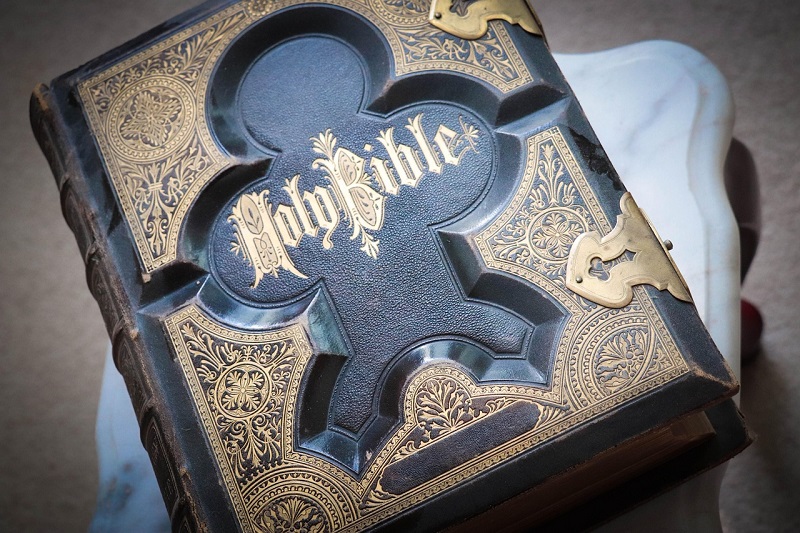
“God said, “Let there be an expanse in the middle of the waters, and let it divide the waters from the waters.”” – Genesis 1:6 (WEB)
Genesis 1:6 describes God commanding an expanse to exist in the middle of the waters so that the waters can be separated from one another during the second day of creation.
The verse shows God continuing to bring order to the created world through His spoken command.
After separating light from darkness on the first day, God now establishes another distinction within creation by commanding the formation of an expanse between the waters.
The meaning of Genesis 1:6 becomes clearer when we recognize that the verse records a divine command rather than a description of an event occurring independently of God.
God speaks, and the creation account presents His word as the authority through which the world is ordered.
The command “Let there be an expanse” introduces an important feature of the created world.
This expanse is established in the middle of the waters and serves the purpose of separating them.
The waters are no longer described simply as part of the undifferentiated scene introduced at the beginning of Genesis.
They are being arranged into distinct regions according to God’s command.
Another important aspect of Genesis 1:6 is the phrase “let it divide the waters from the waters.”
This statement identifies the purpose of the expanse within the creation narrative.
It is meant to establish a separation between the waters above and the waters below.
The following verse describes God making the expanse and accomplishing this separation.
Genesis 1:8 then records God naming the expanse “sky” and marking the completion of the second day.
The sequence demonstrates a repeated pattern throughout Genesis 1: God commands, His command is fulfilled, and the created world takes on an increasingly ordered structure.
Genesis 1:6 therefore teaches more than the existence of the sky.
It presents the Creator actively establishing distinctions within the world according to His purposes.
The verse also contributes to the larger progression of creation.
The expanse established on the second day becomes part of the environment described in later stages of the creation account.
At its heart, Genesis 1:6 teaches that God brings order to creation through His sovereign word.
The expanse and the separation it produces are presented as the result of God’s purposeful command, revealing His authority over the heavens and the earth.
✅ Genesis 1:6 Context (Understanding the Verse in Its Setting)
Genesis 1:6 appears in the opening chapter of Genesis, within the biblical account of God’s creation of the heavens and the earth.
The chapter describes creation unfolding through a sequence of divine commands, with God bringing light, establishing distinctions, and progressively ordering the world.
The immediate setting of Genesis 1:6 is the beginning of the second day of creation.
Before this point, Genesis 1:2 describes the earth as without form and empty, with darkness over the surface of the deep and God’s Spirit hovering over the waters.
This opening description introduces the waters as a prominent feature of the world before the distinctions recorded in the following verses.
On the first day, God commands light to exist.
Genesis 1:3 records His words, “Let there be light,” and light comes into existence.
God then separates the light from the darkness, calls the light “day” and the darkness “night,” and the first day concludes with evening and morning.
Genesis 1:6 begins the next stage of creation.
God commands an expanse to exist in the middle of the waters and declares that it should separate the waters from one another.
This command follows the same pattern established on the first day.
God speaks with authority, and His word initiates the ordering of creation.
Genesis 1:7 then describes God making the expanse and dividing the waters beneath it from the waters above it.
The verse concludes with the statement “and it was so,” confirming that God’s command has been fulfilled.
Genesis 1:8 follows by recording that God calls the expanse “sky.”
The second day then concludes with the familiar statement about evening and morning.
Understanding this immediate context is important because Genesis 1:6 does not stand alone as a statement about the physical properties of the sky.
It belongs to the larger biblical account of God bringing structure to the created world.
The separation of the waters on the second day parallels the separation of light and darkness on the first day.
Both events demonstrate the recurring theme of God establishing distinctions through His word.
The wider context of Genesis 1 also shows how the expanse relates to later stages of creation.
On the third day, God commands the waters beneath the sky to gather together so that dry land can appear.
Later in the chapter, the heavenly lights are described in relation to the expanse of the sky, and birds are created to fly above the earth across the sky.
These later events show that the expanse established on the second day belongs to the developing structure of the created world.
The creation narrative moves from establishing distinctions and environments toward filling the world with living creatures.
Within this broader setting, Genesis 1:6 emphasizes God’s authority to establish order through His command.
Reading the verse in context helps us recognize that its central concern is not to provide a detailed scientific explanation of the atmosphere.
Instead, it presents God as the sovereign Creator who orders the world according to His purposes.
✅ Genesis 1:6 Explained (Breaking Down Each Part of the Verse)
“God said”
The opening words of Genesis 1:6 introduce another divine command within the creation account.
The phrase “God said” appears repeatedly throughout Genesis 1 and establishes an important pattern in the narrative.
God speaks, and His creative purposes are accomplished.
This pattern first appears in Genesis 1:3, when God commands light to exist.
By Genesis 1:6, the same divine authority is being exercised in another stage of creation.
The emphasis is on the power and effectiveness of God’s word.
God does not need to struggle against another force or seek permission to establish the order He intends.
He speaks with the authority of the Creator.
The phrase also reinforces the relationship between God’s will and the structure of the created world.
Creation is not presented as something operating independently of Him.
The distinctions established within it result from His commands.
For readers of Genesis, these words introduce the next act in the unfolding work of creation and direct attention to God as the source of the order being established.
“Let there be an expanse in the middle of the waters”
This part of Genesis 1:6 records God’s command for an expanse to exist within the waters.
The word translated “expanse” comes from the Hebrew term raqia, which carries the idea of something spread out or extended.
In the creation account, this expanse is established between the waters and is later named “sky” in Genesis 1:8.
The phrase “in the middle of the waters” identifies the location and function of the expanse within the narrative.
It is placed between regions of water so that a distinction can be established.
The command is significant because the waters feature prominently in the opening description of the earth.
Genesis 1:2 describes darkness over the surface of the deep, with God’s Spirit hovering over the waters.
By Genesis 1:6, God begins establishing a separation within those waters.
This contributes to the movement from the initial description of the earth toward an increasingly ordered world.
The expanse is not presented as an accidental development.
It exists because God commands it to be established.
Although Christians and biblical scholars have interpreted the physical nature of the expanse in different ways, the central emphasis of the passage is clear.
God is the one who establishes it, and it serves a purpose within His creation.
“and let it divide the waters from the waters”
The final part of Genesis 1:6 explains the purpose of the expanse.
God commands it to divide the waters from one another.
The repetition of the word “waters” emphasizes that a distinction is being established between regions that the narrative has not yet described as separated in this way.
Genesis 1:7 clarifies the arrangement by identifying the waters beneath the expanse and the waters above it.
The expanse therefore serves as the separating feature between these two regions.
This act of separation is consistent with the pattern already established on the first day of creation.
God separates light from darkness, and now He commands a separation within the waters.
The repeated pattern demonstrates the importance of distinctions and order within the creation account.
The verse does not explain every physical detail of the waters above and below the expanse.
Different interpretations have been offered regarding their nature, including explanations involving atmospheric waters and the ancient biblical understanding of the heavens.
However, the immediate point of Genesis 1:6 is that God commands the separation.
The waters are not portrayed as existing beyond His authority.
They are being ordered according to His will.
This final phrase therefore reinforces the central message of the verse: God establishes structure within creation through His sovereign command.
✅ Genesis 1:6 Lessons (What We Can Learn From This Verse)
1. God brings order to His creation
Genesis 1:6 describes God commanding an expanse to exist between the waters so that they can be separated.
This act contributes to the larger pattern of order established throughout Genesis 1.
On the first day, God separates light from darkness.
On the second day, He commands a separation within the waters.
Both events show creation taking shape through distinctions established by God.
For Christians, this provides a reason to recognize God’s wisdom and authority as Creator.
The world is not presented as something beyond His control.
It is portrayed as the work of a sovereign God who establishes order according to His purposes.
2. God’s word has creative authority
Genesis 1:6 begins with the words “God said,” emphasizing the role of divine speech in the creation account.
God commands the expanse to exist, and the following verse describes His command being fulfilled.
This pattern demonstrates the effectiveness of God’s creative word.
Throughout Genesis 1, God speaks, and the world responds according to His command.
For Christians, this truth can strengthen confidence in God’s power and wisdom.
The verse reminds believers that God’s authority is not limited to expressing intentions.
His word accomplishes the creative purposes described in Scripture.
3. God’s authority extends over the heavens and the earth
The expanse in Genesis 1:6 is established because God commands it to exist.
The waters are also subject to His authority, as He determines how they will be separated.
This shows that the natural world belongs to the Creator rather than existing independently of Him.
The sky, the waters, and the other features of creation are all presented within the biblical account as subject to God’s will.
For Christians, recognizing this authority encourages humility and reverence.
Human beings inhabit a world they did not create and do not ultimately govern.
Genesis 1:6 reminds readers that the Creator stands above His creation and possesses authority over it.
4. God’s creative work unfolds with purpose
The command in Genesis 1:6 belongs to a larger sequence of creative acts.
The separation of the waters follows the separation of light and darkness and precedes the gathering of the waters and appearance of dry land.
Each stage contributes to the developing structure of the world.
The expanse established on the second day becomes part of the environment described in later stages of creation.
This progression emphasizes the coherence of God’s creative work.
Christians can respond by appreciating the wisdom and purpose reflected in the creation narrative.
Although the verse does not promise that every event in human life will follow a predictable sequence, it does present God’s work in creation as deliberate rather than meaningless.
5. Creation gives us reason to worship God
Genesis 1:6 directs attention to the God who commands the expanse to exist and establishes the separation of the waters.
The focus is not merely on the physical world but on the Creator who brings it into order.
This perspective can deepen a Christian’s appreciation of creation.
The sky above the earth and the waters within the world can serve as reminders of God’s power and wisdom.
Psalm 19:1 similarly declares that the heavens reveal the glory of God.
For Christians, the appropriate response to the created world is therefore not to worship creation itself, but to worship the God who made it.
Genesis 1:6 encourages reverence, gratitude, and recognition of the Creator’s greatness.
Genesis 1:6 Meaning (Conclusion)
The Genesis 1:6 meaning centers on God’s command to establish an expanse in the middle of the waters during the second day of creation.
God declares that an expanse should exist and that it should separate the waters from one another.
The verse introduces another important distinction within the created world.
Read in context, Genesis 1:6 follows the first day of creation, when God establishes light and separates it from darkness.
The second day continues this pattern of ordering through the command to separate the waters.
Genesis 1:7 then describes God making the expanse and dividing the waters beneath it from the waters above it.
Genesis 1:8 records God naming the expanse “sky” and marking the completion of the second day.
This sequence demonstrates the effectiveness of God’s word and the orderly progression of His creative work.
The expanse is not presented as something that develops independently of the Creator.
It is established through His command and serves a specific purpose within the creation narrative.
Genesis 1:6 also contributes to the broader message of Genesis 1: God is the sovereign Creator who brings structure and order to the heavens and the earth.
The distinctions within creation are established according to His purposes.
For Christians, the verse encourages confidence in God’s authority, appreciation of His wisdom, and reverence for His creative power.
It reminds readers that the natural world ultimately belongs to the God who made it.
Genesis 1:6 therefore invites us to recognize the Creator behind the ordered world described in Scripture.
The command to establish the expanse is one stage in the larger biblical account of God forming a world that will eventually be filled with vegetation, living creatures, and human beings.
Frequently Asked Questions About Genesis 1:6
What does Genesis 1:6 mean?
Genesis 1:6 means that God commanded an expanse to exist in the middle of the waters so that the waters could be separated from one another. The verse describes the beginning of the second day’s creative work and emphasizes God’s authority to establish order through His word.
What is the context of Genesis 1:6?
Genesis 1:6 occurs at the beginning of the second day of creation. It follows the first day, when God creates light and separates it from darkness. In the following verses, God makes the expanse, separates the waters above and below it, and names the expanse “sky.”
What is the expanse in Genesis 1:6?
The expanse is the feature God commands to exist between the waters. The Hebrew word translated “expanse” is raqia, and Genesis 1:8 identifies it as “sky.” Its immediate function is to separate the waters above from those below.
Why did God create an expanse in Genesis 1:6?
Genesis 1:6 states that the expanse was to divide the waters from one another. This separation forms part of God’s ordering of creation and establishes a distinction that contributes to the developing structure of the world.
What does “Let there be an expanse” mean?
The phrase records God’s command for an expanse to exist within the waters. It emphasizes His creative authority and continues the pattern throughout Genesis 1 in which God speaks and His commands are fulfilled.
What are the waters mentioned in Genesis 1:6?
The waters are part of the world described at the beginning of Genesis. In Genesis 1:6, God commands that they be separated by an expanse. Genesis 1:7 then distinguishes the waters beneath the expanse from those above it.
What happened on the second day of creation?
On the second day, God commanded an expanse to exist between the waters. He made the expanse, separated the waters beneath it from the waters above it, and called the expanse “sky.” The day then concluded with evening and morning.
What can Christians learn from Genesis 1:6?
Christians can learn that God is the sovereign Creator who brings order through His word. The verse encourages reverence for His authority, appreciation of His wisdom, and recognition that the natural world exists according to His creative purposes.
How does Genesis 1:6 fit into the overall creation story?
Genesis 1:6 introduces the creative work of the second day. The separation of the waters follows the separation of light and darkness on the first day and precedes the appearance of dry land on the third day, contributing to the structured progression of the creation account.
Other Blog Posts

Grounded in faith and driven by purpose, I’m a Christian blogger and online research specialist with a passion for God’s Word, lifelong learning, and healthy living.