
What if one verse could radically alter your perception of creation and your place within it?
Genesis 1:23 is often overlooked, yet its meaning shapes our understanding of time and existence.
In this article, we will dissect this powerful scripture and reveal insights that resonate with contemporary life and spirituality.
Prepare to engage with an ancient text that still holds the key to modern dilemmas.
Genesis 1:23 Meaning (What This Bible Verse Really Means)
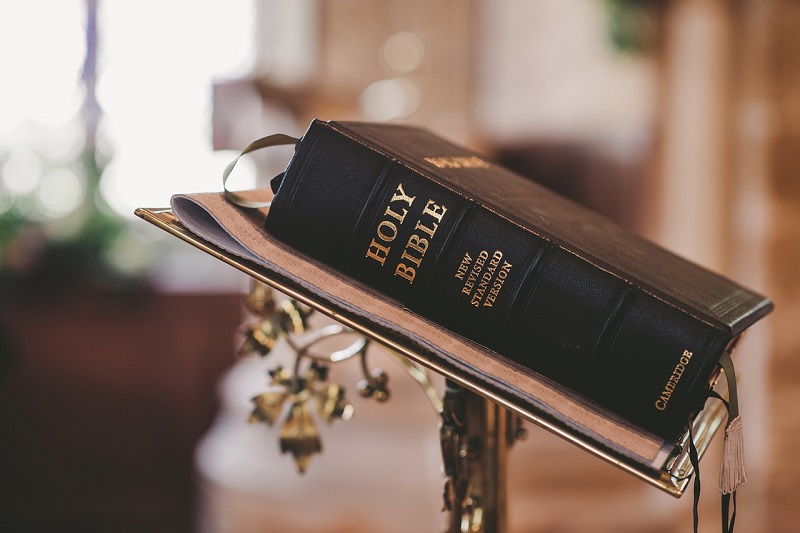
Genesis 1:23 says:
“There was evening and there was morning, a fifth day. – Genesis 1:23 (WEB)
Genesis 1:23 marks the conclusion of the fifth day in the biblical creation account.
Although the verse is brief, it completes an important stage in Genesis 1. During the fifth day, God fills the waters with living creatures and creates birds to fly across the sky.
The statement, “There was evening and there was morning,” follows a pattern repeated throughout the chapter.
This recurring expression gives the creation account a deliberate rhythm and marks the progression from one creation day to the next.
Genesis 1:23 therefore should be understood in connection with the events immediately preceding it.
God has created great sea creatures and other forms of aquatic life according to their kinds, along with every winged bird.
He then blesses these creatures and commands them to be fruitful, multiply, and fill the environments in which He has placed them.
The fifth day ends only after this work and blessing have been described.
The meaning of Genesis 1:23 therefore extends beyond simply identifying the end of another day.
It contributes to the chapter’s larger presentation of creation as orderly, purposeful, and governed by God.
For Christians, the verse can serve as a reminder that the stages of creation unfold according to God’s authority and that the creatures introduced on the fifth day belong within the good world He is forming and filling.
✅ Genesis 1:23 Explained (Breaking Down Each Part of the Verse)
Several parts of Genesis 1:23 help clarify what the verse is communicating.
“There was evening”
The reference to evening is part of the repeated formula used to conclude the creation days in Genesis 1.
Evening marks one part of the cycle by which the narrative identifies the passing of each day.
The same wording has already appeared after the first, second, third, and fourth days.
Its repetition creates a consistent structure and helps organize the sequence of God’s creative work.
“And there was morning”
Morning completes the repeated expression that marks the progression of the creation account.
Together, evening and morning distinguish the fifth day from the creative work that follows on the sixth day.
The phrase has also played an important role in discussions about how the creation days should be understood.
Some Christians interpret the evening-and-morning language as indicating ordinary days, while others understand the creation days differently. Whatever position is taken in that discussion, Genesis clearly uses the phrase as a recurring marker separating the stages of the creation account.
“A fifth day”
The verse identifies this period as the fifth day of creation.
The fifth day begins in Genesis 1:20 when God commands the waters to abound with living creatures and birds to fly above the earth.
Genesis 1:21 then describes God creating great sea creatures, other aquatic life, and winged birds according to their kinds.
Genesis 1:22 records God’s blessing upon them and His command that they be fruitful and multiply.
Genesis 1:23 closes this sequence and prepares the reader for the sixth day, when land animals and humanity will be created.
✅ Genesis 1:23 Context (Understanding the Verse in Its Setting)
Genesis 1:23 occurs at the end of the fifth day of creation.
To understand the verse, it is helpful to consider the pattern that has developed throughout Genesis 1.
During the earlier creation days, God forms different environments within the world.
He separates light from darkness, divides the waters, causes dry land to appear, produces vegetation, and appoints lights in the heavens.
The later days increasingly describe those environments being filled.
Genesis 1:20 begins the fifth day with God’s command for the waters to abound with living creatures and for birds to fly across the sky.
Genesis 1:21 records the fulfillment of that command. God creates the great sea creatures, the living creatures filling the waters, and every winged bird according to its kind.
God sees that His work is good.
Genesis 1:22 then introduces another important element: blessing.
God blesses the sea creatures and birds and commands them to be fruitful and multiply. Aquatic creatures are to fill the waters, while birds are to multiply upon the earth.
Genesis 1:23 concludes the fifth day with the familiar statement about evening and morning.
The following verse begins the sixth day. Genesis 1:24 records God’s command for the earth to produce land animals according to their kinds.
Later on that same day, Genesis 1:26-27 describes the creation of humanity in God’s image.
This context shows that Genesis 1:23 functions as a transition.
It closes the creation of the creatures inhabiting the waters and sky and prepares for the creation of the creatures inhabiting the land.
✅ Genesis 1:23 Lessons (What We Can Learn From This Verse)
1. God’s Creative Work Unfolds in an Orderly Pattern
Genesis 1:23 belongs to a repeated pattern of evening and morning that organizes the creation account.
The fifth day does not appear as an isolated event. It occupies a particular place within a larger sequence.
This structure contributes to Genesis 1’s presentation of creation as ordered rather than chaotic.
God forms, fills, blesses, and evaluates His creation according to His purposes.
2. The Creatures of the Waters and Sky Belong to God’s Creation
Genesis 1:23 concludes the day on which aquatic creatures and birds are created.
The previous verses explicitly identify God as their Creator and describe Him seeing that His work is good.
This means the creatures inhabiting oceans, rivers, and skies belong within God’s purposeful creation.
For Christians, their diversity can encourage appreciation for the richness of the living world God has made.
3. God’s Blessing Includes Fruitfulness
The fifth day is significant because Genesis 1:22 records God blessing the creatures He has made.
He commands them to be fruitful and multiply.
Genesis 1:23 closes the day after this blessing has been given, showing that reproduction and the filling of the created environments belong within the order God establishes.
Life is created not merely to exist momentarily but to multiply within the world prepared for it.
4. Each Stage of Creation Prepares for What Follows
Genesis 1:23 closes the fifth day and immediately leads into the sixth.
The waters and sky have been filled with living creatures, and the narrative next turns to life upon the land.
The sixth day will include both land animals and humanity.
This progression demonstrates the purposeful movement of the creation account toward a completed world that God will ultimately declare “very good.”
Genesis 1:23 Meaning (Conclusion)
Genesis 1:23 marks the conclusion of the fifth day of creation with the words, “There was evening and there was morning, a fifth day.”
Although the verse contains only a short statement, its position within Genesis 1 gives it greater significance.
It completes the day on which God creates living creatures for the waters and birds for the sky.
Those creatures are made according to their kinds, declared good, blessed by God, and commanded to multiply.
The familiar evening-and-morning formula then closes this stage of creation and prepares for the sixth day.
The verse also contributes to the deliberate structure of Genesis 1.
Each creation day moves the account toward a world that is increasingly formed and filled according to God’s command.
For Christians, Genesis 1:23 therefore serves as more than a simple chronological marker.
It belongs to Scripture’s opening portrait of God as the sovereign Creator whose work unfolds with order and purpose and whose living creatures inhabit the world according to the design He establishes.
Frequently Asked Questions About Genesis 1:23
What does Genesis 1:23 mean in simple terms?
Genesis 1:23 means that the fifth day of creation came to an end. During that day, God created living creatures in the waters and birds in the sky, blessed them, and commanded them to multiply.
What happened on the fifth day of creation?
According to Genesis 1:20-23, God created aquatic creatures, including the great sea creatures, and every winged bird according to its kind. God saw that they were good, blessed them, and commanded them to be fruitful and multiply.
What does “there was evening and there was morning” mean?
The phrase is the repeated formula Genesis 1 uses to mark the completion and progression of the creation days. It provides structure to the narrative by distinguishing one stage of God’s creative work from the next.
Does Genesis 1:23 prove the creation days were 24-hour days?
Many Christians understand the repeated reference to evening and morning as supporting ordinary days. Other Christians interpret the creation days differently and understand the language within the literary structure of Genesis 1. Genesis 1:23 itself clearly identifies evening and morning with the conclusion of the fifth creation day, though Christians differ over the precise length and nature of those days.
What happened after the fifth day of creation?
The sixth day begins in Genesis 1:24. God creates land animals according to their kinds and then creates humanity, male and female, in His image. He blesses human beings and gives them responsibility over the earth before declaring the completed creation “very good.”
Other Blog Posts

Grounded in faith and driven by purpose, I’m a Christian blogger and online research specialist with a passion for God’s Word, lifelong learning, and healthy living.