
What does it mean to break free from the chains of the past?
Exodus 13 delves into themes of liberation and divine guidance that are as relevant today as they were thousands of years ago.
In this Exodus 13 summary, we’ll unravel the essential story elements and the underlying lessons that can inspire personal transformation.
Join us in examining how this chapter shapes our understanding of identity, faith, and emancipation in a modern context.
Exodus 13 Summary (Explained)
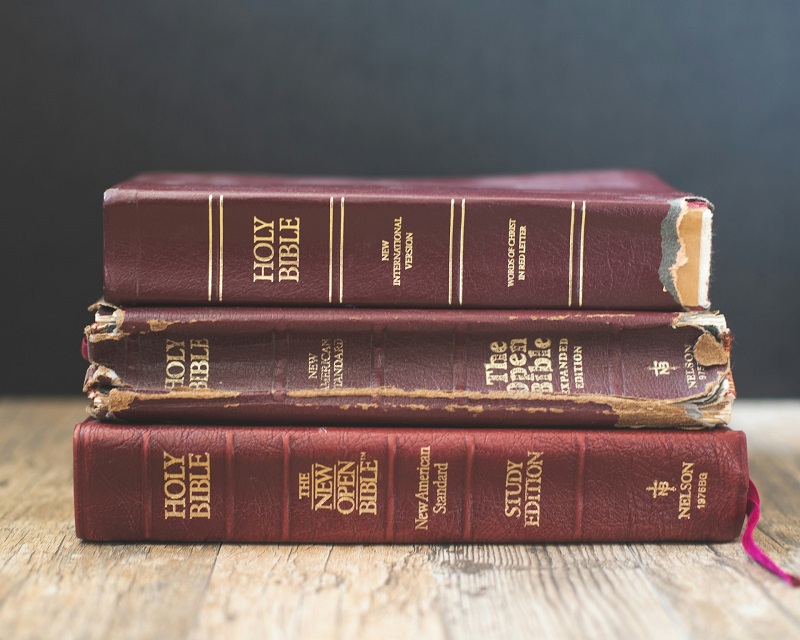
In Exodus 13, the focus shifts to the sanctification of the firstborn and the institution of the Feast of Unleavened Bread, highlighting pivotal themes of redemption and legacy.
God commands the Israelites to consecrate every firstborn male, symbolizing their deliverance from Egypt — a reminder of His mighty acts.
This request serves not merely as a ritualistic practice but as a profound declaration of faith, urging the Israelites to remember their identity as a chosen people.
The narrative also emphasizes the importance of teaching future generations.
God instructs parents to explain the significance of these customs, ensuring that the stories of divine intervention and freedom are passed down through the ages.
This emphasis on remembrance invites readers to reflect on what it means to honor one’s roots and the divine footprint in history, suggesting that personal and communal identity is deeply interwoven.
Thus, Exodus 13 is not merely a historical account; it’s an invitation to immerse oneself in the dialogue of faith, memory, and continuity within the unfolding story of God’s people.
✅ Exodus 13 Commentary (Key Verses)
Exodus 13 describes the consecration of the firstborn, the Feast of Unleavened Bread, and God leading Israel through the wilderness with the pillar of cloud and fire.
This chapter highlights remembrance, obedience, redemption, guidance, worship, and God’s faithful presence.
It reminds believers that God desires His people to remember His salvation and trust His guidance throughout life’s journey.
The Firstborn Belonged to God
“Sanctify to me all the firstborn, whatever opens the womb among the children of Israel, both of man and of animal. It is mine.” – Exodus 13:2 (WEB)
Commentary 1: God claimed the firstborn as a reminder of His deliverance during the final plague in Egypt. The firstborn symbolized dedication and gratitude to God for His salvation.
Commentary 2: Everything ultimately belongs to God because He is the giver of life and deliverance. Believers are reminded to dedicate their lives and blessings to God faithfully.
Remember the Day of Deliverance
“Remember this day, in which you came out from Egypt, out of the house of bondage.” – Exodus 13:3 (WEB)
Commentary 1: God instructed Israel never to forget their rescue from slavery in Egypt. Remembering His deliverance would strengthen faith and gratitude.
Commentary 2: Reflecting on God’s past faithfulness encourages trust during future challenges. Believers are reminded to continually remember and celebrate God’s saving work.
The Feast of Unleavened Bread
“Seven days you shall eat unleavened bread, and in the seventh day shall be a feast to God.” – Exodus 13:6 (WEB)
Commentary 1: The Feast of Unleavened Bread commemorated Israel’s hurried departure from Egypt and God’s deliverance. It became a lasting reminder of freedom and redemption.
Commentary 2: The feast encouraged the people to honor God through worship and remembrance. Believers are reminded to celebrate and remember God’s faithfulness regularly.
Teach Future Generations
“You shall tell your son in that day, saying, ‘It is because of that which God did for me when I came out of Egypt.’” – Exodus 13:8 (WEB)
Commentary 1: God wanted future generations to hear about His mighty acts and faithfulness. Parents were responsible for teaching their children about God’s works.
Commentary 2: Sharing testimonies of God’s faithfulness strengthens faith across generations. Believers are encouraged to teach and pass on spiritual truths faithfully.
The Feast Was a Sign and Reminder
“It shall be for a sign to you on your hand, and for a memorial between your eyes.” – Exodus 13:9 (WEB)
Commentary 1: God desired His deliverance to remain constantly in the hearts and minds of His people. Remembering His works would influence their thoughts and actions.
Commentary 2: Spiritual remembrance helps believers remain faithful and grateful. God’s goodness should shape daily life and worship.
The Redemption of the Firstborn
“Every firstborn of man among your sons you shall redeem.” – Exodus 13:13 (WEB)
Commentary 1: The redemption of the firstborn reminded Israel that God had spared their firstborn during the Passover. It symbolized God’s mercy and ownership over His people.
Commentary 2: Redemption points to God’s saving grace and deliverance. Believers are reminded that salvation comes through God’s mercy and faithfulness.
God Did Not Lead Them by the Shortest Route
“God didn’t lead them by the way of the land of the Philistines, although that was near.” – Exodus 13:17 (WEB)
Commentary 1: God led Israel through the wilderness rather than the shorter route because He knew what was best for them. His guidance considered their fears, weaknesses, and spiritual growth.
Commentary 2: God’s paths may not always seem easiest or quickest, but they are wise and purposeful. Believers are reminded to trust God’s direction even when it differs from their expectations.
God Led Israel by the Wilderness
“God led the people around by the way of the wilderness by the Red Sea.” – Exodus 13:18 (WEB)
Commentary 1: The wilderness journey became a place of dependence, growth, and preparation for Israel. God personally guided them step by step.
Commentary 2: Seasons of wilderness can develop faith and trust in God. Believers are reminded that God remains present and faithful during difficult journeys.
Moses Took Joseph’s Bones
“Moses took the bones of Joseph with him.” – Exodus 13:19 (WEB)
Commentary 1: Joseph’s bones symbolized faith in God’s promises to bring Israel back to the Promised Land. Moses honored Joseph’s request as an act of faithfulness.
Commentary 2: God’s promises remain trustworthy across generations. Believers are reminded that God faithfully fulfills His word in His perfect timing.
The Pillar of Cloud by Day
“God went before them by day in a pillar of cloud, to lead them on the way.” – Exodus 13:21 (WEB)
Commentary 1: The pillar of cloud visibly demonstrated God’s guidance and presence with Israel during the day. The people were never left alone on their journey.
Commentary 2: God faithfully leads His people through uncertainty and difficulty. Believers are encouraged to trust God’s guidance even when the path ahead is unclear.
The Pillar of Fire by Night
“And by night in a pillar of fire, to give them light.” – Exodus 13:21 (WEB)
Commentary 1: The pillar of fire provided light, protection, and reassurance during the darkness of night. God’s presence remained constant at all times.
Commentary 2: God’s guidance brings light and hope during dark or uncertain seasons. Believers are reminded that God never abandons His people.
God’s Presence Never Departed
“The pillar of cloud by day, and the pillar of fire by night, didn’t depart from before the people.” – Exodus 13:22 (WEB)
Commentary 1: God’s continual presence reassured Israel that He was leading and protecting them every step of the journey. His faithfulness never failed.
Commentary 2: God remains constantly present with His people today. Believers are encouraged to trust in His faithful guidance and care through every season of life.
✅ Exodus 13 Lessons & Takeaways
1. God wants His people to remember His salvation
God established memorials and feasts so Israel would never forget His deliverance from Egypt. Remembering God’s works strengthened faith and gratitude.
Believers today are reminded to reflect on God’s faithfulness and salvation regularly. Gratitude deepens worship and trust.
This lesson encourages remembrance and thanksgiving. God’s saving acts should never be forgotten.
2. God faithfully guides His people
The pillars of cloud and fire visibly led Israel through the wilderness. God personally directed their journey day and night.
Believers today are encouraged to trust God’s guidance even when life feels uncertain. He faithfully leads those who seek Him.
This truth inspires confidence and peace. God’s presence brings direction and security.
3. God’s plans are wiser than human expectations
God did not lead Israel by the shortest route because He knew what was best for them. His path protected and prepared the people.
Believers today are reminded that delays and detours may serve God’s greater purposes. His wisdom exceeds human understanding.
This lesson encourages patience and trust in God’s timing. His plans are always good and purposeful.
4. Faith should be passed on to future generations
God commanded Israel to teach their children about His deliverance and faithfulness. Spiritual truths were meant to continue from generation to generation.
Believers today are encouraged to share God’s truth and testimonies with others, especially younger generations. Teaching faith strengthens families and communities.
This truth inspires intentional spiritual leadership and discipleship. God’s works should be remembered and proclaimed.
5. God’s presence brings comfort and hope
The pillars of cloud and fire reminded Israel that God was always with them. His presence provided protection, guidance, and reassurance.
Believers today are reminded that God never abandons His people. His presence gives strength and peace during every challenge.
This lesson encourages faith and confidence in God’s continual care. He faithfully walks with His people through every season.
Exodus 13 Summary (Conclusion)
Exodus 13 describes the consecration of the firstborn, the Feast of Unleavened Bread, and God guiding Israel through the wilderness.
God commanded the Israelites to dedicate every firstborn to Him as a reminder of their deliverance from Egypt.
The people were also instructed to observe the Feast of Unleavened Bread as a memorial of God’s salvation.
Parents were to teach future generations about God’s mighty acts and faithfulness.
God redeemed the firstborn because He had spared Israel’s firstborn during the Passover.
Rather than leading Israel by the shortest route, God guided them through the wilderness for their protection and growth.
Moses carried Joseph’s bones as a sign of faith in God’s promises.
God led Israel with a pillar of cloud by day and a pillar of fire by night.
His presence remained continually with the people throughout their journey.
Exodus 13 emphasizes remembrance, redemption, obedience, trust, God’s guidance, and His faithful presence.
It reminds believers that God faithfully leads His people and desires them to remember His salvation and goodness.
Frequently Asked Questions (FAQs) About Exodus 13
1. What is Exodus 13 about?
Exodus 13 describes the consecration of the firstborn, the Feast of Unleavened Bread, and God guiding Israel through the wilderness.
2. Why did God claim the firstborn?
It reminded Israel that God had spared their firstborn during the Passover in Egypt.
3. Why did God lead Israel through the wilderness?
God chose a safer and more purposeful route to prepare and protect the people.
4. What did the pillar of cloud and fire represent?
They represented God’s presence, guidance, and protection for Israel.
5. What lesson does Exodus 13 teach today?
It teaches remembrance, trust, obedience, God’s guidance, and faithfulness.
Other Blog Posts

Grounded in faith and driven by purpose, I’m a Christian blogger and online research specialist with a passion for God’s Word, lifelong learning, and healthy living.