
What makes someone so powerful that others hesitate to challenge them, even when they appear completely at rest?
We often associate strength with constant action, but confidence and authority can sometimes be most evident when there is no need to fight.
In Genesis 49:9, Jacob compares Judah to a lion that has risen from its prey and settled down.
His striking description invites us to explore the significance of this imagery and its connection to Judah’s future.
Genesis 49:9 Meaning (What This Bible Verse Really Means)
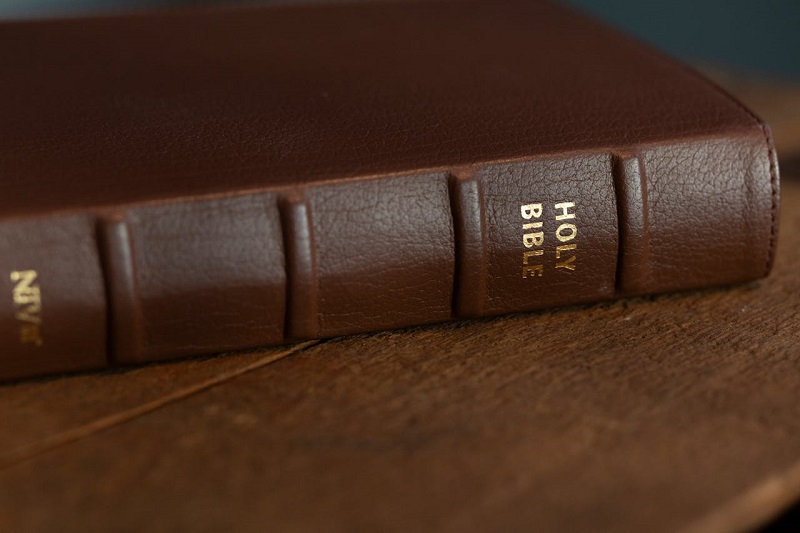
“Judah is a lion’s cub. From the prey, my son, you have gone up. He stooped down, he crouched as a lion, as a lioness. Who will rouse him up?” – Genesis 49:9 (WEB)
Genesis 49:9 describes Judah’s strength, victorious character, and future prominence through the powerful image of a lion that has overcome its prey and rests without fear of being disturbed.
The verse belongs to Jacob’s final blessing concerning Judah, recorded in Genesis 49:8-12.
As Jacob approaches the end of his life, he gathers his twelve sons and speaks about their character, their descendants, and the future associated with each family line.
When he addresses Judah, he uses the imagery of a lion to communicate strength and authority.
This comparison is significant because lions were recognized in the ancient world as powerful animals capable of overcoming their prey.
Their strength and commanding presence made them suitable symbols of courage, victory, and kingship.
Jacob’s description begins by calling Judah a lion’s cub.
He then speaks of Judah rising from prey before describing a lion crouching in a position of security.
The final question, “Who will rouse him up?” emphasizes the danger of challenging such a powerful animal.
Together, these expressions present Judah as someone whose strength commands respect.
However, the verse is not simply describing Judah’s physical abilities.
Its meaning extends beyond the personal life of Jacob’s son.
The blessing concerns the future of Judah’s descendants, who would eventually form one of the twelve tribes of Israel.
This becomes clearer when Genesis 49:9 is considered alongside the verses surrounding it.
Genesis 49:8 describes Judah’s brothers praising him and his hand being on the neck of his enemies.
The same verse states that his father’s sons will bow before him.
These statements introduce the themes of victory and leadership.
Genesis 49:9 develops those themes through the image of a lion.
The animal is first presented in connection with prey, suggesting successful conquest.
It is then described as resting in a position that others would hesitate to disturb.
The progression creates a picture of strength that has already demonstrated its power.
Judah is not portrayed merely as someone preparing for conflict.
The imagery also suggests the security that follows victory.
Genesis 49:10 continues the declaration by introducing the scepter and ruler’s staff, both symbols associated with kingship.
This connection helps explain why the lion imagery has traditionally been understood as royal.
The blessing anticipates a position of prominence for Judah’s descendants within the developing history of Israel.
The later biblical narrative provides an important connection through King David.
David belonged to the tribe of Judah and became one of Israel’s most significant kings.
His family established the royal dynasty associated with Jerusalem.
For Christians, the verse also has importance because the New Testament identifies Jesus Christ as the Lion of the tribe of Judah.
Revelation 5:5 uses this title in connection with Christ’s victory and His identity as the Root of David.
This does not mean that Genesis 49:9 explicitly describes every aspect of Jesus’ life or ministry.
Its immediate message concerns Judah’s anticipated strength and royal prominence.
Nevertheless, the later biblical identification of Christ with Judah’s royal line gives the passage particular significance within Christian interpretation.
The verse also illustrates how biblical poetry can communicate important ideas through animal imagery.
Jacob does not provide a detailed account of future battles or name the kings who will descend from Judah.
Instead, he uses a familiar image to portray the strength and authority associated with the tribe.
At its heart, Genesis 49:9 presents Judah as a lion-like figure whose victory, power, and security point toward the prominent future of his descendants.
The verse forms an important part of Jacob’s blessing and contributes to the biblical foundation for understanding Judah’s later association with kingship.
✅ Genesis 49:9 Explained (Breaking Down Each Part of the Verse)
“Judah is a lion’s cub”
The opening statement compares Judah to a young lion.
This is a deliberate image of strength and developing power.
A lion’s cub is not yet a fully mature lion, but it belongs to an animal known for its ability to hunt, defend itself, and command respect.
The comparison therefore suggests the presence of strength that can develop into greater prominence.
In the ancient Near East, lions were familiar symbols of power.
Their physical strength and ability to overcome other animals made them suitable images for rulers and warriors.
Biblical writers also used lions in different contexts to communicate courage, danger, judgment, and authority.
The meaning of the image depends upon the passage in which it appears.
In Genesis 49:9, the comparison is part of a favorable declaration concerning Judah’s future prominence.
Jacob has already described Judah’s victory over enemies in the preceding verse.
The lion imagery strengthens that description.
Judah is associated with an animal capable of overcoming opposition.
The reference to a cub is particularly interesting because it introduces the image before the verse describes a mature lion at rest.
This movement has sometimes been understood as suggesting the development of Judah’s strength.
The tribe begins as one family line among Jacob’s descendants but eventually becomes associated with significant leadership in Israel.
However, the verse does not explicitly identify particular stages in Judah’s history with the different stages of a lion’s life.
It is therefore important not to assign a separate historical event to every detail of the animal imagery.
The central comparison concerns strength and prominence.
Judah himself was the fourth son born to Leah.
He was not Jacob’s firstborn, yet the blessing associates him with leadership.
Genesis 49:8 states that his brothers will praise him and that his father’s sons will bow before him.
The image of a lion’s cub follows naturally from these statements.
It introduces a powerful symbol that develops the theme of authority.
The comparison also becomes significant when considered within the later history of Judah’s descendants.
The tribe of Judah eventually occupied an important place among the tribes of Israel.
David, who became king over Israel, belonged to this tribe.
His military victories and royal authority provide a historical example of the prominence associated with Judah’s family line.
Nevertheless, Genesis 49:9 does not name David directly.
The verse uses poetic imagery to describe the anticipated character of Judah’s future rather than identifying a particular individual.
The lion comparison also provides an important background for later Christian interpretation.
Revelation 5:5 refers to Jesus Christ as the Lion of the tribe of Judah.
The title connects Christ with the royal line associated with Judah and with the imagery of victorious strength.
Yet the two passages should be understood within their respective settings.
Genesis 49:9 is Jacob’s blessing concerning Judah.
Revelation 5:5 identifies Christ through a title that draws upon the broader biblical significance of Judah’s royal line.
The opening phrase therefore introduces an image whose importance extends through the later biblical narrative.
Judah is portrayed as a lion’s cub, a figure associated with strength and the prospect of royal prominence.
“From the prey, my son, you have gone up”
The second expression develops the lion imagery by describing movement away from prey.
The picture is that of a lion that has successfully overcome its victim.
The animal has completed the act of taking its prey and now rises or withdraws from it.
This image contributes to the theme of victory.
A lion is not being described as fleeing from danger or struggling unsuccessfully against an opponent.
Instead, the wording suggests that the animal has already prevailed.
The reference to prey is therefore important.
It provides the setting for understanding the lion’s strength.
The animal has demonstrated its ability to overcome what stood before it.
Within Jacob’s blessing, this imagery connects naturally with Genesis 49:8.
That verse describes Judah’s hand being on the neck of his enemies.
The expression communicates victory over opposition.
Genesis 49:9 continues the same idea through the image of a successful lion.
The two verses are closely related.
The first describes Judah’s victory directly, while the second communicates it through animal imagery.
The words “my son” also deserve attention.
Jacob is speaking as a father addressing Judah.
Although the blessing concerns future generations, the immediate scene remains a family gathering near the end of Jacob’s life.
The expression reminds readers that the declaration is being delivered personally to one of Jacob’s children.
This family setting is important because the future nation of Israel develops from the descendants of these sons.
Jacob’s words therefore connect personal family relationships with the larger history that will unfold afterward.
The movement away from prey has sometimes been interpreted as a picture of victory followed by exaltation.
The lion rises after overcoming its prey, suggesting that its strength has been demonstrated.
However, the verse does not identify a particular battle or conquest.
It does not state that Judah himself will defeat a named enemy.
The imagery is broader.
It portrays the victorious character associated with Judah’s anticipated future.
The later history of the tribe includes examples of military strength and leadership.
During the conquest and settlement of Canaan, Judah occupied a prominent position among the tribes.
The book of Judges also records Judah being identified for leadership in conflict.
Judges 1:1-2 describes the Israelites asking who should go up first against the Canaanites, and the LORD identifies Judah.
This later event provides an example of the tribe’s military prominence.
However, it should not be treated as the only possible fulfillment of Genesis 49:9.
The blessing’s imagery is not limited to one historical encounter.
The royal history associated with David also contributes to the broader picture.
David became known for military victories and the establishment of royal authority.
His descendants occupied an important place in Israel’s monarchy.
These developments help explain the continuing significance of Judah’s blessing.
For Christian readers, the image of victory can also be considered alongside the New Testament’s presentation of Jesus Christ.
Revelation 5:5 describes the Lion of the tribe of Judah as having overcome.
The passage presents Christ’s victory within a different theological setting.
The connection is meaningful, but Genesis 49:9 itself does not explicitly describe the crucifixion or resurrection.
Its immediate language concerns the strength and victorious character portrayed through the lion.
The phrase therefore reinforces the idea that Judah’s future will involve prominence associated with overcoming opposition.
“He stooped down, he crouched as a lion, as a lioness”
The third expression changes the position of the lion.
Instead of describing the animal rising from prey, Jacob now portrays it crouching or lying down.
This movement is significant because the lion’s resting position does not suggest helplessness.
A powerful animal can remain dangerous even when it is not actively hunting.
The image therefore communicates strength combined with security.
The lion has no apparent need to remain constantly in motion to demonstrate its power.
Its presence alone commands caution.
Jacob’s description emphasizes this quality through repeated language.
The lion stoops down and crouches.
The verse then compares the animal to both a lion and a lioness.
This repetition strengthens the picture of an animal resting in a position of confidence.
The reference to a lioness is also meaningful.
A lioness possesses considerable strength and is capable of hunting and defending her young.
The comparison therefore maintains the emphasis on power rather than introducing an image of weakness.
The Hebrew poetic structure uses related expressions to create a fuller description.
The lion’s posture is presented in more than one way, allowing the reader to imagine the animal settling into a secure position.
The image is not primarily concerned with sleep.
It concerns the confidence of an animal whose strength makes others reluctant to approach.
This interpretation becomes clearer through the question that follows.
Jacob asks who will rouse the lion.
The question implies that disturbing such an animal would be dangerous.
Consequently, the crouching position should not be understood as defeat or surrender.
It is a posture of security.
The imagery also complements the earlier reference to prey.
The lion has overcome its prey and now rests.
The movement from victory to rest creates a picture of established strength.
Within the larger blessing, this can be understood as contributing to Judah’s anticipated prominence.
The tribe is associated not only with the ability to overcome opposition but also with a position that commands respect.
The image of a lion resting securely appears elsewhere in biblical language.
Numbers 24:9, for example, describes Israel crouching and lying down like a lion and asks who will rouse him.
The similarity demonstrates that this type of imagery could be used to communicate strength and security.
The two passages are not identical in their immediate settings.
Genesis 49:9 concerns Judah, while Numbers 24:9 belongs to Balaam’s declaration concerning Israel.
Nevertheless, both employ the image of a lion whose resting position does not diminish its power.
This provides useful background for understanding Jacob’s words.
The lion’s security is not presented through walls, weapons, or visible defenses.
It is communicated through the animal’s own strength.
That strength makes others hesitant to interfere.
The image should not be interpreted as teaching that Judah’s descendants would never experience defeat.
The later history of the tribe includes periods of serious conflict and national judgment.
The poetic description portrays anticipated prominence rather than uninterrupted military success.
Its central significance lies in the combination of victory, strength, and security.
By describing Judah as a lion resting confidently, Jacob develops the royal character of the blessing before introducing the scepter in Genesis 49:10.
“Who will rouse him up?”
The final question brings the lion imagery to a powerful conclusion.
Jacob asks who would dare to disturb the resting animal.
The question is rhetorical.
It is not primarily seeking the identity of someone capable of waking a lion.
Instead, it emphasizes the danger associated with provoking such a powerful creature.
A lion at rest may appear calm, but its strength remains.
Anyone approaching carelessly could face serious consequences.
The question therefore reinforces the picture of authority and security established in the preceding phrases.
Judah is compared to an animal whose power is widely recognized.
The image suggests that opposition to such strength should not be undertaken lightly.
This is an important conclusion to the verse because it completes the progression from the lion’s cub to the victorious and resting animal.
The opening phrase introduces the lion comparison.
The reference to prey demonstrates victory.
The crouching position portrays security.
The final question emphasizes the respect that such strength commands.
Together, these details create a coherent description of power.
The wording also prepares for Genesis 49:10.
The following verse introduces the scepter and ruler’s staff.
These symbols are associated with royal authority.
The question about rousing the lion therefore stands immediately before a declaration concerning kingship.
This placement strengthens the connection between the lion imagery and the royal future associated with Judah.
In the ancient world, kings were often expected to defend their people and overcome enemies.
Strength and security were important aspects of royal power.
The image of a lion whose rest cannot easily be disturbed provides an appropriate poetic description of such authority.
However, the verse does not teach that every ruler descended from Judah would govern wisely or remain undefeated.
The later history of Judah’s monarchy includes both faithful and unfaithful kings.
Some rulers demonstrated courage and responsible leadership, while others contributed to serious national problems.
The rhetorical question should therefore be understood as part of the blessing’s idealized portrayal of strength.
It is not a guarantee that every historical king from Judah would be beyond challenge.
For Christians, the question also contributes to the background of the title used in Revelation 5:5.
Jesus Christ is identified there as the Lion of the tribe of Judah.
The New Testament presents His victory and authority as central to His identity.
Yet Revelation also develops the imagery in a distinctive way.
After the announcement concerning the Lion, John sees a Lamb standing as though it had been slain.
This combination of images connects Christ’s victory with His sacrificial death.
Genesis 49:9 does not explicitly describe that later revelation.
Its contribution lies in establishing the lion as an image associated with Judah’s strength and royal prominence.
The final question therefore completes Jacob’s description by emphasizing the formidable character of the lion.
Judah’s anticipated future is portrayed through strength that has overcome opposition and rests in a position commanding respect.
✅ Genesis 49:9 Context (Understanding the Verse in Its Setting)
Genesis 49:9 appears within the final declarations Jacob spoke to his sons before his death in Egypt.
The verse forms part of the blessing concerning Judah and uses the image of a lion to describe the strength and prominence associated with his descendants.
Its meaning becomes clearer when considered within the history of Jacob’s family and the larger biblical development of Judah’s royal significance.
The story begins with God’s call to Abraham.
In Genesis 12, God instructed Abraham to leave his homeland and travel to the land He would show him.
God promised to make him into a great nation and to bless him.
The promise also included the declaration that blessings would extend to the families of the earth through Abraham.
This established the background for the continuing history of Abraham’s descendants.
Abraham eventually became the father of Isaac.
Isaac later became the father of Esau and Jacob.
Although Jacob was the younger twin, he became the one through whom the covenant family line continued.
His life involved conflict, difficult relationships, and important encounters with God.
After leaving his family home, Jacob traveled to Paddan Aram.
There he worked for Laban and eventually married Leah and Rachel.
His household grew through the birth of children to Leah, Rachel, Bilhah, and Zilpah.
Judah was the fourth son born to Leah.
Genesis 29:35 records Leah expressing praise to the LORD at Judah’s birth.
She named him Judah, a name associated with praise.
This detail becomes particularly meaningful in Genesis 49:8, where Jacob declares that Judah’s brothers will praise him.
However, Judah’s earlier life was not characterized by consistent faithfulness.
The family experienced serious tensions, especially because Jacob showed particular affection toward Joseph.
Joseph’s brothers became jealous of him.
Their resentment increased after Joseph described dreams that appeared to suggest future prominence over his family.
Genesis 37 records the brothers plotting against Joseph.
Judah suggested that they sell Joseph to passing traders rather than kill him.
The brothers followed this course, and Joseph was taken to Egypt.
They then deceived their father into believing that Joseph had died.
This event caused considerable suffering within Jacob’s household.
Judah’s involvement demonstrates that he was not presented as a morally flawless individual.
Genesis 38 subsequently records difficult events involving Judah and Tamar.
The account reveals further problems concerning Judah’s conduct and family responsibilities.
These narratives provide an important contrast with the favorable blessing Judah later receives.
The biblical story does not conceal his earlier wrongdoing.
Nevertheless, the later account shows a significant development in his behavior.
Joseph eventually rose to a position of authority in Egypt after experiencing slavery and imprisonment.
Through his interpretation of Pharaoh’s dreams, he became responsible for preparing the country for a severe famine.
When the famine affected Canaan, Jacob sent his sons to Egypt to obtain food.
They encountered Joseph without recognizing him.
Joseph recognized his brothers and tested them through a series of difficult circumstances.
One of the most important moments occurred when Benjamin faced the possibility of remaining in Egypt as a servant.
Judah spoke on Benjamin’s behalf.
Genesis 44 records Judah explaining how Benjamin’s absence would devastate their father.
He then offered to remain as a servant in Benjamin’s place.
This willingness to accept responsibility stands in contrast to his earlier participation in selling Joseph.
The narrative presents Judah taking a leading role in protecting his brother and showing concern for his father.
Joseph eventually revealed his identity.
The family was reconciled, and Jacob was invited to move to Egypt.
Jacob traveled there with his household and was reunited with Joseph.
Genesis 47:28 records that Jacob lived in Egypt for seventeen years and reached the age of 147.
As his death approached, he began preparing his family for what would follow.
Genesis 48 describes Jacob blessing Joseph’s sons, Ephraim and Manasseh.
He gave them a significant place within the family and spoke concerning their anticipated future.
Genesis 49 then records Jacob gathering his twelve sons.
He announces that he will tell them what will happen to them in the days ahead.
The declarations that follow concern the individual sons and the descendants who will come from them.
Jacob begins with Reuben, his firstborn.
Reuben possessed the position traditionally associated with the eldest son.
However, Jacob declares that he will not retain preeminence because of his earlier misconduct.
The statement refers to Reuben’s violation of his father’s household, recorded in Genesis 35:22.
Simeon and Levi are addressed next.
Jacob condemns their violence and speaks of their descendants being divided and scattered in Israel.
These declarations establish that the future prominence of Jacob’s sons will not simply follow their birth order.
The patriarch’s words reflect their distinct histories and anticipated futures.
When Jacob turns to Judah, the character of the blessing changes.
Genesis 49:8 begins with the declaration that Judah’s brothers will praise him.
This statement is significant because Judah’s name is associated with praise.
Jacob then describes Judah’s hand being on the neck of his enemies.
The image communicates victory over opposition.
The verse concludes by saying that his father’s sons will bow before him.
This introduces the theme of authority among Jacob’s descendants.
Judah is portrayed as occupying a position of prominence within the family.
Genesis 49:9 develops this theme through the image of a lion.
Jacob begins by calling Judah a lion’s cub.
The comparison introduces strength and the prospect of greater power.
He then describes Judah rising from prey.
This suggests the successful action of a lion that has overcome its victim.
The image reinforces the preceding statement about victory over enemies.
Jacob next portrays the lion crouching or lying down.
The animal’s resting position does not indicate weakness.
Instead, it communicates the confidence of a powerful creature that others hesitate to disturb.
The final question asks who will rouse the lion.
This rhetorical question emphasizes the danger of provoking such strength.
The different parts of the verse therefore form a connected description.
Judah is associated with power, victory, and security.
The imagery also has a royal character.
Lions were suitable symbols of kingship because of their strength and commanding presence.
This connection becomes even clearer in Genesis 49:10.
The following verse introduces the scepter and ruler’s staff.
Both objects symbolize governing authority.
Jacob declares that the scepter will not depart from Judah and speaks of a ruler to whom the obedience of peoples will belong.
The movement from the lion imagery to the scepter is important.
Genesis 49:9 presents strength and authority through an animal comparison.
Genesis 49:10 expresses the royal theme more directly.
Together, the verses anticipate a significant future for Judah’s descendants.
At the time Jacob spoke these words, Israel did not yet possess a monarchy.
The twelve sons were members of a family living in Egypt.
Their descendants would later become the tribes of Israel.
The nation would experience slavery, deliverance, wilderness journeys, and settlement in Canaan before kingship emerged.
This historical distance demonstrates that Jacob’s blessing concerns developments extending beyond Judah’s personal lifetime.
The book of Exodus records the descendants of Jacob multiplying in Egypt.
After their deliverance, the Israelites traveled through the wilderness under Moses.
They eventually entered the land of Canaan.
The book of Joshua describes the distribution of tribal territories.
Judah received an extensive inheritance in the southern part of the land.
Joshua 15 records the boundaries and settlements associated with this territory.
The tribe’s prominence also appears during the period of the judges.
Judges 1:1-2 records the Israelites asking who should go up first against the Canaanites.
The LORD identifies Judah.
This event provides an example of the tribe being given a leading role in conflict.
However, Genesis 49:9 should not be limited to that particular event.
The lion imagery is broader than a prediction of one military campaign.
It contributes to the larger portrayal of Judah’s anticipated strength.
The emergence of Israel’s monarchy provides another important development.
First Samuel records the appointment of Saul as Israel’s first king.
Saul belonged to the tribe of Benjamin rather than Judah.
After Saul, David became king.
David was from the tribe of Judah.
His ancestry is traced through Jesse, and the genealogy in Ruth 4:18-22 connects his family line with Perez, one of Judah’s sons.
This establishes a direct connection between Judah and the later royal house of David.
David’s life included significant military victories.
He became known for defeating Goliath before eventually rising to kingship.
His reign involved conflict with enemies and the establishment of Jerusalem as an important political center.
These developments provide historical examples of the strength and royal prominence associated with Judah’s descendants.
Nevertheless, Genesis 49:9 does not explicitly identify David as the lion.
The verse belongs to a much earlier declaration and uses imagery that can encompass the broader future of the tribe.
David’s reign is important because it demonstrates the emergence of royal authority from Judah.
In 2 Samuel 7, God made a covenant with David concerning his house and kingdom.
The covenant included promises about the future of David’s royal line.
This gave the Davidic dynasty particular significance within Israel’s history.
David’s son Solomon succeeded him.
After Solomon’s death, the kingdom divided.
The northern kingdom retained the name Israel, while the southern kingdom became known as Judah.
The Davidic dynasty continued to rule in Jerusalem for generations.
However, the history of the kingdom was not characterized by uninterrupted victory or security.
The biblical accounts describe periods of political conflict, idolatry, injustice, and national decline.
Eventually, the Babylonian conquest of Jerusalem brought the kingdom to a devastating crisis.
The city was destroyed, and many inhabitants were taken into exile.
These events demonstrate why the lion imagery should not be interpreted as a guarantee that Judah’s descendants would never experience defeat.
Jacob’s blessing presents an idealized picture of strength and prominence.
The later history of the tribe includes both remarkable achievements and serious failures.
Nevertheless, the expectation associated with Judah’s royal line continued within the biblical prophetic tradition.
Isaiah 11:1 speaks of a shoot coming from the stump of Jesse.
Jesse was David’s father.
The image suggests the emergence of a future ruler from the family line associated with David.
Jeremiah 23:5 also describes a righteous Branch raised up for David.
The passage speaks of a king who will reign wisely and execute justice and righteousness.
These prophetic texts develop the expectation of future kingship associated with Judah’s descendants.
The New Testament presents Jesus Christ within this larger royal tradition.
Matthew 1 traces Jesus’ genealogy through Abraham, Judah, and David.
The genealogy establishes His connection with the family line associated with the promises given to the patriarchs and the royal dynasty of Israel.
Luke 1:32-33 records the angel announcing that Jesus will receive the throne of His father David.
The passage also states that His kingdom will have no end.
This language connects Jesus with the royal expectations associated with David’s family.
Hebrews 7:14 explicitly identifies Jesus as a descendant of Judah.
Revelation 5:5 then uses a title that directly recalls the lion imagery.
The verse describes Jesus as the Lion of the tribe of Judah and the Root of David.
This is one of the clearest New Testament connections with the imagery of Genesis 49:9.
The title associates Christ with the royal line of Judah and emphasizes His victory.
However, Revelation develops the imagery in a distinctive way.
After hearing about the Lion who has overcome, John sees a Lamb standing as though it had been slain.
The passage brings together the themes of victory and sacrificial death.
This is significant because the New Testament presents Christ’s triumph in a way that differs from ordinary expectations of military conquest.
His victory is connected with His sacrificial work.
Genesis 49:9 does not explicitly describe this later theological development.
Its immediate imagery concerns the strength and royal prominence associated with Judah.
Nevertheless, the New Testament’s use of the title “Lion of the tribe of Judah” demonstrates the continuing significance of Jacob’s blessing within Christian interpretation.
The wider passage also includes agricultural imagery.
After the declaration concerning the scepter in Genesis 49:10, Jacob speaks of a donkey tied to a vine and garments washed in wine.
Genesis 49:12 continues with references to wine and milk.
These images communicate abundance and fruitfulness.
The blessing therefore combines several themes.
Judah is associated with victory, strength, royal authority, and prosperity.
Genesis 49:9 contributes specifically to the picture of victorious power and security.
After completing the blessing concerning Judah, Jacob continues speaking to his remaining sons.
Zebulun, Issachar, Dan, Gad, Asher, Naphtali, Joseph, and Benjamin receive distinct declarations.
Genesis 49:28 eventually summarizes the entire address as the blessings given to the twelve tribes of Israel.
Jacob then provides instructions concerning his burial in Canaan.
Genesis 49:33 records his death.
The narrative continues in Genesis 50 with Joseph arranging for his father’s burial.
Within this larger setting, Genesis 49:9 occupies an important place.
It connects Judah’s personal blessing with the future prominence of his descendants.
The verse also prepares for the explicit royal language of Genesis 49:10.
Its lion imagery provides a memorable expression of strength that later becomes associated with the royal house of David and, within Christian theology, Jesus Christ.
Genesis 49:9 therefore contributes to the biblical development of Judah’s identity as a tribe associated with leadership and kingship.
The passage is best understood as poetic prophecy rather than a literal description of an animal or a prediction of one specific battle.
Its central message concerns the victorious strength and commanding authority portrayed in Jacob’s blessing of Judah.
✅ Genesis 49:9 Lessons (What We Can Learn From This Verse)
1. Strength becomes especially meaningful when it is exercised with responsibility
Genesis 49:9 compares Judah to a lion, an animal recognized for its strength and ability to overcome opposition.
The image emphasizes power, but the wider biblical narrative also raises important questions about how strength should be used.
Judah’s own history demonstrates that influence and leadership can be exercised in different ways.
Earlier in his life, he participated in the decision to sell Joseph into slavery.
Later, he showed a willingness to protect Benjamin by offering himself as a servant in his brother’s place.
These events reveal a significant contrast in his conduct.
The same individual who once contributed to his brother’s suffering later accepted personal responsibility to protect another brother.
For Christians, this provides a useful reminder that strength is not valuable merely because it enables someone to exercise power.
The way that power is used matters.
Physical ability, influence, authority, and personal confidence can become harmful when separated from responsibility.
The New Testament repeatedly encourages believers to consider the needs of others.
Philippians 2:3-4, for example, teaches Christians to act with humility and to look beyond their own interests.
Although Genesis 49:9 does not directly provide instructions about Christian leadership, the broader history of Judah encourages reflection on responsible strength.
Believers can learn that genuine maturity involves using whatever influence they possess with wisdom and concern for others.
2. Victory should not be confused with permanent freedom from hardship
The lion imagery in Genesis 49:9 presents Judah as victorious and secure.
The animal rises from prey and rests in a position that others hesitate to disturb.
This creates a powerful picture of success.
However, the later history of Judah demonstrates that the tribe did not experience uninterrupted victory.
Its descendants faced warfare, political instability, national judgment, and exile.
The royal house associated with David also experienced serious difficulties.
These events remind readers that poetic descriptions of strength should not automatically be interpreted as promises of constant comfort.
The blessing concerns Judah’s anticipated prominence within the larger biblical story.
It does not state that every descendant will avoid suffering.
For Christians, this provides an important perspective on success and difficulty.
A period of victory does not guarantee that future challenges will disappear.
Likewise, the experience of hardship does not necessarily mean that every earlier blessing or opportunity has lost its significance.
The New Testament acknowledges that believers may encounter trials.
James 1:2-4 encourages Christians to recognize the role of perseverance in spiritual maturity.
Genesis 49:9 should not be used as a promise that faithful people will always defeat their opponents.
Its imagery can instead encourage thoughtful reflection on strength while recognizing that human experience often includes both success and adversity.
3. God’s purposes can develop through people with imperfect histories
Judah’s earlier conduct was far from flawless.
He participated in the events that resulted in Joseph being sold into slavery.
Genesis 38 also records serious problems involving his family responsibilities.
Nevertheless, Jacob’s blessing associates Judah’s descendants with future prominence.
This contrast is significant.
The biblical narrative does not present Judah as a person whose past contained no wrongdoing.
Instead, it records his failures alongside later developments in his character and the future associated with his family line.
Christians can learn that human weakness and past mistakes do not automatically place someone beyond the possibility of meaningful change.
However, this should not be understood as minimizing wrongdoing.
Judah’s earlier actions caused real suffering.
The consequences of harmful choices remain important even when later events reveal growth or new responsibilities.
The account also demonstrates the importance of taking responsibility.
Judah’s willingness to offer himself in Benjamin’s place provides evidence of a different attitude from the one displayed in the earlier account involving Joseph.
For believers, this encourages honest recognition of past failures and a commitment to more responsible conduct.
Genesis 49:9 specifically concerns Judah’s future strength and prominence.
When considered alongside his wider story, it also provides an opportunity to reflect on the complexity of human character and the possibility of change.
4. Jesus Christ’s victory is central to the Christian understanding of the Lion of Judah
The lion imagery of Genesis 49:9 has particular significance for Christians because of its connection with Revelation 5:5.
That New Testament passage identifies Jesus as the Lion of the tribe of Judah.
The title draws upon the royal identity associated with Judah’s descendants.
It also emphasizes Christ’s victory.
However, Revelation presents this victory through an important combination of images.
John hears about the Lion who has overcome, but he then sees a Lamb standing as though it had been slain.
The imagery connects victory with sacrifice.
This is a distinctive feature of the New Testament’s presentation of Jesus.
His triumph is not described merely through military strength or political conquest.
It is closely connected with His sacrificial death and the work of redemption.
For Christians, this provides a deeper understanding of the significance of Christ’s kingship.
The New Testament presents Jesus as possessing authority while also demonstrating humility and self-giving love.
His victory therefore challenges ordinary assumptions that power must always be expressed through domination.
Genesis 49:9 does not explicitly explain these New Testament teachings.
Nevertheless, its lion imagery contributes to the biblical background of the title used for Christ.
Believers can reflect on the relationship between divine authority, sacrifice, and victory as these themes develop throughout Scripture.
5. Confidence should be grounded in wisdom rather than unnecessary aggression
One of the most striking features of Genesis 49:9 is the image of the lion at rest.
The animal has demonstrated its strength and now crouches in a position of security.
It does not need to remain constantly engaged in conflict to communicate its power.
The final question emphasizes that others would hesitate to disturb it.
This provides a useful image for considering the relationship between confidence and aggression.
Strength does not always require an outward display of hostility.
A person may possess genuine ability or influence without constantly attempting to prove superiority over others.
The Bible frequently distinguishes wisdom from uncontrolled anger.
Proverbs 16:32, for example, describes patience and self-control as qualities of great value.
The verse places the ability to govern one’s spirit alongside, and even above, the achievement of military conquest.
This teaching provides an important balance when reflecting on the lion imagery.
Genesis 49:9 is not directly instructing Christians about emotional self-control.
Its primary purpose is to describe Judah’s anticipated strength.
However, the image of a powerful animal resting securely can encourage reflection on the difference between confidence and needless confrontation.
Christians can learn to value patience, restraint, and responsible conduct rather than assuming that strength must always be demonstrated through conflict.
Genesis 49:9 Meaning (Conclusion)
The Genesis 49:9 meaning centers on the strength, victory, and royal prominence associated with Judah’s descendants through the image of a powerful lion.
Jacob describes Judah as a lion’s cub, speaks of him rising from prey, and portrays him crouching in a position of security.
The verse concludes with a rhetorical question emphasizing the danger of disturbing such a formidable animal.
These images work together to communicate a picture of strength that commands respect.
The opening comparison introduces Judah as a lion’s cub.
This associates him with an animal recognized for power and the ability to overcome opposition.
The reference to prey then develops the theme of victory.
The lion is pictured as having successfully overcome its victim.
It is not described as struggling unsuccessfully or fleeing from danger.
Instead, the imagery presents strength that has already been demonstrated.
The following description of the lion crouching adds another important dimension.
The animal rests without appearing vulnerable.
Its security comes from the power it possesses.
The final question, “Who will rouse him up?” reinforces this impression by emphasizing the danger of provoking the resting lion.
Together, the expressions portray Judah as a figure associated with victorious power and commanding authority.
However, Genesis 49:9 is not merely a description of Judah’s personal strength.
The verse belongs to Jacob’s final declarations concerning the future of his sons and their descendants.
Its significance therefore extends to the tribe that will come from Judah.
This becomes particularly clear when the surrounding verses are considered.
Genesis 49:8 describes Judah’s brothers praising him and his enemies being overcome.
The same verse speaks of his father’s sons bowing before him.
These statements introduce the themes of victory and leadership.
Genesis 49:9 develops those ideas through the image of a lion.
Genesis 49:10 then introduces the scepter and ruler’s staff, making the royal character of the blessing more explicit.
The progression is important.
Judah is first associated with prominence among his brothers.
He is then compared to a powerful lion.
Finally, the blessing speaks directly about royal authority.
The lion imagery therefore forms part of a larger declaration concerning Judah’s anticipated future.
The later history of Israel provides an important connection.
Judah’s descendants became one of the twelve tribes of Israel.
The tribe eventually occupied a prominent position, particularly through the emergence of David’s royal dynasty.
David belonged to the tribe of Judah and became king over Israel.
His family established the royal line associated with Jerusalem.
This historical development helps explain the significance of the leadership and kingship imagery in Jacob’s blessing.
Nevertheless, Genesis 49:9 should not be interpreted as a guarantee that Judah’s descendants would never experience defeat.
The tribe’s later history included serious conflicts, political difficulties, and national judgment.
The Babylonian conquest of Jerusalem demonstrates that the kingdom associated with Judah was not permanently protected from hardship.
The verse presents an idealized poetic description of strength rather than a promise of uninterrupted military success.
For Christians, Genesis 49:9 also carries significance because of the New Testament’s identification of Jesus Christ as the Lion of the tribe of Judah.
Revelation 5:5 uses this title in connection with Christ’s victory and His identity as the Root of David.
The title reflects the royal significance associated with Judah’s family line.
It also connects the earlier imagery of strength with the New Testament’s presentation of Jesus as the victorious Messiah.
However, Genesis 49:9 itself does not explicitly describe the details of Christ’s earthly ministry, crucifixion, or resurrection.
Those developments belong to the fuller biblical revelation found in later Scripture.
The immediate message of Jacob’s blessing concerns the strength and prominence anticipated for Judah’s descendants.
Recognizing this distinction allows readers to appreciate both the original setting and the broader Christian interpretation.
The verse also demonstrates the expressive power of biblical poetry.
Rather than providing a detailed historical prediction, Jacob uses a familiar animal image to communicate important ideas.
The lion’s strength, successful hunt, secure resting position, and formidable presence all contribute to the description.
Each element reinforces the central theme of power and authority.
For Christians, the passage can encourage reflection on responsible strength, the importance of wisdom, and the relationship between victory and humility.
Judah’s wider history also demonstrates that personal failures and later responsibilities can exist within the same life.
The biblical narrative does not conceal his wrongdoing, yet his descendants receive a prominent place in Israel’s history.
This provides a reminder that the unfolding purposes of God often involve people whose lives are complicated and imperfect.
At its heart, Genesis 49:9 presents Judah through the image of a victorious lion whose strength commands respect.
The verse contributes to a larger blessing that anticipates leadership and royal prominence among Judah’s descendants.
Its importance becomes increasingly clear through the later history of David’s royal line and the New Testament’s identification of Jesus Christ as the Lion of Judah.
Genesis 49:9 therefore stands as a significant poetic declaration concerning strength, victory, security, and the royal future associated with Judah’s family line.
Frequently Asked Questions About Genesis 49:9
What does Genesis 49:9 mean?
Genesis 49:9 compares Judah to a lion to describe strength, victory, security, and future prominence. The image of a lion rising from prey suggests successful conquest, while the crouching lion communicates confidence and power. The verse forms part of Jacob’s blessing concerning the royal significance associated with Judah’s descendants.
What is the context of Genesis 49:9?
Genesis 49:9 appears within Jacob’s final blessing concerning Judah in Genesis 49:8-12. Jacob is speaking to his twelve sons shortly before his death in Egypt. The surrounding verses describe Judah through images of victory, leadership, royal authority, and agricultural abundance.
Why is Judah compared to a lion in Genesis 49:9?
Judah is compared to a lion because the animal represents strength, victorious power, and authority. The comparison develops the preceding declaration that Judah will overcome his enemies and receive prominence among his brothers. The imagery also prepares for the royal language of Genesis 49:10.
What does “Judah is a lion’s cub” mean?
The expression introduces Judah through the image of a young lion, an animal associated with developing strength and power. It contributes to the larger portrayal of Judah’s future prominence. The verse does not explicitly identify particular stages of Judah’s history with the different stages of a lion’s development.
What does “From the prey, my son, you have gone up” mean?
The phrase portrays a lion rising or withdrawing after overcoming its prey. It communicates successful victory rather than defeat. Within Jacob’s blessing, the image reinforces the theme of Judah’s strength and ability to overcome opposition.
What does the crouching lion symbolize in Genesis 49:9?
The crouching lion represents strength combined with security. Although the animal is resting, it remains powerful and dangerous to disturb. The image suggests a position of confidence and authority rather than weakness or surrender.
What does “Who will rouse him up?” mean?
The question emphasizes the danger of disturbing a powerful lion. It is rhetorical rather than a request for information. Within the blessing, it reinforces the idea that Judah’s anticipated strength and authority will command respect.
Is Genesis 49:9 a prophecy about Jesus Christ?
Many Christians understand Genesis 49:9 as part of the larger messianic significance associated with Judah’s blessing. Revelation 5:5 identifies Jesus as the Lion of the tribe of Judah. However, Genesis 49:9 itself does not explicitly name Jesus or describe the details of His earthly ministry.
Why is Jesus called the Lion of the tribe of Judah?
Jesus is called the Lion of the tribe of Judah because He belongs to Judah’s family line and is presented in the New Testament as the victorious Messiah. Revelation 5:5 uses this title while also identifying Him as the Root of David. The expression draws upon the royal and victorious imagery associated with Judah.
How does Genesis 49:9 relate to Genesis 49:8?
Genesis 49:8 describes Judah’s brothers praising him and his victory over enemies. Genesis 49:9 develops these themes through the image of a lion that has overcome its prey and rests securely. The two verses form a connected description of strength and prominence.
How does Genesis 49:9 connect with Genesis 49:10?
Genesis 49:9 portrays Judah through the image of a powerful lion, while Genesis 49:10 introduces the scepter and ruler’s staff as symbols of kingship. Together, the verses associate Judah’s descendants with strength, leadership, and royal authority.
Does Genesis 49:9 mean Judah would never be defeated?
No. The verse uses poetic imagery to describe Judah’s anticipated strength and prominence. The later history of the tribe includes periods of warfare, political decline, and exile. The blessing should not be interpreted as guaranteeing uninterrupted victory for every generation of Judah’s descendants.
What is the significance of the lioness in Genesis 49:9?
The reference to a lioness reinforces the image of strength and security. A lioness is a powerful animal capable of hunting and defending her young. The comparison contributes to the poetic description of Judah as a formidable figure whose resting position does not diminish his power.
How was Genesis 49:9 connected with King David?
David belonged to the tribe of Judah and became king over Israel. His military victories and the establishment of his royal dynasty provide important historical connections with the strength and leadership portrayed in Judah’s blessing. However, Genesis 49:9 does not explicitly name David or limit its imagery to his reign.
What can Christians learn from Genesis 49:9?
Christians can learn about the importance of responsible strength, wisdom, humility, and careful interpretation of biblical imagery. The verse also provides background for understanding the royal significance of Judah and the New Testament’s identification of Jesus Christ as the Lion of the tribe of Judah.
Other Blog Posts

Grounded in faith and driven by purpose, I’m a Christian blogger and online research specialist with a passion for God’s Word, lifelong learning, and healthy living.