
Being treated fairly matters deeply to us, especially when we feel overlooked or believe our voices are not being heard.
Whether in a family, workplace, or community, having someone who can make fair judgments can bring a sense of security and belonging.
In Genesis 49:16, Jacob speaks about Dan’s role in judging his people as one of Israel’s tribes.
His words invite us to consider the responsibility being described and what it meant for Dan’s descendants.
Genesis 49:16 Meaning (What This Bible Verse Really Means)
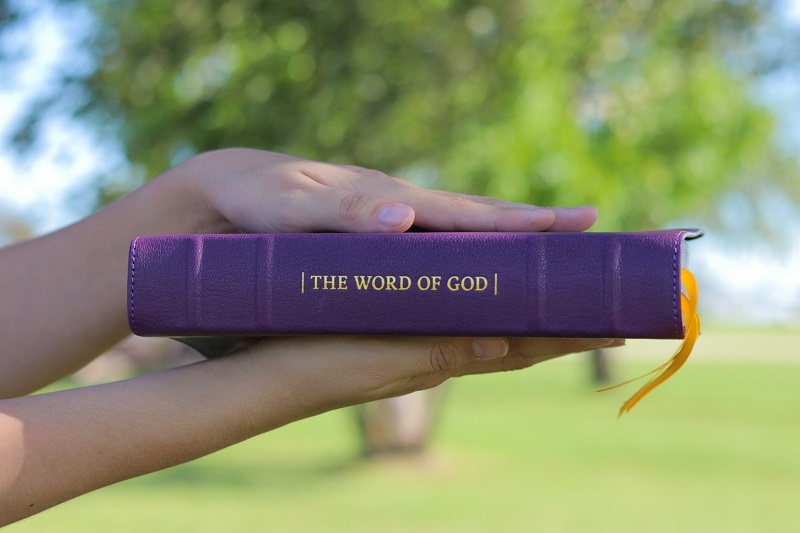
“Dan will judge his people, as one of the tribes of Israel.” – Genesis 49:16 (WEB)
Genesis 49:16 describes the future role of Dan and his descendants within the nation of Israel, emphasizing their recognized place among the twelve tribes and their association with judgment.
The verse forms part of Jacob’s final declarations concerning his sons before he died in Egypt.
As Jacob speaks about the different characteristics and anticipated futures of his descendants, he identifies Dan as someone who will judge his people.
This statement is especially meaningful because the name Dan itself is associated with judgment.
When Dan was born, Rachel explained his name by referring to God’s judgment on her behalf.
Many years later, Jacob uses similar language when speaking about the future of Dan’s descendants.
The connection between Dan’s name and the words of Genesis 49:16 is an important part of the verse’s meaning.
Jacob is not merely making a general observation about justice.
He is speaking about a particular son whose name already carries an association with judgment.
The blessing therefore contains a deliberate connection between Dan’s identity and the role attributed to his descendants.
The second part of the verse is equally important.
Jacob says that Dan will judge his people “as one of the tribes of Israel.”
This identifies Dan as a recognized member of the larger family that will eventually become the nation of Israel.
Dan was born to Bilhah, Rachel’s servant, rather than directly to Leah or Rachel.
Nevertheless, he was one of Jacob’s twelve sons.
His descendants would become one of Israel’s twelve tribes, with their own identity and responsibilities.
Jacob’s declaration recognizes this place within the nation.
The verse does not suggest that Dan would become the supreme ruler over all the tribes.
Neither does it state that his descendants would establish the royal dynasty of Israel.
Instead, it presents Dan as a tribe associated with judgment while remaining one of the tribes that make up the larger nation.
The meaning of the word “judge” also requires careful consideration.
In the Old Testament, judging can involve deciding disputes, administering justice, exercising leadership, or delivering people from oppression.
The exact sense depends on the context.
In Genesis 49:16, the statement is brief and does not explain precisely how Dan’s judging role would be expressed.
Later biblical history provides one important connection.
Samson, one of Israel’s judges, came from the tribe of Dan.
His story appears in Judges 13-16.
Samson’s role as a judge offers a possible historical illustration of Jacob’s declaration.
However, Genesis 49:16 does not explicitly name Samson or state that the verse refers exclusively to him.
The blessing may therefore have a broader significance concerning Dan’s place and function within Israel.
The following verse also contributes to the picture.
Genesis 49:17 compares Dan to a serpent along a path that bites a horse’s heels and causes its rider to fall backward.
This imagery suggests unexpected strength and the ability to affect a more powerful opponent.
Together, Genesis 49:16-17 presents Dan as a tribe associated with judgment and a distinctive capacity for forceful action.
At its heart, Genesis 49:16 recognizes Dan’s place among Israel’s tribes and describes him through language connected with judgment.
The verse reminds readers that the different descendants of Jacob would occupy distinct roles within the nation, even though they shared a common ancestry and belonged to the same covenant family.
✅ Genesis 49:16 Explained (Breaking Down Each Part of the Verse)
“Dan will judge his people”
The opening statement identifies judgment as the central characteristic associated with Dan.
Jacob declares that Dan will judge his people.
This wording is significant because it closely relates to the meaning of Dan’s name.
Dan’s birth is recorded in Genesis 30:1-6.
At that point in the narrative, Rachel has not yet given birth to a child of her own.
She is distressed by her inability to conceive, particularly because her sister Leah has already borne children to Jacob.
Rachel gives her servant Bilhah to Jacob so that she may have children through her.
Bilhah subsequently gives birth to a son.
Rachel names him Dan.
In Genesis 30:6, Rachel explains that God has judged her and heard her voice.
The name Dan is therefore connected with the Hebrew idea of judging.
This background helps explain Jacob’s choice of words in Genesis 49:16.
The declaration contains a wordplay between Dan’s name and the action of judging.
Such wordplay appears elsewhere in Jacob’s final blessings.
The names and characteristics of his sons sometimes contribute to the language used in their respective declarations.
In Dan’s case, the connection is particularly direct.
Jacob describes the future of Dan through the very concept associated with his name.
However, the meaning of “judge” should not be restricted to one modern understanding of the word.
Today, a judge is commonly understood as a person who presides over legal proceedings and makes decisions in a court.
In ancient Israel, judging could involve a wider range of responsibilities.
Judges could settle disputes, provide leadership, defend the community, or deliver people from enemies.
The book of Judges demonstrates this broader use of the term.
Its central figures were not merely courtroom officials.
Many served as leaders or deliverers during periods of oppression and conflict.
This wider biblical usage helps readers understand the possible significance of Jacob’s declaration.
Dan’s descendants would be associated with a role involving judgment or leadership among their people.
Nevertheless, the verse does not describe a particular judicial institution that the tribe would establish.
It also does not identify the precise responsibilities that every descendant of Dan would perform.
The statement is a poetic declaration concerning the tribe’s anticipated future.
One of the most frequently discussed connections is Samson.
Judges 13:2 identifies Manoah, Samson’s father, as a man from the tribe of Dan.
Samson later becomes one of Israel’s judges.
Judges 15:20 records that he judged Israel for twenty years during the days of the Philistines.
This provides a notable example of a Danite fulfilling a role described by the language of judgment.
However, the connection should be interpreted carefully.
Genesis 49:16 does not explicitly predict Samson by name.
Neither does it say that Dan’s judging role would be fulfilled through only one individual.
Samson’s life can therefore be understood as a significant illustration of the blessing without requiring the entire verse to refer exclusively to him.
The opening statement ultimately presents Dan as a tribe with a recognized role involving judgment within Israel.
“as one of the tribes of Israel”
The second phrase places Dan’s role within the larger community of Israel.
Jacob declares that Dan will judge his people as one of Israel’s tribes.
This wording is important because Dan was one of twelve sons born into a complicated family structure.
Jacob’s children were born through four women.
Leah and Rachel were his wives, while Bilhah and Zilpah were their servants.
Dan was the first son born to Bilhah.
His birth occurred because Rachel, who had not yet conceived, gave Bilhah to Jacob.
Despite these circumstances, Dan became one of Jacob’s recognized sons.
His descendants would eventually form one of the twelve tribes of Israel.
The phrase “as one of the tribes of Israel” emphasizes this recognized position.
Dan is not presented as an outsider to the nation.
He belongs among the family lines through which Israel will develop.
This is especially meaningful because Jacob’s declarations in Genesis 49 concern the future of the entire family.
The sons have different mothers, different experiences, and different anticipated circumstances.
Yet they are collectively identified as the ancestors of Israel’s tribes.
Genesis 49:28 confirms this by summarizing the sons as the twelve tribes of Israel.
Dan therefore shares in the national identity of the descendants of Jacob.
The phrase also helps clarify the scope of his judging role.
Jacob does not say that Dan will replace the other tribes or rule over them as a king.
He identifies Dan as one of the tribes.
This suggests a place within the larger community rather than an exclusive position above it.
The statement should therefore not be interpreted as assigning the future monarchy to Dan.
Elsewhere in Genesis 49, Judah receives a declaration involving a scepter and royal authority.
Dan’s blessing uses different language.
Its emphasis is judgment and tribal identity.
The distinction matters because different kinds of leadership appear throughout Israel’s history.
Judges, tribal leaders, elders, priests, and kings could exercise different responsibilities.
Genesis 49:16 does not combine all these roles into one office.
It simply associates Dan with judgment while recognizing his position among the tribes.
The phrase also anticipates the development of Jacob’s household into a nation.
At the time of the blessing, the family is living in Egypt.
The tribes have not yet received their territorial inheritances in Canaan.
Their later organization and responsibilities remain part of the future.
Jacob’s words therefore look beyond Dan as an individual.
They concern the family line that will descend from him.
The second phrase completes the blessing by placing Dan’s anticipated role within the shared identity of Israel.
✅ Genesis 49:16 Context (Understanding the Verse in Its Setting)
Genesis 49:16 appears during Jacob’s final address to his twelve sons, shortly before his death in Egypt.
The chapter records a series of declarations concerning the sons and the tribes that would eventually descend from them.
Jacob’s words include references to earlier conduct, descriptions of distinctive characteristics, and statements concerning future circumstances.
The declaration concerning Dan focuses on judgment and his recognized place among Israel’s tribes.
Understanding the verse requires attention to Dan’s birth, Jacob’s family history, and the later development of the tribe.
The larger story begins with God’s promises to Abraham.
In Genesis 12, God calls Abraham and promises to make him into a great nation.
The promise includes descendants, a land, and blessings connected with God’s purposes for Abraham’s family.
Abraham eventually becomes the father of Isaac.
Isaac later becomes the father of Esau and Jacob.
Jacob’s life is marked by family tensions and significant encounters with God.
After leaving his home because of conflict with Esau, he travels to the household of Laban.
There, Jacob works for many years and marries Leah and Rachel.
His household begins to grow as children are born.
However, the relationships within the family are complicated by rivalry between Leah and Rachel.
Leah gives birth to several sons while Rachel initially remains unable to conceive.
Rachel becomes distressed by her circumstances.
Genesis 30 records her decision to give Bilhah, her servant, to Jacob.
Bilhah gives birth to Dan.
Rachel names him in connection with her belief that God has judged her and heard her voice.
This naming account provides the background for the language used in Genesis 49:16.
Dan’s name is closely associated with judgment from the beginning of his story.
Bilhah later gives birth to Naphtali, Dan’s brother.
As Jacob’s family continues growing, the twelve sons who will become the ancestors of Israel’s tribes are eventually born.
After many years with Laban, Jacob returns toward Canaan.
His journey includes a significant encounter with God.
Genesis 32 records Jacob wrestling through the night and receiving the name Israel.
This name becomes central to the identity of his descendants.
The family later experiences serious difficulties.
Jacob shows particular affection toward Joseph, one of Rachel’s sons.
This favoritism contributes to resentment among Joseph’s brothers.
Their hostility eventually leads them to sell Joseph into slavery.
Jacob is deceived into believing that Joseph has died.
Joseph is taken to Egypt, where he experiences slavery and imprisonment.
His circumstances eventually change when he interprets Pharaoh’s dreams.
Joseph explains that Egypt will experience seven years of abundance followed by seven years of severe famine.
Pharaoh appoints him to oversee preparations for the crisis.
When the famine reaches Canaan, Jacob sends his sons to Egypt to purchase food.
Their journeys eventually lead to a reunion with Joseph.
Joseph reveals his identity to his brothers and arranges for the family to settle in Egypt.
Jacob therefore spends his final years in the land where Joseph has become an important ruler.
Genesis 47:28 records that Jacob lived in Egypt for seventeen years and reached the age of 147.
As his death approaches, he begins making arrangements concerning his family.
Genesis 48 describes Jacob blessing Joseph’s two sons, Ephraim and Manasseh.
He gives them a significant place among his descendants.
Genesis 49 then records Jacob gathering his twelve sons.
He announces that he will tell them what will happen in the days ahead.
The declarations begin with Reuben.
Although Reuben is Jacob’s firstborn, his earlier misconduct affects the words spoken concerning him.
Simeon and Levi are addressed together.
Jacob condemns their violence and speaks of their descendants being divided and scattered.
Judah receives a prominent declaration involving praise, leadership, and royal imagery.
Zebulun is associated with the coast and ships.
Issachar is compared to a strong donkey.
Jacob then turns to Dan.
Genesis 49:16 declares that Dan will judge his people as one of the tribes of Israel.
This statement is distinctive because it connects directly with the meaning of Dan’s name.
It also recognizes Dan’s position within the larger family that will become the nation.
The following verse develops the declaration through animal imagery.
Genesis 49:17 compares Dan to a serpent along a trail.
The serpent bites a horse’s heels, causing its rider to fall backward.
This description suggests an ability to affect a stronger opponent through an unexpected attack.
Together, Genesis 49:16-17 presents Dan through the themes of judgment and tactical effectiveness.
Immediately afterward, Genesis 49:18 records Jacob expressing his expectation of Yahweh’s salvation.
The statement interrupts the sequence of tribal declarations with a brief prayer.
Some interpreters connect it with the preceding imagery concerning Dan.
Others understand it as a broader expression of Jacob’s dependence on God.
The passage does not explicitly explain why the prayer appears at this point.
Jacob then continues with the remaining sons.
Gad is described as facing attacks from hostile forces but responding against his attackers.
Asher receives a blessing involving rich food and royal delicacies.
Naphtali is compared to a doe set free.
Joseph receives an extended blessing concerning fruitfulness, opposition, strength, and God’s help.
Benjamin is compared to a ravenous wolf.
Genesis 49:28 summarizes the declarations by identifying Jacob’s sons as the twelve tribes of Israel.
This confirms that the blessings concern more than the personal circumstances of the individual sons.
They also anticipate the development of their descendants into distinct tribes.
The later history of Dan provides important background for understanding Genesis 49:16.
After the Israelites leave Egypt, the tribe of Dan becomes one of the organized groups within the nation.
Numbers 1:38-39 records the census of Dan’s men eligible for military service.
The tribe is counted alongside the other tribes of Israel.
Numbers 2:25-31 describes Dan’s position within the arrangement of the Israelite camp.
Dan leads one of the major camp divisions during the wilderness journey.
This demonstrates that the tribe occupied a recognized place within Israel’s organization.
After the Israelites enter Canaan, Dan receives a territorial inheritance.
Joshua 19:40-48 describes the land allotted to the tribe.
Its original territory lies in a region associated with the central coastal plain and nearby areas.
However, the tribe experiences difficulties establishing control over its inheritance.
Judges 1:34 records that the Amorites forced the descendants of Dan into the hill country and prevented them from coming down into the valley.
This indicates that Dan’s later history included military challenges and territorial limitations.
The tribe did not enjoy uninterrupted success.
Judges 18 records another significant development.
The Danites send men to search for additional territory.
They eventually identify Laish as a place they intend to capture.
An armed group from Dan attacks the city, destroys it, and rebuilds it under the name Dan.
The chapter also records the tribe’s involvement in improper worship through the establishment of an idol.
These events demonstrate that Dan’s history involved both military action and serious religious failure.
However, the most notable connection with Genesis 49:16 appears in the story of Samson.
Judges 13 introduces Samson’s family.
His father, Manoah, is identified as a man from the tribe of Dan.
Samson is therefore a descendant of Dan.
The narrative describes his birth being announced by the angel of Yahweh.
Samson is set apart as a Nazirite from birth.
He is also identified as someone who will begin to deliver Israel from the Philistines.
The Philistines were oppressing Israel during this period.
Samson’s life is recorded in Judges 13-16.
He becomes known for extraordinary physical strength and unusual confrontations with the Philistines.
His actions include killing a lion, defeating Philistine opponents, and destroying the temple of Dagon at the end of his life.
Yet his story also contains personal failures and serious consequences.
Samson’s role as a judge is explicitly stated in the biblical record.
Judges 15:20 says that he judged Israel for twenty years during the days of the Philistines.
Judges 16:31 repeats that he had judged Israel for twenty years.
These statements create a clear historical connection between the tribe of Dan and the role of judging.
Because Samson was a Danite, many readers understand his judgeship as an important illustration of Jacob’s declaration.
Nevertheless, Genesis 49:16 does not explicitly mention Samson.
It does not state that Dan’s role in judgment would be fulfilled only through him.
The connection is therefore meaningful without requiring the verse to be interpreted as a detailed prediction of Samson’s life.
The broader meaning of judgment in Israel also deserves attention.
The book of Judges describes a period before the establishment of Israel’s monarchy.
During this time, different leaders arose to deliver Israel from oppression and exercise authority among the people.
These leaders did not all perform identical functions.
Some were primarily associated with military deliverance.
Others exercised leadership or settled disputes.
Deborah, for example, is described in Judges 4 as judging Israel while people came to her for decisions.
Samson’s role differs considerably from Deborah’s.
His story focuses largely on conflict with the Philistines.
This variety demonstrates why the word “judge” should not be limited to one narrow activity.
Genesis 49:16 does not specify the precise form of judgment associated with Dan.
The later account of Samson provides one significant example of how the term could apply to a descendant of the tribe.
Another relevant passage appears in Deuteronomy 33:22.
There, Moses gives a separate blessing concerning Dan.
He describes Dan as a lion’s cub that leaps from Bashan.
This imagery differs from Jacob’s declaration.
Moses emphasizes an animal associated with strength and movement, while Genesis 49:16 focuses on judgment.
Genesis 49:17 adds the image of a serpent.
These different descriptions contribute to the broader biblical portrayal of Dan without requiring every image to carry the same meaning.
Dan also appears in later accounts of Israel’s religious history.
First Kings 12 records Jeroboam establishing golden calves at Bethel and Dan.
This development becomes an important example of improper worship in the northern kingdom.
The location of Dan therefore acquires significance in the history of Israel’s religious unfaithfulness.
However, Genesis 49:16 does not explicitly predict Jeroboam’s actions.
Its immediate emphasis remains Dan’s recognized role among the tribes.
The later history of Dan illustrates the complexity of the tribe’s experiences.
Its descendants occupied an established place within Israel.
They experienced military difficulties, participated in significant events, and became associated with both a judge and episodes of religious wrongdoing.
These developments should not be reduced to a single interpretation of Jacob’s blessing.
Genesis 49:16 is a concise declaration concerning Dan’s anticipated role.
It connects the meaning of his name with judgment and identifies him as one of Israel’s tribes.
Within the larger context of Genesis 49, the verse contributes to the picture of Jacob’s family developing into a nation with distinct tribal identities and responsibilities.
✅ Genesis 49:16 Lessons (What We Can Learn From This Verse)
1. Every member of a community can have a meaningful role
Genesis 49:16 recognizes Dan as one of the tribes of Israel.
Although Dan was born to Bilhah rather than directly to Leah or Rachel, he remained one of Jacob’s twelve sons.
His descendants became an established tribe within the nation.
Jacob’s declaration therefore acknowledges Dan’s place in the larger family.
This provides a useful lesson about the importance of recognizing different members of a community.
People may come from different backgrounds and have different experiences.
They may also possess different abilities and responsibilities.
Nevertheless, these differences do not automatically determine whether their contributions are valuable.
Within the Christian community, Scripture emphasizes the importance of different members working together.
First Corinthians 12 describes the church as a body composed of many members.
Each member has a distinct function, but all belong to the same body.
Although Genesis 49:16 concerns ancient Israel rather than the church, it can encourage Christians to appreciate the contributions of people whose circumstances differ from their own.
The verse reminds readers that Dan’s place among the tribes was recognized within the larger identity of Israel.
2. Leadership carries responsibilities beyond personal recognition
Jacob declares that Dan will judge his people.
The language of judgment suggests a role involving authority or leadership.
In ancient Israel, judging could include settling disputes, providing direction, or delivering people from oppression.
These responsibilities concerned the well-being of others.
They were not simply opportunities for personal prominence.
This provides an important lesson about the purpose of leadership.
A position of authority should be understood as a responsibility rather than merely a source of status.
Those who exercise leadership make decisions that can affect other people.
Their actions may influence relationships, security, fairness, and the direction of a community.
Christians are encouraged to approach leadership with humility and concern for others.
Mark 10:42-45 records Jesus teaching that greatness among His followers should be expressed through service.
This principle belongs to the New Testament, but it provides a valuable perspective when reflecting on the responsibilities associated with judgment.
Genesis 49:16 does not describe the precise duties Dan’s descendants would perform.
Nevertheless, the language of judging reminds readers that authority has consequences for the people affected by it.
3. Justice should be pursued with fairness and integrity
The central word in Genesis 49:16 is “judge.”
Judgment involves making decisions that affect others.
In the biblical understanding of justice, such decisions should not be governed by favoritism, dishonesty, or personal advantage.
The Old Testament repeatedly emphasizes the importance of fairness.
Leviticus 19:15 instructs Israel not to act unjustly in judgment or show partiality based on a person’s circumstances.
Deuteronomy 16:18-20 also emphasizes righteous judgment and the pursuit of justice.
These passages provide important moral principles for understanding the responsibilities associated with judging.
However, Genesis 49:16 itself does not explicitly evaluate the quality of Dan’s future judgments.
It declares that Dan will judge his people.
The broader biblical teaching helps explain what responsible judgment should involve.
Christians can apply this principle when making decisions in families, workplaces, churches, and other communities.
Fairness requires considering facts carefully rather than allowing prejudice or personal preference to determine the outcome.
The verse can therefore encourage reflection on the importance of justice, while the wider Scriptures provide the ethical standards by which judgment should be exercised.
4. A person’s abilities do not eliminate the need for moral faithfulness
The later history of Dan includes the life of Samson.
Samson was a judge from the tribe of Dan and possessed extraordinary physical strength.
His actions against the Philistines demonstrated remarkable ability.
However, his story also includes serious personal failures.
His decisions brought painful consequences into his life.
This contrast provides an important lesson.
Possessing unusual abilities or occupying a recognized position does not automatically mean that every personal decision is wise or righteous.
A person may be capable of accomplishing significant things while still struggling with serious weaknesses.
Christians should therefore avoid measuring faithfulness solely by visible achievements.
The Bible emphasizes character, obedience, and integrity alongside the responsible use of abilities.
Galatians 5:22-23 describes qualities such as love, patience, kindness, faithfulness, gentleness, and self-control.
These characteristics remain important regardless of a person’s position or accomplishments.
Genesis 49:16 does not directly discuss Samson’s failures.
Nevertheless, the later history of Dan illustrates why a role involving leadership or judgment should be accompanied by moral responsibility.
5. God’s purposes can extend beyond an individual’s lifetime
Jacob speaks the words of Genesis 49:16 near the end of his life.
He addresses Dan personally, but the declaration concerns the future of his descendants.
The tribe of Dan will develop long after Jacob’s death.
Its members will participate in Israel’s wilderness journey, receive a territorial inheritance, and experience significant events during the period of the judges.
Samson’s role as a judge occurs generations after the original blessing.
This demonstrates how the biblical narrative connects individual lives with developments involving later generations.
God’s promises to Abraham, Isaac, and Jacob also unfold across many years.
The patriarchs do not personally witness every stage of their fulfillment.
Nevertheless, their family history becomes part of a larger account extending beyond their own lifetimes.
For Christians, this provides a useful perspective on patience and responsibility.
The consequences of present actions may influence people who come afterward.
Faithful instruction, wise decisions, and responsible service can have effects beyond what an individual immediately observes.
However, Genesis 49:16 should not be treated as a guarantee that every person’s descendants will occupy positions of leadership.
Its original meaning concerns Dan’s place within Israel.
The broader lesson is that the biblical story frequently shows God’s purposes unfolding across generations rather than being completed within one lifetime.
Genesis 49:16 Meaning (Conclusion)
The Genesis 49:16 meaning centers on Jacob’s declaration that Dan will judge his people as one of the tribes of Israel.
The verse connects Dan’s name with the idea of judgment and recognizes his place within the nation that will emerge from Jacob’s descendants.
The opening statement is particularly significant because Dan’s name is associated with judging.
Genesis 30 records Rachel naming Dan after expressing her belief that God had judged her and heard her voice.
Jacob’s later declaration uses the same central idea.
This creates a meaningful connection between Dan’s birth and the anticipated role of his descendants.
The word “judge” can carry several related meanings in the Old Testament.
It may refer to deciding disputes, exercising leadership, or delivering people from oppression.
Genesis 49:16 does not explain precisely which activities Jacob has in mind.
Its language is brief and should not be expanded beyond what the passage supports.
Nevertheless, the verse clearly associates Dan with judgment.
The second phrase emphasizes that Dan will occupy this role as one of Israel’s tribes.
This recognizes his position within the larger family.
Dan was born to Bilhah, Rachel’s servant, but he remained one of Jacob’s twelve sons.
His descendants would become an established tribe within the nation.
The blessing therefore concerns both his distinctive role and his shared identity with the other tribes.
The later history of Dan provides an important connection with the language of judgment.
Samson, one of Israel’s judges, came from the tribe of Dan.
Judges 15:20 and Judges 16:31 record that he judged Israel for twenty years.
This makes Samson a significant example of a Danite associated with the role described in Genesis 49:16.
However, the verse does not explicitly name Samson.
It should therefore not be restricted to a prediction concerning his life alone.
The wider history of Dan includes territorial struggles, military activity, and religious failures.
These events demonstrate that the tribe’s experiences were complex.
Its recognized place within Israel did not mean that every action of its descendants would be faithful or successful.
Genesis 49:17 also adds to the description by comparing Dan to a serpent that brings down a horse’s rider.
This imagery suggests unexpected strength and tactical effectiveness.
Together, the two verses portray Dan through the themes of judgment and forceful action.
Yet the immediate meaning of Genesis 49:16 remains focused on his role among the tribes.
For Christians, the passage provides opportunities to reflect on leadership, justice, community responsibility, and the importance of moral integrity.
It also reminds readers that different people can occupy different roles within a larger community.
However, these applications should remain connected to the original historical setting.
Genesis 49:16 is not a universal promise that every believer will become a judge or leader.
Neither does it establish Dan as the royal tribe of Israel.
It is a declaration concerning one of Jacob’s sons and the descendants who would come from him.
Ultimately, Genesis 49:16 recognizes Dan as a tribe associated with judgment and confirms his place within the developing nation of Israel.
The verse contributes to the broader message of Genesis 49 by showing that Jacob’s twelve sons received distinct declarations while remaining members of the same family.
Their descendants would eventually form the tribes through which the history of Israel would continue.
Frequently Asked Questions About Genesis 49:16
What does Genesis 49:16 mean?
Genesis 49:16 means that Jacob declares Dan will judge his people as one of the tribes of Israel. The statement connects with the meaning of Dan’s name and anticipates a role associated with judgment or leadership among his descendants.
What is the context of Genesis 49:16?
Genesis 49:16 appears during Jacob’s final declarations concerning his twelve sons before his death in Egypt. The verse introduces the blessing concerning Dan. The following verse compares Dan to a serpent that bites a horse’s heels and causes its rider to fall backward.
Who was Dan in the Bible?
Dan was one of Jacob’s twelve sons and the first son born to Bilhah, Rachel’s servant. His birth is recorded in Genesis 30:1-6. His descendants became the tribe of Dan, one of the twelve tribes of Israel.
What does the name Dan mean?
The name Dan is associated with judgment or judging. In Genesis 30:6, Rachel explains the name by saying that God has judged her and heard her voice. This meaning is reflected in Genesis 49:16, where Jacob declares that Dan will judge his people.
What does “Dan will judge his people” mean?
The expression associates Dan and his descendants with judgment or leadership. In ancient Israel, judging could involve settling disputes, exercising authority, or delivering people from oppression. The verse does not specify the exact form this role would take.
Why does Genesis 49:16 say “as one of the tribes of Israel”?
The phrase recognizes Dan’s place among the tribes descended from Jacob. Although Dan was born to Bilhah rather than directly to Leah or Rachel, he was one of Jacob’s twelve sons. His descendants would become an established tribe within Israel.
Does Genesis 49:16 refer to Samson?
Samson is an important possible illustration of Genesis 49:16 because he belonged to the tribe of Dan and served as one of Israel’s judges. Judges 15:20 records that he judged Israel for twenty years. However, Genesis 49:16 does not explicitly name Samson or limit its meaning to him.
Was Samson from the tribe of Dan?
Yes. Judges 13:2 identifies Samson’s father, Manoah, as a man from the tribe of Dan. Samson therefore belonged to Dan’s descendants and later became one of Israel’s judges during the period of Philistine oppression.
What does judging mean in the Old Testament?
Judging can refer to deciding disputes, administering justice, exercising leadership, or delivering people from oppression. The book of Judges demonstrates that Israel’s judges performed different responsibilities. The precise meaning depends on the historical and literary context of each passage.
Did the tribe of Dan become the royal tribe of Israel?
No. Genesis 49:16 does not assign the monarchy to Dan. The verse associates Dan with judgment while recognizing his place among the tribes. Jacob’s declaration concerning Judah in Genesis 49:8-12 contains the more prominent imagery associated with royal authority.
How does Genesis 49:16 relate to Genesis 49:17?
Genesis 49:16 declares that Dan will judge his people, while Genesis 49:17 compares him to a serpent capable of bringing down a horse’s rider. Together, the verses describe Dan through the themes of judgment and unexpected strength. The second verse develops the blessing through animal imagery.
What happened to the tribe of Dan?
The tribe of Dan received a territorial inheritance in Canaan but experienced difficulties controlling its original territory. Judges 18 records the tribe capturing Laish and establishing a settlement there. Dan was also the tribe from which Samson, one of Israel’s judges, came.
What did Moses say about Dan?
In Deuteronomy 33:22, Moses describes Dan as a lion’s cub that leaps from Bashan. This is a separate blessing from Jacob’s words in Genesis 49:16. Moses uses animal imagery associated with strength, while Jacob’s statement emphasizes judgment.
What can Christians learn from Genesis 49:16?
Christians can learn about the importance of justice, responsible leadership, and recognizing the different roles people occupy within a community. The verse also encourages careful Bible interpretation by showing how a person’s name, family history, and later descendants can contribute to understanding a biblical declaration.
Does Genesis 49:16 promise that Christians will become leaders?
No. Genesis 49:16 is a declaration concerning Dan and his descendants within Jacob’s final blessings. It does not establish a universal promise that every Christian will become a judge or occupy a position of authority. Its immediate meaning concerns Dan’s anticipated role among the tribes of Israel.
Other Blog Posts

Grounded in faith and driven by purpose, I’m a Christian blogger and online research specialist with a passion for God’s Word, lifelong learning, and healthy living.