
Imagine a set of laws that confront the complexities of human nature and societal justice — this is precisely what Deuteronomy 21 offers.
In our Deuteronomy 21 summary, we will dive into its unique statutes on topics from family dynamics to war and criminal justice.
The relevance of these ancient laws can serve as a moral compass in today’s diverse and code-laden society.
Join us as we uncover the profound wisdom embedded in this chapter that can shape your understanding of ethics today.
Deuteronomy 21 Summary (Explained)
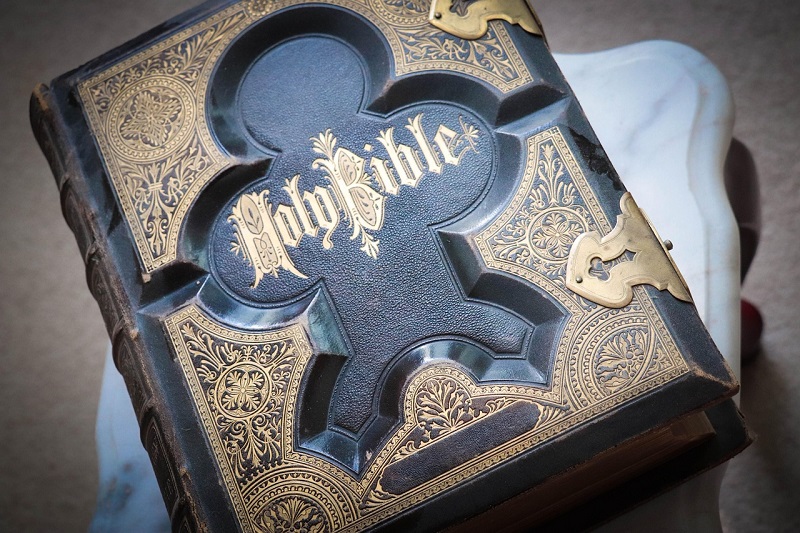
Deuteronomy 21 contains a variety of laws focused on justice, mercy, family responsibility, and the value of human life within Israel’s covenant community.
The chapter addresses difficult and sensitive situations, including unsolved murders, treatment of female captives, inheritance rights, rebellious children, and the handling of executed criminals.
Although the laws may seem unrelated at first glance, they reveal God’s concern for fairness, accountability, dignity, and order among His people.
What stands out in Deuteronomy 21 is the repeated emphasis on justice balanced with compassion.
The chapter shows that God cared deeply about protecting the innocent, preserving family integrity, and preventing abuse of authority.
Even in situations involving discipline or punishment, there were limits and procedures meant to prevent injustice and cruelty.
Furthermore, the chapter illustrates how covenant life involved both personal responsibility and communal accountability.
In essence, Deuteronomy 21 teaches that God values justice, human dignity, family order, and moral responsibility in every area of life.
✅ Deuteronomy 21 Commentary (Key Verses)
Deuteronomy 21 contains laws about justice, family order, inheritance, compassion, and responsibility within Israel.
This chapter highlights God’s concern for fairness, accountability, mercy, and the protection of both individuals and the community.
It reminds believers that God values justice and calls His people to act with wisdom, compassion, and integrity.
Justice for an Unsolved Murder
“If someone is found slain in the land which God your God gives you to possess, lying in the field, and it isn’t known who has struck him…” – Deuteronomy 21:1 (WEB)
Commentary 1: This passage shows that human life mattered deeply to God. Even when the murderer was unknown, the community was required to address the matter seriously rather than ignore it.
Commentary 2: The law emphasized communal responsibility for justice and purity in the land. Believers are reminded that wrongdoing should never be treated casually or overlooked.
The Elders Seek Atonement
“The elders of that city shall answer and say, ‘Our hands have not shed this blood, neither have our eyes seen it.’” – Deuteronomy 21:7 (WEB)
Commentary 1: The elders publicly declared innocence while seeking cleansing from guilt connected to the unresolved crime. This shows the importance of accountability before God.
Commentary 2: The ceremony reflected a desire for justice and mercy together. Believers are reminded that communities should pursue righteousness and healing rather than silence or neglect.
God Removes Bloodguilt
“So you shall put away the innocent blood from among you, when you shall do that which is right in God’s eyes.” – Deuteronomy 21:9 (WEB)
Commentary 1: This verse emphasizes that justice matters to God. Israel was responsible for dealing with wrongdoing in ways that honored God’s standards.
Commentary 2: Believers today are reminded that obedience includes standing for justice and protecting innocent life. God desires truth and righteousness within communities.
Treatment of Female Captives
“When you go out to battle against your enemies, and God your God delivers them into your hands…” – Deuteronomy 21:10 (WEB)
Commentary 1: This section introduced protections for female captives in a time when many surrounding nations treated them harshly. God’s law established boundaries that guarded against abuse and exploitation.
Commentary 2: Even within difficult wartime situations, God required dignity and compassion. Believers are reminded that all people bear value and should be treated with respect.
Respect and Dignity for a Captive Woman
“She shall remain in your house, and mourn her father and her mother a full month…” – Deuteronomy 21:13 (WEB)
Commentary 1: The mourning period acknowledged grief and human dignity. Rather than immediate exploitation, there was space for sorrow and adjustment.
Commentary 2: This law showed restraint and compassion within Israel’s legal system. Believers are reminded that mercy should accompany authority and power.
The Rights of the Firstborn Son
“He shall acknowledge the firstborn, the son of the unloved, by giving him a double portion of all that he has…” – Deuteronomy 21:17 (WEB)
Commentary 1: This law protected inheritance rights from favoritism. A father could not ignore justice simply because of personal preference.
Commentary 2: God values fairness and integrity within family relationships. Believers are encouraged to avoid favoritism and act with wisdom and honesty.
The Rebellious Son
“If a man has a stubborn and rebellious son who will not obey the voice of his father or the voice of his mother…” – Deuteronomy 21:18 (WEB)
Commentary 1: This difficult passage addressed persistent rebellion that threatened family and community stability. It referred to serious, ongoing defiance rather than ordinary childhood mistakes.
Commentary 2: The law highlights the importance of honoring authority and maintaining order. Believers are reminded that rebellion against wisdom can bring painful consequences.
Removing Evil from the Community
“So you shall remove the evil from among you. All Israel shall hear, and fear.” – Deuteronomy 21:21 (WEB)
Commentary 1: This repeated phrase emphasized the need for holiness and accountability in Israel. Sin was not to be ignored when it harmed the community.
Commentary 2: Believers today are reminded that unchecked wrongdoing damages relationships and trust. God calls His people to pursue holiness with wisdom and humility.
A Person Hung on a Tree
“His body shall not remain all night on the tree, but you shall surely bury him the same day…” – Deuteronomy 21:23 (WEB)
Commentary 1: Even after punishment, the law required dignity in burial and care for the land. Justice was not meant to become cruelty or dishonor.
Commentary 2: This verse later gained deeper meaning in Scripture regarding sacrifice and redemption. Believers are reminded that God’s justice and mercy ultimately meet in His greater plan.
✅ Deuteronomy 21 Lessons & Takeaways
1. Human life matters deeply to God
Deuteronomy 21 begins with instructions concerning an unsolved murder. Even when the offender was unknown, God required action because innocent life mattered.
Believers today are reminded that every human life has value. God cares about justice and does not ignore wrongdoing.
This lesson encourages believers to value life, pursue justice, and protect the vulnerable.
2. Justice should be paired with compassion
The chapter contains laws that balanced accountability with mercy. Whether addressing murder, captives, or punishment, limits were placed to prevent cruelty.
Believers today are reminded that justice without compassion can become harsh, while compassion without justice can become disorder.
This truth encourages wisdom and balance. God desires both righteousness and mercy.
3. Favoritism leads to injustice
The law concerning inheritance protected the firstborn son even when family relationships were complicated. Personal feelings could not override fairness.
Believers today are reminded to avoid favoritism in families, workplaces, and relationships.
This lesson encourages integrity. God values fairness and honest treatment of others.
4. Family order matters
The passage concerning the rebellious son emphasized the seriousness of persistent disobedience and destructive behavior.
Believers today are reminded that discipline and guidance are important within families. Respect for authority contributes to healthy relationships and stability.
This truth encourages wisdom, accountability, and responsibility.
5. God values dignity even in difficult situations
The laws regarding female captives and executed criminals showed that people were still to be treated with dignity.
Believers today are reminded that every person carries worth and should not be dehumanized.
This lesson encourages compassion, restraint, and respectful treatment of others.
6. Communities share responsibility for righteousness
The elders were required to respond to unresolved injustice in the land. The community was not allowed to ignore wrongdoing.
Believers today are reminded that they should care about justice in society and seek peace, truth, and healing.
This truth encourages active responsibility rather than indifference.
7. Obedience protects communities
The laws in Deuteronomy 21 were meant to preserve order, justice, and peace within Israel.
Believers today are reminded that God’s instructions are given for protection and flourishing, not harm.
This lesson encourages trust in God’s wisdom. His ways lead to healthier relationships and stronger communities.
Deuteronomy 21 Summary (Conclusion)
Deuteronomy 21 contains laws concerning justice, family responsibility, compassion, and moral order within Israel.
The chapter begins with instructions for dealing with unsolved murder so that innocent blood would not remain on the land.
The elders were required to seek cleansing and acknowledge the seriousness of justice before God.
The chapter also includes laws regarding female captives, emphasizing dignity and restraint.
Inheritance rights for the firstborn son were protected to prevent favoritism and unfair treatment.
Deuteronomy 21 also addresses persistent rebellion within the family and the importance of accountability.
The chapter closes with laws concerning the respectful burial of an executed criminal.
Overall, Deuteronomy 21 teaches that God values justice, fairness, dignity, family order, and responsibility.
It reminds believers that obedience to God’s wisdom creates healthier communities and relationships.
Frequently Asked Questions (FAQs) About Deuteronomy 21
1. What is Deuteronomy 21 about?
Deuteronomy 21 is about justice, inheritance, family order, compassion, and responsibility within Israel’s covenant community.
2. Why was an unsolved murder addressed in Deuteronomy 21?
God required the community to take responsibility for justice and seek cleansing so innocent blood would not remain upon the land.
3. What does Deuteronomy 21 teach about favoritism?
It teaches that inheritance rights should be handled fairly and not based on personal preference or favoritism.
4. Why does Deuteronomy 21 mention a rebellious son?
The law addressed persistent rebellion that threatened family and community order, showing the seriousness of accountability.
5. What is the main lesson of Deuteronomy 21?
The main lesson is that God values justice, dignity, fairness, compassion, and responsibility in every area of life.
Other Blog Posts

Grounded in faith and driven by purpose, I’m a Christian blogger and online research specialist with a passion for God’s Word, lifelong learning, and healthy living.